South Africa vs India Match Scorecard: Full Match Report and Analysis

The rivalry between the South Africa national cricket team and the India national cricket team has produced some of the most exciting moments in international cricket. Both teams have established themselves as major competitors across Test matches, One Day Internationals (ODIs) and Twenty20 Internationals (T20Is). Their encounters are known for competitive batting, quality fast bowling, tactical decisions and individual performances that can change the direction of a match.
Cricket enthusiasts searching for the south africa national cricket team vs india national cricket team match scorecard generally want more than the final result. They want to understand how each team performed, which batters contributed the most runs, how bowlers controlled the game and which partnerships influenced the outcome. A complete scorecard helps readers understand the match from its opening overs to the final delivery.
One of the major recent meetings between these teams took place on 22 February 2026 during the ICC Men’s T20 World Cup Super Eight stage. South Africa delivered an impressive performance against India at Narendra Modi Stadium in Ahmedabad, winning by 76 runs. The Proteas scored 187/7 in 20 overs, while India were dismissed for 111 in 18.5 overs. The result demonstrated South Africa’s ability to perform under pressure against a strong Indian lineup.
South Africa vs India Match Overview
The February 2026 T20 World Cup encounter attracted considerable attention because both teams entered the competition with strong expectations. India had a powerful batting lineup, experienced bowlers and the advantage of playing in familiar conditions. South Africa, meanwhile, possessed an aggressive batting order and a bowling attack capable of challenging even the most experienced opponents.
The match became particularly important because it showed how quickly momentum can change in T20 cricket. South Africa recovered from an uncomfortable beginning to establish a competitive total. India then struggled to build meaningful partnerships during the chase. The difference between the two teams was not simply the number of runs scored but also their ability to respond to difficult situations.
Match Details and Important Information
| Match Information | Details |
|---|---|
| Teams | South Africa vs India |
| Tournament | ICC Men’s T20 World Cup 2026 |
| Match Stage | Super Eight |
| Date | 22 February 2026 |
| Venue | Narendra Modi Stadium, Ahmedabad |
| South Africa Score | 187/7 (20 overs) |
| India Score | 111 all out (18.5 overs) |
| Result | South Africa won by 76 runs |
| Player of the Match | David Miller |
| Format | T20 International |
The match result highlighted South Africa’s overall superiority on the day. Their batters recovered after early setbacks, while their bowlers maintained pressure throughout India’s innings. David Miller’s contribution was particularly important because his attacking approach helped South Africa establish a strong finishing position.
South Africa National Cricket Team Batting Performance
South Africa’s batting performance was one of the biggest reasons behind the victory. The team faced an early challenge after losing three wickets for just 20 runs. Such a beginning could have placed considerable pressure on the middle order, particularly against an Indian bowling attack featuring experienced international players. However, the South African batters showed patience and confidence instead of allowing the early wickets to dictate the remainder of the innings.
David Miller played a crucial role in rebuilding the innings and accelerating the scoring rate. His ability to find boundaries and rotate the strike helped South Africa recover from a difficult position. He scored 63 runs from 35 deliveries, combining controlled stroke play with aggressive hitting. Dewald Brevis also made an important contribution, while Tristan Stubbs provided valuable support during the middle and final stages of the innings. These contributions helped South Africa reach 187/7 after completing their allotted 20 overs.
David Miller’s Match-Winning Contribution
David Miller demonstrated why he remains an important player in limited-overs cricket. His innings was particularly valuable because South Africa needed someone capable of stabilising the batting lineup while maintaining a healthy scoring rate. Rather than taking unnecessary risks immediately, Miller concentrated on building his innings and identifying scoring opportunities.
His 63-run contribution from 35 balls gave South Africa the momentum required to finish with a competitive total. Miller’s performance also earned him the Player of the Match award. His innings illustrated the importance of experienced middle-order batters who can manage pressure and accelerate when the situation demands it.
South Africa’s Middle-Order Recovery
The middle order played an equally important role in South Africa’s recovery. Losing three early wickets meant that the remaining batters needed to balance attacking cricket with responsible decision-making. Instead of allowing India to dominate the innings, South Africa gradually increased the scoring rate and made better use of the available overs.
This recovery was important from a tactical perspective. In T20 cricket, teams sometimes struggle to recover after losing multiple wickets during the powerplay. South Africa avoided that problem by developing partnerships and keeping the scoreboard moving. Their final score of 187/7 provided their bowlers with a strong target to defend.
India National Cricket Team Batting Performance
India entered the chase with the objective of scoring 188 runs to secure an important victory. The target was challenging but not impossible, especially considering India’s batting depth and experience in international T20 cricket. However, the Indian team could not establish the partnerships needed to maintain the required scoring rate.

South Africa’s bowlers immediately created pressure by taking important wickets. India’s top order struggled to settle, and the loss of wickets prevented the team from developing a stable batting foundation. When early wickets fall during a high-pressure chase, the middle order must take additional responsibility. Unfortunately for India, the required recovery never materialised.
Shivam Dube was among India’s leading contributors, but his effort was insufficient to bring the team close to the target. India eventually finished with 111 runs in 18.5 overs, losing all ten wickets. The 76-run defeat reflected South Africa’s strong execution with both bat and ball.
Why India’s Run Chase Became Difficult
The main difficulty for India was the regular fall of wickets. A successful T20 chase usually requires at least one substantial partnership during the middle overs. Such partnerships allow batters to rotate the strike, identify weaker bowling options and prepare for an aggressive finish.
India could not develop that type of partnership against South Africa. As wickets continued to fall, the remaining batters had fewer opportunities to play freely. The increasing pressure also made it difficult to maintain the required run rate. Instead of building momentum, India found itself concentrating on survival and rebuilding.
Another important factor was South Africa’s disciplined bowling. The bowlers maintained pressure through accurate deliveries, effective changes of pace and sensible field placements. Their ability to prevent India from scoring freely made the chase increasingly complicated.
South Africa vs India Bowling Performance
Bowling was one of the strongest aspects of South Africa’s performance. Defending a target of 188 required the team to take wickets regularly while preventing India from scoring boundaries consistently. The South African attack performed this responsibility effectively and ensured that India never established complete control of the chase.
Marco Jansen delivered a particularly impressive performance, claiming four wickets for 22 runs. His contribution was important because he removed Indian batters at crucial stages and prevented the opposition from building a recovery. Keshav Maharaj also played a significant role, taking three wickets for 24 runs. Their combined performance created continuous pressure on India’s batting lineup.
Marco Jansen’s Impact with the Ball
Marco Jansen was among the standout performers of the match. His height, ability to generate bounce and variation in delivery made him a difficult bowler to handle. He used his opportunities effectively and took four important wickets, giving India very little room to develop a successful partnership.
His bowling figures of 4/22 demonstrated excellent control in a format where batters frequently attempt aggressive shots. Taking four wickets while maintaining a reasonable economy rate is particularly valuable in a high-profile international T20 match.
Keshav Maharaj’s Important Spell
Keshav Maharaj provided South Africa with another effective bowling option. His three wickets for 24 runs helped restrict India’s scoring opportunities and increased the pressure on the remaining batters.
Spin bowling can be particularly influential during the middle overs of T20 cricket. Batters often attempt to accelerate during this period, but disciplined spinners can make scoring difficult by varying their pace and maintaining consistent line and length. Maharaj’s performance demonstrated the value of having a balanced bowling attack containing both quality pace and spin options.
Important Match Highlights and Turning Points
The South Africa versus India encounter contained several important moments that influenced the final result. Although South Africa initially faced difficulties with the bat, the middle-order recovery changed the direction of the contest. Their ability to reach 187/7 gave the bowling attack a reasonable opportunity to defend the total.
India’s early batting setbacks became another major turning point. The team needed a confident beginning to maintain the required run rate, but South Africa’s bowlers prevented the Indian top order from establishing control. Once India began losing wickets regularly, the pressure increased with every passing over.
Some of the most important highlights included:
-
South Africa recovering after losing three early wickets.
-
David Miller scoring an important 63 from 35 deliveries.
-
South Africa finishing on 187/7 in 20 overs.
-
Marco Jansen taking four wickets for 22 runs.
-
Keshav Maharaj claiming three wickets as India were dismissed for 111.
These moments explain why South Africa controlled the match despite facing an early batting challenge.
Understanding the Match Scorecard
A cricket scorecard provides a structured record of everything important that happens during a match. It allows readers to evaluate individual performances, team totals, bowling contributions and the overall result. For people following the south africa national cricket team vs india national cricket team match scorecard, understanding these statistics makes it easier to identify why one team performed better than the other.
A batting scorecard generally includes the batter’s name, runs scored, balls faced, boundaries, sixes and strike rate. Runs indicate the total contribution of an individual player, while balls faced explain how long that player remained at the crease. The strike rate shows how quickly the batter scored.
For example, David Miller’s 63 runs from 35 deliveries represented an important attacking contribution. His strike rate was approximately 180, demonstrating how effectively he converted his time at the crease into runs. This was particularly valuable in the T20 format, where scoring speed can have a significant influence on the final result.
Important Cricket Scorecard Terms
Several statistical terms help readers understand a match more accurately. Overs indicate the number of six-ball sets delivered by a bowler, while wickets represent batters dismissed during the innings. Extras include runs awarded through wides, no-balls, byes and leg-byes.
The bowling section records the number of overs bowled, maiden overs, runs conceded, wickets taken and economy rate. These figures help readers evaluate whether a bowler controlled the scoring rate or struggled against aggressive batting.
Understanding these details makes a scorecard more meaningful than simply looking at the winning team’s final total.
Head-to-Head Rivalry Between India and South Africa
India and South Africa have developed a competitive international cricket rivalry over several decades. Both teams have produced outstanding players who have influenced the results of major tournaments and bilateral series. Their matches are often interesting because they bring together different cricketing strengths, including India’s technically skilled batting and South Africa’s traditionally strong fast-bowling resources.
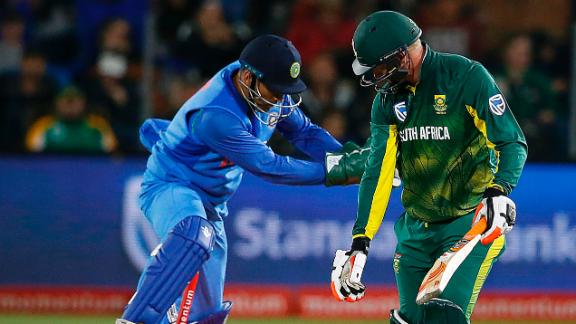
In Test cricket, the contest often focuses on patience, technique and the ability to perform under challenging conditions. In ODIs, both teams have demonstrated their ability to produce substantial totals and successful run chases. T20 cricket introduces another dimension because aggressive batting, bowling variations and quick tactical decisions become particularly important. Consequently, the south africa national cricket team vs india national cricket team match scorecard can look very different depending on the format and playing conditions.
Performance Across Different Cricket Formats
The two teams approach each format with different strategies. Test cricket rewards consistency and concentration, while ODI cricket requires a balance between building partnerships and increasing the scoring rate. T20 cricket places greater importance on explosive batting and the ability to take wickets during crucial overs.
South Africa have traditionally been recognised for their pace-bowling resources and athletic fielding. India, meanwhile, have developed considerable depth in batting, spin bowling and fast bowling. These strengths make their encounters competitive and provide plenty of opportunities for individual players to influence the outcome.
Factors That Influence India vs South Africa Match Results
Several factors determine the outcome when these international teams meet. The toss can influence the initial strategy, particularly in T20 matches where teams sometimes prefer chasing under suitable conditions. Pitch behaviour, weather, ground dimensions and the quality of the opposition’s bowling attack also influence how captains approach a game.
The batting order is another important consideration. A team needs aggressive opening batters, reliable middle-order players and finishers who can score quickly during the final overs. Similarly, a bowling attack requires different options for the powerplay, middle overs and death overs. A team that manages these responsibilities effectively generally has a stronger chance of winning.
Fielding is equally important. A dropped catch, missed run-out opportunity or unnecessary boundary can change the direction of a close match. In international cricket, small mistakes sometimes become decisive because both teams possess players capable of taking advantage of limited opportunities.
What Makes a Complete Scorecard Valuable?
A complete south africa national cricket team vs india national cricket team match scorecard helps cricket followers evaluate these factors through actual match statistics. Rather than relying entirely on commentary or general match summaries, readers can examine the figures and understand the reasons behind the result.
For example, a batter scoring 50 runs from 30 balls has made a different contribution from someone scoring 50 runs from 55 balls. Similarly, a bowler taking three wickets while conceding relatively few runs may have a greater influence on the match than a bowler who takes wickets but allows the opposition to score quickly. These comparisons make scorecards useful for supporters, analysts and cricket enthusiasts.
How to Analyse Future South Africa vs India Matches
Following future matches becomes more interesting when viewers pay attention to team combinations and individual player performances. Before a match, the playing XI, pitch conditions and recent form can provide useful information about the likely direction of the contest. During the match, partnerships, bowling changes and the required run rate offer additional insights.
After the match, supporters can compare the innings totals, individual batting performances and bowling figures. This approach provides a clearer understanding of how the teams performed instead of focusing only on the final result.
A few important statistics deserve particular attention when analysing future encounters:
-
Batting average: Helps evaluate a player’s consistency across multiple matches.
-
Strike rate: Explains how quickly a batter scores runs.
-
Economy rate: Measures the average runs conceded by a bowler per over.
-
Wicket-taking ability: Shows how effectively bowlers dismiss opposition batters.
These statistics should always be considered alongside match conditions and the player’s role in the team. A middle-order batter, for instance, may have a different responsibility from an opening batter, even when both are playing in the same format.
Why the India vs South Africa Cricket Rivalry Remains Popular
The popularity of this rivalry comes from the quality of cricket produced by both nations. India have a large cricket-following audience, while South Africa have consistently attracted attention through their competitive international performances. Whenever the teams meet, supporters expect exciting batting, challenging bowling spells and close contests.
Another reason for the rivalry’s popularity is the presence of internationally recognised players. Experienced batters can change the match with a single innings, while quality bowlers can turn a difficult situation into an advantage by taking wickets at the right time. Younger players also get opportunities to demonstrate their abilities against strong international opposition.
The T20 World Cup encounter in February 2026 was another example of how unpredictable this rivalry can be. India entered the match with considerable expectations, but South Africa produced a disciplined performance to win by 76 runs. The result showed that even a strong batting lineup can struggle when confronted with an organised bowling attack and continuous scoreboard pressure.
For readers looking for the south africa national cricket team vs india national cricket team match scorecard, the most useful approach is to identify the exact match date and format before comparing statistics. This prevents confusion between different bilateral series, World Cup fixtures and historical encounters.
Conclusion
The South Africa versus India cricket rivalry continues to deliver exciting contests across all three major international formats. Their February 2026 T20 World Cup Super Eight encounter provided another memorable example, with South Africa defeating India by 76 runs after scoring 187/7 and restricting the Indian team to 111 all out.
David Miller’s important 63-run innings, Marco Jansen’s four-wicket performance and Keshav Maharaj’s effective spell were central to South Africa’s victory. India’s inability to establish substantial partnerships during the chase ultimately made the target difficult to reach.
The south africa national cricket team vs india national cricket team match scorecard offers valuable insight into the performances that shaped this encounter. By examining batting statistics, bowling figures, partnerships and match conditions, cricket followers can understand the result in greater detail. As both teams continue competing in international tournaments and bilateral series, their rivalry will remain an important part of modern international cricket.