India vs New Zealand: Rivalry, Recent Results and Cricket Analysis


International cricket has produced several exciting rivalries, but the contest between India and New Zealand has developed a special identity through competitive matches, memorable performances and unpredictable results. Both teams have different cricketing strengths, yet they share a common reputation for discipline, teamwork and the ability to perform under pressure. Whether they meet in Test matches, One Day Internationals (ODIs) or Twenty20 Internationals (T20Is), their encounters often provide an interesting combination of aggressive batting, intelligent bowling and tactical competition.
The india vs new zealand cricket rivalry is particularly interesting because the two sides approach the game differently. India generally brings considerable batting depth, spin-bowling resources and a strong cricketing culture, while New Zealand is widely recognised for its disciplined approach, effective pace attack and adaptability. These differences create competitive situations in which small decisions can influence the final outcome. Supporters from both countries follow these matches closely because even a seemingly comfortable position can change quickly.
The ongoing 2026 tour of New Zealand has provided another example of this competitive relationship. India and New Zealand have already completed five T20Is and five ODIs, with the two-match Test series scheduled to begin on November 19, 2026. India secured the ODI series 3–1, while New Zealand recovered strongly during the limited-overs contests. The upcoming Test matches will provide another opportunity for both teams to demonstrate their abilities in challenging overseas conditions.
Understanding the India and New Zealand Cricket Rivalry
The cricketing relationship between India and New Zealand has developed over several decades. Their first international encounters helped establish a competitive sporting connection that gradually became more significant as both countries improved their cricketing standards. India has traditionally enjoyed strong support at home, where familiar pitches and enthusiastic crowds provide an advantage. New Zealand, meanwhile, has regularly demonstrated that a well-organised team can compete successfully against stronger opponents, regardless of the location.
One important feature of this rivalry is the difference between home and away performances. Indian conditions frequently encourage spin bowling and reward batters who can handle slower surfaces. New Zealand grounds often provide assistance to fast bowlers, particularly when the weather is cloudy or the pitch contains moisture. Consequently, players must adjust their techniques and strategies according to the venue. These changing conditions make every bilateral series a fresh challenge rather than a repetition of previous contests.
India vs New Zealand: Latest 2026 Series Results
The 2026 tour has offered cricket supporters plenty of action across different formats. The five-match T20I series began on October 22 and concluded on November 1. India won the opening three matches, establishing an early advantage, but New Zealand responded by winning the final two games. This turnaround demonstrated the home team’s ability to adjust its approach and finish the series with improved performances.
The ODI series followed from November 4 to November 15. India won the first two completed matches, the third match was abandoned because of rain, and New Zealand produced a major victory in the fourth ODI. India then responded in the final match to secure the series by a 3–1 margin. The results demonstrated that neither team could maintain complete control throughout the tour.
2026 T20I Series Results
| Match | Result |
|---|---|
| 1st T20I | India won by 4 wickets |
| 2nd T20I | India won by 4 wickets |
| 3rd T20I | India won by 6 wickets |
| 4th T20I | New Zealand won by 87 runs |
| 5th T20I | New Zealand won by 7 wickets |
India’s three consecutive victories at the beginning of the series highlighted its ability to chase challenging targets. New Zealand’s response in the final two matches, however, showed how quickly the momentum of a T20 series can change.
2026 ODI Series Results
The five-match ODI contest provided another interesting chapter. India won the opening match by five wickets under the DLS method and followed it with a narrow four-run victory in the second game. Rain prevented the third match from producing a result. New Zealand then delivered an impressive performance in the fourth ODI, defeating India by 244 runs.
India recovered in the fifth ODI, scoring 209 runs before dismissing New Zealand for 187. The 22-run victory confirmed India’s 3–1 series win. Arshdeep Singh played an important role with the ball, taking three wickets for 30 runs and helping India defend a relatively modest total.
Upcoming India vs New Zealand Test Series
Following the limited-overs matches, attention now moves towards the two-match Test series. The first Test is scheduled at Basin Reserve in Wellington from November 19 to November 23, 2026. The second Test will take place at Hagley Oval in Christchurch from November 27 to December 1.
These matches are important because Test cricket requires a different level of patience, technical ability and physical endurance. Unlike T20 cricket, where aggressive scoring can change a match within a few overs, Test matches involve several sessions of tactical competition. Batters must build partnerships, bowlers must maintain consistent pressure, and captains need to make decisions that remain effective over multiple days.
New Zealand will look to take advantage of familiar playing conditions. Wellington can offer movement for fast bowlers, especially during the early stages of an innings. India will need to demonstrate strong defensive techniques while remaining prepared to score whenever opportunities appear. The ability to manage changing weather and pitch conditions could become a decisive factor.
Key Indian Players to Watch
India has a combination of experienced international cricketers and developing players who can influence important matches. Shubman Gill brings technical consistency and leadership qualities, while Yashasvi Jaiswal offers an attacking batting approach. KL Rahul provides experience and flexibility, making him an important option in different batting positions.
Jasprit Bumrah remains one of India’s most valuable bowling resources because of his accuracy, pace variations and ability to perform in difficult situations. Mohammed Siraj can generate movement with the new ball, while Ravindra Jadeja contributes through batting, bowling and fielding. Kuldeep Yadav also provides an important spin-bowling option, particularly when the pitch begins to offer assistance to slower bowlers.
The balance between experienced players and younger talents will be particularly important in New Zealand. Indian batters must avoid unnecessary risks against moving deliveries, while the bowlers need to maintain consistent lines and lengths. Successful performances from these players could help India establish control during important sessions.
Important New Zealand Players to Watch
New Zealand has built a competitive squad around players who understand local conditions and can handle different match situations. Kane Williamson has long been recognised for his calm batting style and ability to construct long innings. His experience against quality international bowling makes him an important figure whenever he is available.
Daryl Mitchell is another valuable batter because of his ability to combine controlled stroke play with aggressive scoring. Tom Latham offers experience at the top of the order, while Devon Conway can provide stability and attacking options. Mitchell Santner adds considerable value through his left-arm spin and lower-order batting contributions.

New Zealand’s fast-bowling resources are equally important. Matt Henry, Jacob Duffy and other seam options can challenge visiting batters through movement, bounce and disciplined bowling. Their performance with the new ball could determine whether New Zealand gains an early advantage in the Test matches.
Why New Zealand Conditions Are Challenging for India
Playing international cricket in New Zealand requires technical adjustments. The weather, pitch characteristics and ground dimensions can create difficulties for visiting teams, particularly those accustomed to playing on slower subcontinental surfaces. Fast bowlers may receive additional assistance from atmospheric conditions, allowing them to create movement that makes batting challenging.
Indian players must focus on balance, footwork and shot selection. Playing too far away from the body can increase the possibility of edges, while unnecessary attacking shots can create opportunities for the opposition. Leaving deliveries outside off stump and defending with a straight bat can become valuable techniques during difficult periods.
Another challenge is maintaining concentration when conditions change. A sunny morning can offer different batting conditions from an overcast afternoon. Teams must therefore assess the surface regularly instead of following a fixed strategy throughout the match. India’s preparation and ability to adapt will be essential during the upcoming Tests.
Major Differences Between Test, ODI and T20 Cricket
The three international formats require different approaches, and the 2026 tour has highlighted how teams adjust their tactics according to match conditions.
Test Cricket: Test matches focus on patience, consistency and endurance. Batters must survive difficult spells, while bowlers attempt to dismiss opponents through sustained pressure. Captains have more time to develop plans, but every session can influence the final result.
One Day Internationals: ODIs require a balance between careful batting and controlled aggression. Teams must manage wickets while maintaining a suitable scoring rate. The middle overs are particularly important because they help establish the foundation for a competitive total.
T20 Internationals: T20 cricket is faster and more aggressive. Batters frequently target scoring opportunities from the beginning, while bowlers depend on variations, yorkers and changes of pace. Fielding also becomes extremely important because even a single missed opportunity can affect the outcome.
The recent series has demonstrated that success in one format does not automatically guarantee success in another. Both teams must develop separate strategies based on the demands of each competition.
Memorable Factors That Make This Rivalry Exciting
Several elements make matches between these countries attractive to cricket followers. First, both teams have developed strong international reputations and rarely approach important contests without detailed preparation. Second, their different playing conditions create tactical challenges that encourage teams to experiment with batting orders, bowling combinations and field placements.
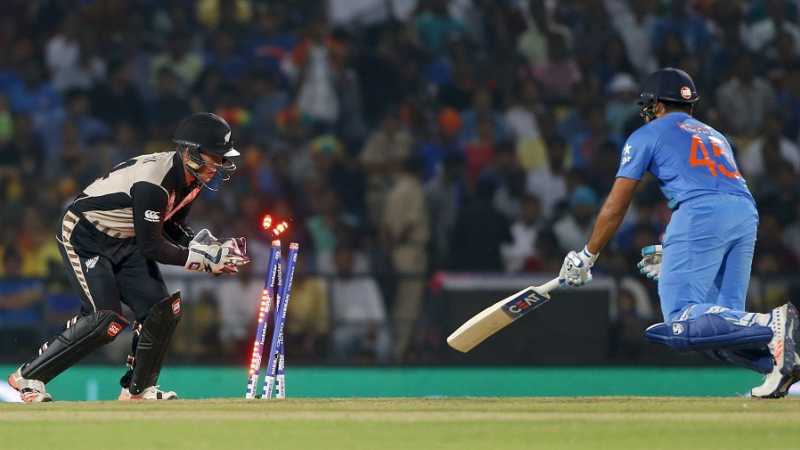
Another interesting factor is the competitive attitude displayed by both sides. New Zealand has produced impressive performances against leading cricket nations, while India has regularly demonstrated its ability to recover from difficult situations. Their matches frequently feature dramatic partnerships, unexpected bowling spells and close finishes.
For supporters, the india vs new zealand contest is not simply about comparing two scorecards. It also provides an opportunity to evaluate individual performances, team strategies and the development of international cricket. Each series adds new experiences and creates fresh talking points among cricket enthusiasts.
What Should Cricket Fans Watch in the Upcoming Matches?
The Test series provides several interesting areas to follow. India’s batting performance against New Zealand’s pace attack will be one of the biggest talking points. If the Indian top order can build stable partnerships, the visitors will have a better opportunity to control the match. However, early wickets could allow New Zealand to dominate with its seam-bowling resources.
The performance of India’s fast bowlers will also attract attention. Taking wickets in overseas conditions requires patience, accurate lines and the ability to exploit movement. New Zealand’s batters will attempt to use their familiarity with local pitches to build substantial totals.
Fans should particularly watch the following aspects:
- Opening partnerships and their ability to handle the new ball.
- Fast-bowling accuracy and movement under changing weather conditions.
- Spin bowling during the middle and later stages of an innings.
- Captaincy decisions, field placements and partnership management.
These factors can help explain why a team gains an advantage even when the overall statistics appear relatively balanced.
The Importance of Team Strategy and Player Consistency
International cricket is not determined by individual talent alone. Team planning, communication and consistent execution are equally important. A talented batter may score quickly, but a strong partnership often provides greater value because it allows the team to recover after losing early wickets. Similarly, a fast bowler may deliver one excellent spell, but maintaining pressure across several sessions requires discipline and physical fitness.
Fielding is another important part of the competition. Catching opportunities, boundary prevention and quick movements between the wickets can influence close matches. India’s narrow ODI victory by four runs in the second match of the 2026 series demonstrated how small differences can determine the result. Such encounters remind supporters that every run and wicket matters.
For New Zealand, maintaining consistency across all departments will be essential. The team has already demonstrated its ability to challenge India through strong performances in the T20I and ODI formats. Reproducing that intensity in Test cricket will require careful preparation and effective use of home conditions.
Conclusion
The cricketing relationship between India and New Zealand continues to deliver competitive matches, exciting performances and valuable sporting moments. The 2026 tour has already produced an entertaining T20I series, a closely contested ODI competition and several impressive individual performances. India’s 3–1 ODI series victory has given the visitors confidence, while New Zealand’s strong performances in selected matches demonstrate that the home side remains a serious competitor.
The upcoming Test series in Wellington and Christchurch will provide another opportunity for both teams to prove their strengths. India’s batting depth and bowling resources will be tested against New Zealand’s familiarity with local conditions and disciplined pace attack. The outcome will depend on preparation, adaptability, partnerships and the ability to perform under pressure.
Ultimately, india vs new zealand remains an exciting international cricket contest because both teams bring different strengths and competitive mindsets to the field. With the Test matches approaching, cricket supporters can look forward to another fascinating chapter in a rivalry built on skill, determination and memorable performances.