India vs Australia: A Complete Guide to Cricket Rivalry, History and Future

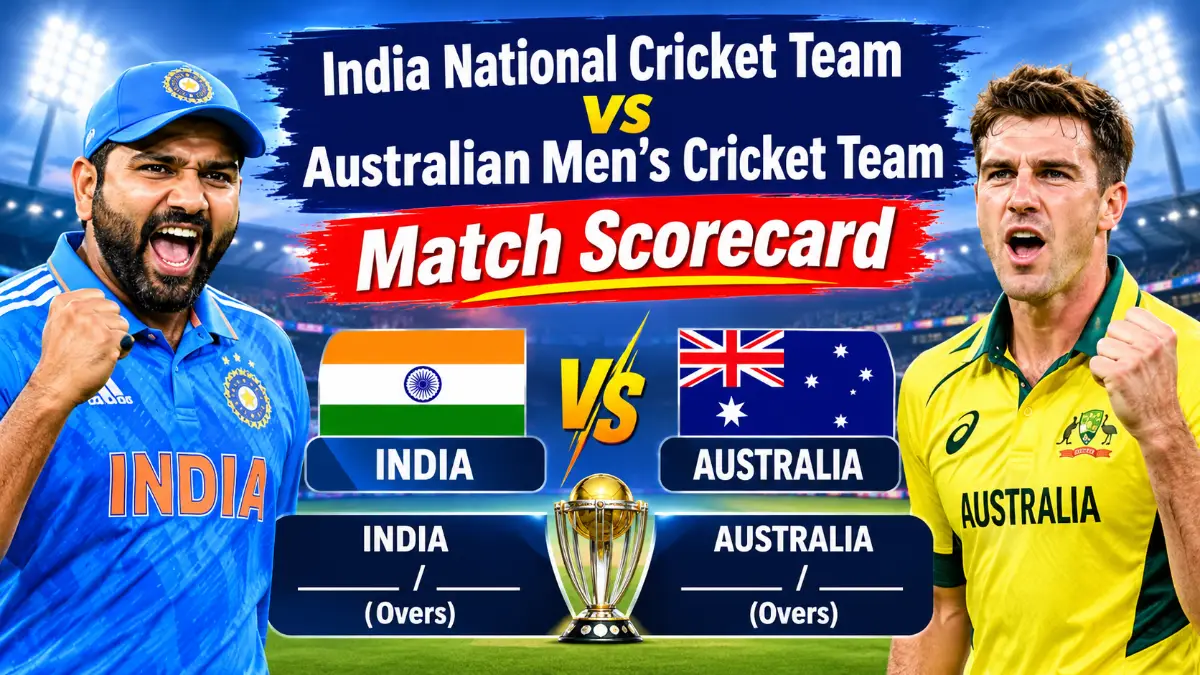
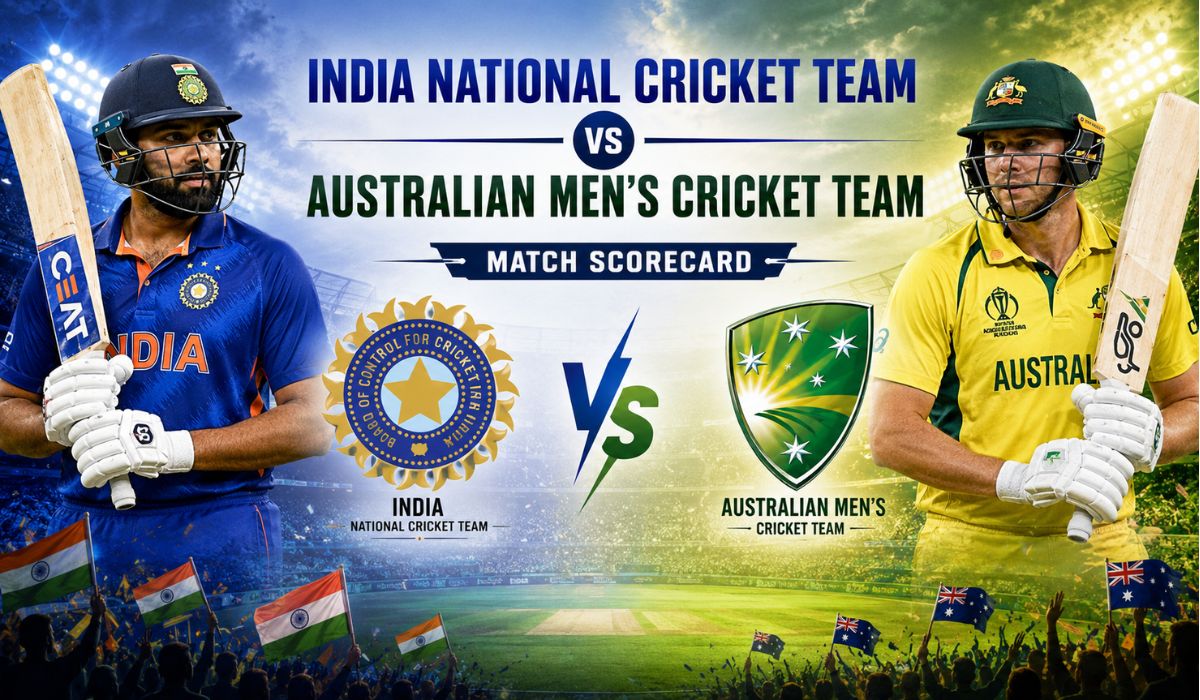
Cricket has produced several unforgettable rivalries, but few have generated as much excitement, competition and emotional investment as India versus Australia. Both countries have established themselves as major forces in international cricket, producing legendary players, remarkable performances and matches that remain memorable for generations. Whether it is a closely contested Test match, an exciting One Day International or a high-pressure T20 encounter, meetings between these two teams regularly attract enormous attention from cricket supporters around the world.
The popularity of india vs australia comes from more than the sporting reputation of the two nations. It represents a contest between different cricketing traditions, playing conditions and approaches to the game. India is widely recognised for its technically gifted batters, talented spin bowlers and passionate cricket culture, while Australia has traditionally been admired for its aggressive mindset, disciplined fast bowling and competitive attitude. When these strengths meet, the result is often an entertaining contest in which individual performances and strategic decisions can change the outcome.
Over the years, this rivalry has developed through historic victories, unexpected defeats, outstanding partnerships and exceptional bowling spells. From traditional Test cricket to modern limited-overs competitions, both sides have repeatedly demonstrated why they belong among the leading teams in world cricket.
The History and Growth of the India-Australia Cricket Rivalry
The cricketing relationship between India and Australia dates back to 1947–48, when the Indian team toured Australia for its first Test series in the country. Australia, led by the legendary Don Bradman, won the series comfortably. Although India struggled against the experienced Australian side, the tour provided valuable international exposure and helped establish the foundation of a competitive cricketing relationship.
During the following decades, Australian cricket maintained a strong international reputation, while India gradually developed into a more formidable opponent. Indian cricket experienced important progress through the emergence of talented batters and bowlers who could compete against the strongest teams. The introduction of world-class players, improvements in domestic cricket and growing international experience helped India become increasingly competitive against Australia.
The rivalry became particularly exciting during the late twentieth and early twenty-first centuries. Australia’s dominant teams featured outstanding cricketers such as Ricky Ponting, Adam Gilchrist, Glenn McGrath and Shane Warne. India responded with exceptional performers, including Sachin Tendulkar, Rahul Dravid, Sourav Ganguly and Anil Kumble. Their performances helped transform the contest into one of international cricket’s most closely followed rivalries.
Why India vs Australia Is One of Cricket’s Biggest Rivalries
The intensity of this contest comes from the competitive quality of both teams. Neither side generally approaches these matches as ordinary international fixtures. Players understand the historical importance of the rivalry, and supporters expect high standards of performance throughout the series.
Another important factor is the contrast between playing styles. Australian teams have traditionally relied on fast bowling, attacking field placements and aggressive batting. India, meanwhile, has developed considerable strength through technically accomplished batting, wrist-spin and finger-spin options, and an increasingly powerful pace attack.
Home conditions also create interesting challenges. Australian pitches often provide bounce and carry, making life difficult for batters who are uncomfortable against fast bowling. Indian surfaces can offer assistance to spinners as matches progress, requiring visiting teams to adjust their techniques and patience.
Memorable Moments That Defined the Rivalry
India’s Historic Test Series Victory in 2001
One of the most celebrated chapters in this rivalry came during the 2001 Border-Gavaskar Trophy in India. Australia entered the series with tremendous confidence after an impressive run of victories under Steve Waugh. However, India produced an extraordinary comeback after losing the opening Test in Mumbai. The second Test in Kolkata became one of the greatest matches in cricket history.
After following on, India produced a remarkable batting performance, with VVS Laxman scoring 281 and Rahul Dravid contributing 180. Their partnership completely changed the direction of the match. Harbhajan Singh then played an important role with the ball as India secured an unforgettable victory. The final Test in Chennai also went India’s way, giving the home team a famous 2–1 series triumph.
India’s First Test Series Victory in Australia
The 2018–19 Australian tour was another historic achievement for Indian cricket. Under Virat Kohli’s captaincy, India became the first Asian team to win a Test series in Australia. The team displayed impressive discipline, with Cheteshwar Pujara producing outstanding batting performances and India’s fast bowlers maintaining pressure throughout the series.
The victory was particularly important because Australia were playing without Steve Smith and David Warner, who were unavailable following their suspensions. Nevertheless, winning a challenging overseas series required consistent performances from the entire Indian team. The 2–1 result demonstrated India’s growing ability to compete successfully in difficult international conditions.
The Dramatic 2020–21 Border-Gavaskar Trophy
The 2020–21 series remains one of the most inspiring examples of resilience in modern Test cricket. India suffered a historic collapse in Adelaide, getting dismissed for just 36 runs in the second innings. Many observers expected Australia to dominate the remaining matches, but India responded with determination and confidence.
The team faced injuries, changes in personnel and the pressure of playing at the famous Australian grounds. Ajinkya Rahane’s leadership, Shubman Gill’s batting, Rishabh Pant’s attacking approach and the contributions of several young players helped India recover. The final Test at Brisbane was especially memorable because India successfully chased a challenging target at the Gabba, a venue where Australia had maintained an extraordinary unbeaten record for decades. India won the series 2–1, creating another landmark moment.
India vs Australia in Different Cricket Formats
The rivalry becomes particularly interesting when examined across the three major international formats. Each format demands a different approach, and both teams have developed strengths that allow them to compete at the highest level.
Test Cricket: A Battle of Patience and Technique
Test cricket remains the traditional foundation of this rivalry. Matches can extend over five days, requiring players to demonstrate concentration, fitness, technical ability and mental strength. Batters must adjust to changing pitch conditions, while bowlers need to maintain accuracy and create pressure through long spells.
India has traditionally enjoyed considerable success against Australia on home pitches, where spin bowling often becomes an important factor. Australian conditions, on the other hand, challenge Indian batters with pace, bounce and movement. The Border-Gavaskar Trophy has become one of the most respected contests in Test cricket because both teams have repeatedly delivered competitive series.
One Day International Cricket: Strategy and Consistency
ODI cricket brings a different dimension to the contest. With 50 overs available to each team, captains must balance attacking batting with the need to preserve wickets. Building partnerships, maintaining a suitable scoring rate and selecting the right bowlers for different stages of an innings are essential.

Australia has historically maintained an impressive record in ODI cricket, supported by its success in major international tournaments. India has also developed into a powerful ODI side, with experienced middle-order batters, technically strong openers and effective bowling combinations. Their World Cup encounters have attracted particular attention because a single mistake can significantly affect a team’s tournament campaign.
T20 International Cricket: Speed, Power and Entertainment
T20 cricket has introduced a faster and more aggressive dimension to the rivalry. Batters frequently attempt innovative shots, bowlers experiment with variations and captains must make quick decisions. A match can change within a few deliveries, making this format particularly attractive to modern audiences.
India has developed a strong record in T20 internationals against Australia, combining explosive batting with versatile bowling options. Australia’s players are equally capable of changing matches through powerful hitting and disciplined bowling. The shorter format also gives emerging cricketers opportunities to establish themselves on the international stage.
India vs Australia Head-to-Head Record
The overall international record provides an interesting picture of how competitive the two teams have been. Australia has historically enjoyed an advantage in Test and ODI victories when the complete records are considered, while India has a stronger record in T20 internationals.
The following table presents the men’s international head-to-head figures across the three formats, based on available records through November 2026.
| Format | Matches | India Won | Australia Won | Other Results |
|---|---|---|---|---|
| Test | 112 | 33 | 48 | 30 draws, 1 tie |
| ODI | 155 | 59 | 86 | 10 no results |
| T20I | 37 | 22 | 12 | 3 no results |
These numbers demonstrate that the rivalry does not have one consistent winner across every format. Australia’s experience and historical dominance have contributed to its strong ODI and Test records, whereas India’s performances in T20 cricket highlight its ability to adapt to modern playing conditions. Home advantage, team selection, player availability and match conditions continue to influence individual series results.
Legendary Players Who Strengthened the Rivalry
The quality of individual players has played a major role in making this cricketing contest special. Both nations have produced cricketers whose performances have influenced important matches and inspired younger generations.
Indian Cricket Legends
India’s contribution to this rivalry includes several extraordinary batters and bowlers. Sachin Tendulkar remains one of the most celebrated figures because of his remarkable consistency against Australian bowling attacks. His performances against Shane Warne, Glenn McGrath and other leading bowlers became defining moments in international cricket.
Rahul Dravid earned admiration for his patience and technical excellence, particularly in difficult overseas conditions. VVS Laxman became famous for his outstanding performances against Australia, especially his memorable innings in Kolkata. Anil Kumble, Virender Sehwag, Sourav Ganguly and MS Dhoni also made significant contributions to the development of the rivalry.
Among more recent generations, Virat Kohli, Rohit Sharma, Ravichandran Ashwin, Ravindra Jadeja and Jasprit Bumrah have delivered memorable performances. Their different abilities have helped India remain competitive in every format.
Australian Cricket Legends
Australia has produced some of the most influential players in cricket history. Don Bradman established an extraordinary batting legacy, while Shane Warne became one of the most successful spin bowlers in the sport. Glenn McGrath was admired for his accuracy, and Adam Gilchrist transformed expectations from wicketkeeper-batters through his attacking approach.
Ricky Ponting’s leadership and batting performances played an important role in Australia’s dominance during the 2000s. Matthew Hayden, Michael Clarke, Brett Lee and Steve Waugh also contributed to memorable contests against India.
More recently, players such as Steve Smith, David Warner, Pat Cummins, Mitchell Starc, Josh Hazlewood and Travis Head have continued Australia’s competitive tradition.
Recent Developments and the Current Cricketing Scenario
Modern international cricket has made this rivalry even more competitive. Both teams have invested in developing young players, improving fitness standards and building squads capable of performing in different conditions. The growing importance of T20 leagues has also influenced how cricketers approach international matches, particularly in terms of batting flexibility, power hitting and bowling variations.
During Australia’s 2025 tour, the two teams competed in ODI and T20I series. Australia won the ODI series 2–1, while India won the T20I series 2–1, with two matches producing no result. India’s ODI victory in Sydney and its strong performances in the T20I leg demonstrated how quickly the balance can shift between formats. The final T20I in Brisbane was abandoned without a result after rain interrupted play.
The 2024–25 Border-Gavaskar Trophy also produced an important result for Australia. The home team won the five-match Test series 3–1, reclaiming the trophy after India’s previous successes in Australia. This result showed that Australian conditions remain a significant challenge, even for experienced Indian players. Looking ahead, the scheduled 2026–27 five-Test Border-Gavaskar Trophy in India provides another major opportunity for both teams to compete for an important international achievement.
The Importance of Young Players
The future of this rivalry will depend heavily on emerging talent. India continues to develop promising batters, fast bowlers and spinners through its domestic cricket system and international competitions. Players who demonstrate the ability to perform under pressure can quickly become important members of the national side.

Australia also maintains a strong pathway for developing international cricketers through domestic competitions and its professional cricket structure. Young players must learn to handle challenging overseas conditions, manage expectations and perform consistently against experienced opponents. The next generation could introduce new match-winning combinations and create memorable chapters in this long-standing rivalry.
Key Factors That Influence the Outcome of Matches
Although both teams have exceptional cricketing resources, several factors regularly determine which side gains an advantage. Understanding these elements makes it easier for supporters to analyse matches beyond individual scores and statistics.
Some of the most important factors include:
-
Pitch conditions: Bounce, pace, turn and surface deterioration influence batting and bowling strategies.
-
Batting partnerships: Strong partnerships help teams build competitive totals and recover from early setbacks.
-
Bowling discipline: Accurate bowling and effective variations create pressure and produce important wickets.
-
Captaincy decisions: Field placements, bowling changes and batting order adjustments can influence crucial moments.
-
Mental strength: Players who remain calm under pressure are often better equipped to handle important situations.
Team combinations are equally important. A balanced squad needs reliable opening batters, dependable middle-order players, quality all-rounders and bowlers who can perform specific roles. In Test cricket, teams may prioritise endurance and bowling depth, whereas T20 selections often focus on flexibility and attacking options.
The Role of Cricket Supporters and Global Popularity
Cricket supporters have played an important role in making this rivalry one of the most widely discussed contests in international sport. Indian fans bring enormous enthusiasm to stadiums and television broadcasts, while Australian supporters are known for their strong connection with the national team and traditional cricket culture.
The popularity of india vs australia extends beyond the two countries. Cricket followers across England, South Africa, New Zealand, Pakistan and other cricket-playing nations regularly follow these matches. International broadcasters, digital platforms and sports discussions have made it easier for supporters to follow live scores, match statistics, player performances and tournament developments.
Social media has further increased engagement. Supporters share opinions about team selections, discuss controversial decisions, celebrate outstanding performances and compare players from different generations. This interaction ensures that the rivalry remains relevant even between major international series.
What Makes Future India-Australia Matches Exciting?
The future of this rivalry looks promising because both countries continue to produce internationally competitive teams. Their cricketing systems provide opportunities for experienced players and emerging talents to develop together. As playing styles evolve, supporters can expect more aggressive batting, innovative bowling strategies and increasingly competitive contests.
Another reason for the rivalry’s continuing importance is its connection with major international tournaments. Matches between India and Australia can have significant consequences in World Cups, championship finals and other important competitions. Players must deal with expectations from supporters while maintaining concentration on the actual requirements of the match.
Technology has also changed the way teams prepare. Video analysis, performance tracking, data-based strategies and improved recovery methods allow players and coaching staff to identify weaknesses and develop more effective game plans. However, technical preparation alone cannot guarantee success. Players still need courage, discipline and the ability to make good decisions during difficult situations.
Why This Rivalry Matters for International Cricket
The importance of this contest goes beyond winning a particular match or series. It encourages both cricketing nations to maintain high standards and develop players capable of competing against the strongest international opponents. When India and Australia meet, the quality of competition often provides valuable lessons about preparation, adaptability and teamwork.
For young cricketers, watching these teams compete offers an opportunity to understand different approaches to batting, bowling and captaincy. India’s emphasis on technical batting and spin bowling, combined with Australia’s aggressive approach and fast-bowling traditions, creates an interesting learning environment.
The continuing popularity of india vs australia also reflects how international cricket has evolved. Traditional five-day matches still attract dedicated followers, while ODI and T20 competitions bring new audiences to the sport. This combination of tradition and modern entertainment gives the rivalry lasting relevance.
Conclusion
The India-Australia cricket rivalry represents one of the finest examples of international sporting competition. Its history includes legendary players, unforgettable Test matches, dramatic World Cup encounters and remarkable team performances. Both nations have experienced periods of dominance, but neither has been able to make the contest predictable.
From the historic Kolkata Test in 2001 to India’s famous victories in Australia in 2018–19 and 2020–21, every generation has contributed something special to this sporting relationship. Australia’s success in the 2024–25 Border-Gavaskar Trophy and the competitive 2025 limited-overs series further demonstrate that both teams remain capable of challenging each other.
As international cricket continues to change, india vs australia will remain an important fixture for players, supporters and cricket analysts. The upcoming series will provide new opportunities for emerging stars, experienced performers and team leaders to create memorable moments. Ultimately, the greatest strength of this rivalry is its unpredictability, competitive spirit and ability to deliver exciting cricket across all formats.