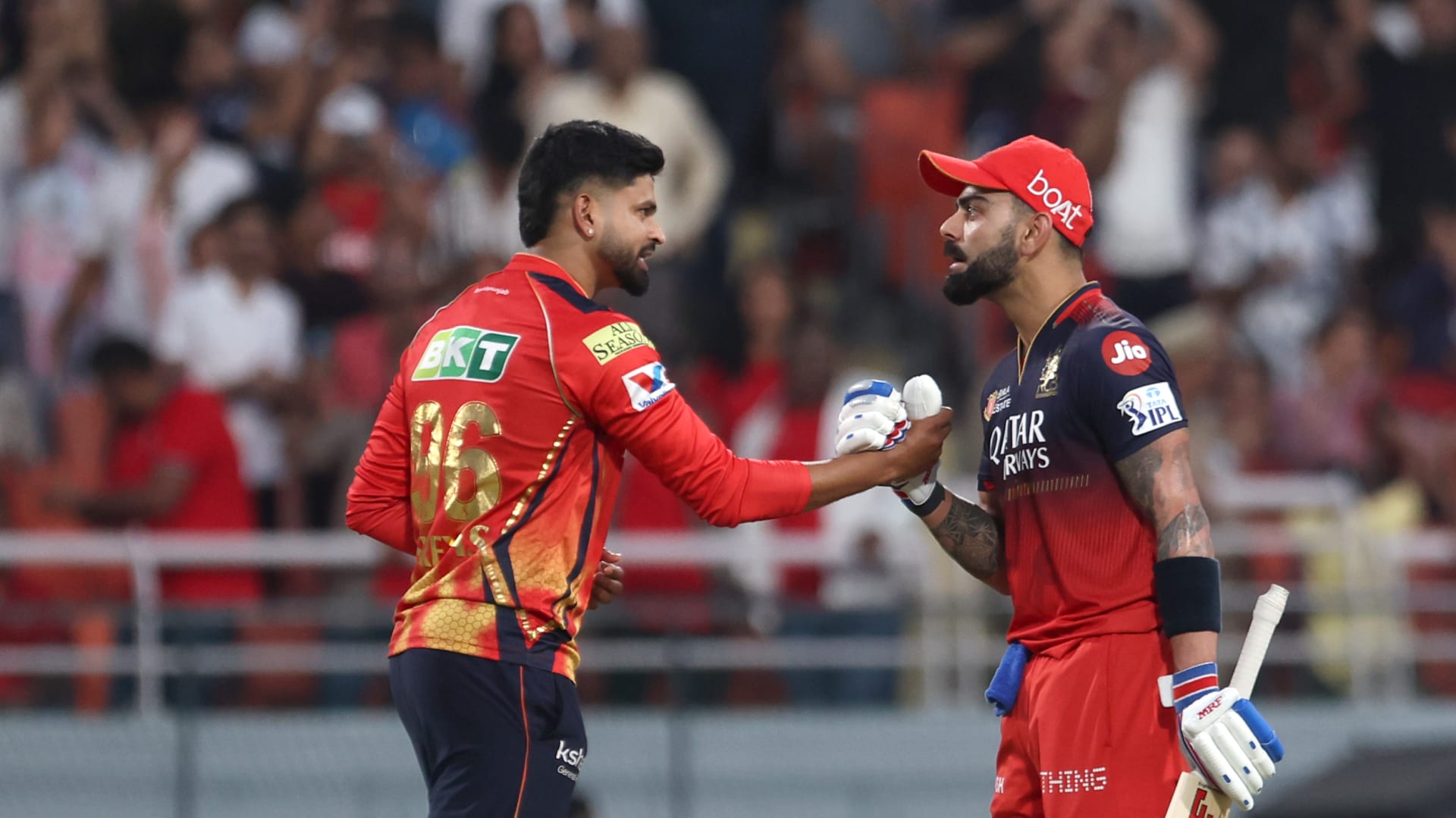
The Indian Premier League has transformed cricket into a fast-paced sporting spectacle that combines international talent, emerging Indian players, intense competition, and entertainment. Since its launch in 2008, the tournament has developed into one of the most recognizable T20 cricket competitions in the world. Every season brings new rivalries, unexpected performances, dramatic finishes, and memorable moments that keep fans engaged from the opening match to the final. Its short format makes every delivery important, allowing a single over, partnership, or outstanding fielding effort to change the direction of a game.
The popularity of the IPL extends beyond the cricket field. It has influenced sports broadcasting, franchise management, player development, sponsorships, and the way audiences follow professional cricket. Supporters watch matches for different reasons: some follow a particular franchise, others enjoy individual player performances, while many appreciate the tactical decisions that unfold during a close contest. The tournament also gives young cricketers an opportunity to compete alongside experienced international professionals, helping them learn how to perform under pressure.
Understanding the competition involves more than knowing the teams or checking the latest results. Its format, auction system, player combinations, points table, pitch conditions, and strategic use of resources all contribute to the overall experience. Whether someone is a long-time supporter or a new viewer, learning how these elements work makes the tournament easier to follow and more enjoyable to watch.
What Is the IPL and Why Is It So Popular?
The IPL is a professional franchise-based Twenty20 cricket league organized by the Board of Control for Cricket in India. Teams represent different cities or regions and compete in a structured season that leads to the playoffs and final. Unlike traditional international cricket series, where national teams compete against each other, this competition brings together players from different countries within the same franchise. That combination creates distinctive team identities and allows supporters to watch familiar international stars playing alongside emerging domestic talent.
One major reason for its success is the nature of T20 cricket. Each team generally faces a maximum of 20 overs, so batters must score quickly while bowlers need to defend runs through careful planning and execution. Matches usually fit into a shorter viewing window than longer cricket formats, making them accessible to busy audiences. Close finishes, aggressive batting, creative bowling changes, and spectacular catches also provide plenty of talking points. However, the competition is not simply about hitting boundaries; teams must balance attacking intent with disciplined execution, particularly when the pitch or match situation makes scoring difficult.
History and Development of the Tournament
The first season took place in 2008, introducing a franchise-based format that brought commercial investment and international cricket talent into a single domestic league. Early seasons established the foundations of the competition, while memorable individual performances and competitive team rivalries gradually increased its appeal. Over time, the tournament expanded its commercial reach and became an important part of the annual cricket calendar.
The league has also changed the professional opportunities available to players. Young Indian cricketers can demonstrate their skills against established international opponents, while overseas players experience different playing conditions and tactical approaches. Coaches, analysts, fitness specialists, and support staff have become increasingly important to franchise operations. The growth of data analysis has also influenced how teams prepare for matches, evaluate opponents, and make decisions about batting orders and bowling combinations. As a result, the competition now reflects both traditional cricketing knowledge and modern sports science.
Another important development has been the changing structure of the participating franchises. The number of teams has varied across seasons, with expansion introducing additional markets and new rivalries. The league has also experienced changes in player regulations, squad construction, and competition scheduling. These developments show how a major sporting event must continually adapt while maintaining the basic appeal of competitive T20 cricket.
Teams, Supporters, and Major Rivalries
Franchise identity is one of the defining features of the competition. Teams develop their own colours, fan traditions, home venues, and recognizable playing styles. Supporters often remain loyal through several seasons, creating a strong emotional connection that extends beyond individual results. Home matches can feature energetic crowds, coordinated chants, and a distinctive atmosphere that gives each venue its own character.
Rivalries add another layer of excitement. Some matchups attract attention because the teams have competed in important knockout games, while others are shaped by regional pride or repeated contests between star players. A rivalry may become particularly memorable when a team repeatedly wins close matches, when a former player faces an old franchise, or when the result affects qualification for the playoffs. Nevertheless, past success does not guarantee future results. Squad changes, player availability, form, and conditions can alter the balance between opponents from one season to the next.
The participating franchises and their official identities may change as the league evolves. For this reason, readers should distinguish between the historical record of a franchise and its performance in the current season. A team with a long history may be rebuilding its squad, while a newer or recently restructured team may develop a competitive combination quickly. Following those changes provides a more complete understanding of the tournament than relying on reputation alone.
Understanding the Tournament Format
The competition generally begins with a league stage in which franchises collect points through their scheduled matches. Results determine the standings, and the leading teams progress to the playoff stage under the season’s published rules. The playoffs then establish the finalists, who compete for the championship. Exact scheduling and qualification arrangements should always be checked against the regulations for the relevant season, particularly when the competition format changes.
The league table is one of the most useful tools for understanding the season. Teams are typically awarded two points for a win, while a no-result match generally awards one point to each side under the applicable rules. A defeat normally earns no points. When teams finish level on points, net run rate can become a decisive factor. This statistic measures the difference between a team’s scoring rate and the scoring rate of its opponents across the relevant matches, subject to competition rules. It helps distinguish teams with similar win-loss records.
| Tournament element | What it means | Why it matters |
|---|---|---|
| League stage | Teams compete in scheduled matches | Builds the season standings |
| Points table | Records points and other performance measures | Shows qualification position |
| Net run rate | Compares scoring and conceding rates | Can separate teams on equal points |
| Playoffs | Determine the teams reaching the final | Increase the importance of key matches |
| Final | Decides the season’s champion | Represents the tournament’s ultimate contest |
Understanding these elements helps fans interpret the standings accurately. A team may be close to qualification despite a recent defeat, while another may need several wins to remain in contention. The number of remaining matches, opponents, points available, and net run rate all influence the situation. Looking at the complete table is therefore more informative than judging a team’s prospects from one result.
Players, Auctions, and Squad Building
Player selection is central to franchise performance. Teams must assemble a balanced squad within the competition’s budget and roster regulations, choosing players who can contribute in different conditions. The auction process attracts particular attention because franchises compete to secure players whose skills fit their plans. A high-profile signing may strengthen a weak area, but a large price alone does not guarantee success. Availability, fitness, role clarity, and the ability to perform consistently are equally important.

Squad construction usually involves several complementary roles. Teams need dependable top-order batters, middle-order players capable of accelerating the scoring rate, finishers who perform well late in an innings, and bowlers who can handle different phases of a match. All-rounders provide flexibility because they contribute with both bat and ball. Wicketkeepers must combine reliable glovework with useful batting, while fielding ability can influence selection when two players offer similar skills.
A balanced squad often benefits from the following considerations:
- Reliable batters who can build partnerships and accelerate when required.
- Bowlers with distinct skills for the powerplay, middle overs, and death overs.
- All-rounders who provide tactical flexibility and additional team balance.
- Bench strength that helps manage injuries, workload, and changes in conditions.
The challenge continues after the auction. Coaches and captains must choose the playing eleven, assign responsibilities, and adapt combinations to the opposition. A team with several outstanding individual players may struggle if their roles overlap or its bowling resources are poorly balanced. Conversely, a well-planned squad can outperform expectations when players understand their responsibilities and execute a shared strategy.
Batting Strategies and the Importance of Partnerships
Batting in T20 cricket requires a balance between risk and control. During the powerplay, fielding restrictions can create opportunities for aggressive scoring, but losing several wickets early may leave the middle order under pressure. Some teams therefore begin with attacking intent, while others prioritize wicket preservation before increasing the scoring rate. The correct approach depends on the pitch, bowling attack, target, and the strengths of the available batters.
Middle-over batting often determines whether an innings maintains momentum. Rotating the strike, identifying favourable matchups, and selecting the right deliveries to attack help prevent a slowdown. A batter who scores quickly without taking unnecessary risks can create opportunities for a powerful finish. Partnerships are particularly valuable because they allow players to share responsibility, rebuild after a wicket, and plan their approach around the required run rate.
The final overs demand a different set of skills. Batters may target boundary options, use innovative shots, or exploit gaps created by field placements. Yet a successful finish is not measured only by sixes. Running between the wickets, converting ones into twos, and avoiding dot balls can add crucial runs. A side chasing a target must also understand the equation clearly, because the required rate can rise sharply when wickets fall or scoring opportunities disappear.
Bowling Plans, Fielding, and Match Decisions
Bowling strategy is equally important in a format where every over can change the result. Fast bowlers may use swing, seam movement, changes of pace, or accurate yorkers depending on the conditions and batter. Spinners can vary their speed, flight, and trajectory to disrupt timing. Successful bowlers do not rely on one delivery throughout an innings; they assess the batter’s preferences and adjust their plans when the initial approach stops working.
Captains must also decide when to use particular bowlers. An effective powerplay bowler may be most useful against an aggressive opening batter, while a specialist death bowler may be reserved for the final overs. These choices involve trade-offs because using a key bowler early may leave fewer options later. Field placements, bowling changes, and communication between captain and bowler therefore require careful coordination.
Fielding is another major part of the result. A direct hit, a boundary-saving effort, or a difficult catch can change the momentum of a match. Misfields and dropped catches can be costly, particularly when the opposition is building a partnership. Teams increasingly treat fielding as a source of runs saved rather than a secondary skill. In a close contest, preventing even a small number of runs may prove as important as scoring a boundary.
Technology, Analytics, and the Modern Fan Experience
Technology has changed the way franchises prepare for games and how audiences understand them. Teams use performance data to examine batting patterns, bowling effectiveness, scoring zones, and matchups between specific players. Analysts can identify whether a batter struggles against a certain type of delivery or whether a bowler becomes less effective during a particular phase. These findings can inform tactical plans, although cricket remains unpredictable and statistics cannot account for every variable.
Broadcast technology has also made the viewing experience more detailed. Replays, ball-tracking graphics, wagon wheels, speed measurements, and other visual tools help viewers examine important moments. Digital score updates and match summaries make it easier to follow the competition even when watching an entire game is not possible. Fans can compare performances, study standings, and discuss strategic decisions as matches unfold.
However, statistics are most useful when interpreted in context. A batter’s strike rate may look impressive without revealing the match situation, while a bowler’s economy rate may be affected by the quality of the opposition and the conditions. Numbers can explain patterns, but they should not replace an understanding of the game. Combining statistical evidence with match context produces a more balanced assessment of individual and team performances.
How to Follow the Current Season More Effectively
Following the latest competition requires attention to more than scores alone. Readers should examine the fixture schedule, confirmed playing elevens, player availability, results, and the points table. The distinction between completed matches and upcoming fixtures is especially important when interpreting a team’s position. A strong run of victories may improve qualification prospects, but the remaining schedule can still present difficult challenges.

A practical way to follow the season is to focus on a few consistent indicators: recent form, squad balance, home and away performances, net run rate, and the availability of key players. These factors offer a clearer picture than isolated statistics or predictions based on a team’s reputation. Match conditions also matter, as some pitches favour stroke-making while others reward patience, spin, or disciplined seam bowling.
The official season rules and published results should be treated as the primary reference for current information. Schedules, squad lists, and qualification scenarios can change, so older summaries may not reflect the latest situation. This is particularly relevant when following injury replacements, team combinations, or late-season standings. Careful attention to dates and completed results helps prevent confusion.
The Wider Impact of the League on Cricket
The competition has influenced cricket at several levels. For emerging players, it offers a high-pressure environment in which skills are tested against experienced professionals. Young batters can learn how international bowlers build plans, while domestic bowlers gain experience against established hitters. Exposure to different coaching methods and preparation routines can help players develop a more adaptable approach to the game.
The tournament also creates opportunities beyond playing roles. Coaches, analysts, physiotherapists, broadcasters, event organizers, grounds staff, and commercial teams contribute to its operation. Match-day activity supports work across stadium management, hospitality, media production, and related services. Its economic influence varies by location and season, but the broader ecosystem demonstrates how professional sport can generate activity beyond the boundary rope.
At the same time, the demanding schedule requires careful attention to workload and recovery. Players may move between venues, manage travel, and compete in quick succession. Teams must balance the desire to field their strongest lineup with the need to protect players from fatigue and injury. This challenge makes planning, communication, and squad depth essential throughout a long season.
Conclusion
The IPL brings together sporting skill, tactical decision-making, franchise identity, and passionate fan engagement in a format where momentum can shift within a few deliveries. Its appeal comes from the combination of powerful batting, intelligent bowling, outstanding fielding, emerging talent, and unpredictable results. Behind the entertainment lies a complex competition in which squad planning, match conditions, player roles, and strategic decisions all influence performance.
For anyone following the league, understanding the format and the points table provides a strong starting point. Looking deeper at partnerships, bowling plans, player availability, and net run rate makes each match more meaningful. The tournament continues to offer opportunities for new players, memorable contests for supporters, and evolving approaches to professional cricket. By looking beyond individual scores and considering the wider context, fans can appreciate not only who wins a match but also how the result develops and what it means for the season.