India vs South Africa: Epic Cricket Rivalry and Modern Challenges

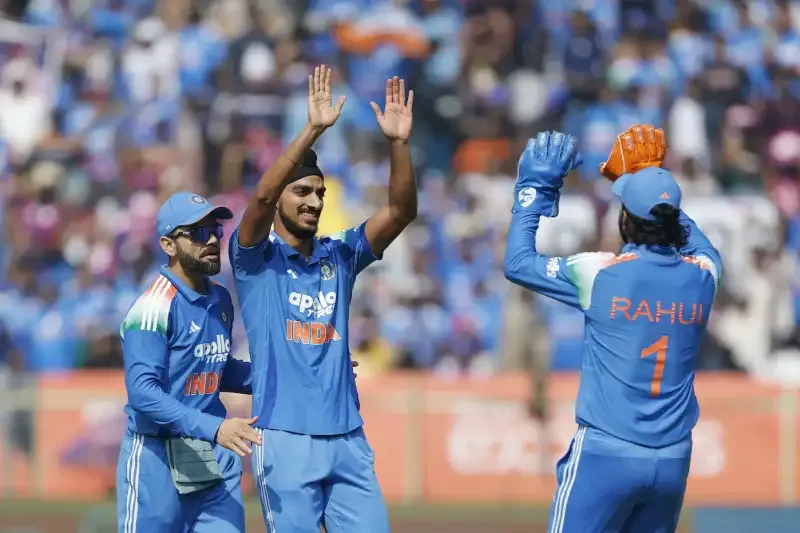
International cricket becomes more exciting when two highly competitive teams meet with different playing styles, exceptional talent, and a strong desire to win. The India vs South Africa rivalry represents one of the most fascinating contests in modern cricket. From challenging Test matches to high-scoring limited-overs encounters, both nations have consistently delivered memorable performances that attract millions of cricket enthusiasts worldwide.
India has developed a reputation for its technically skilled batters, versatile bowling attack, and impressive bench strength. South Africa, meanwhile, is recognised for its aggressive batting, athletic fielding, disciplined fast bowling, and ability to challenge opponents in unfamiliar conditions. These contrasting qualities make every encounter unpredictable and entertaining.
The rivalry has become even more interesting following South Africa’s Test series victory in India in 2025 and its impressive performance against the Indian team during the 2026 ICC Men’s T20 World Cup. As international cricket continues to evolve, both countries are focusing on developing young players, improving tactical flexibility, and maintaining consistency across different formats.
The History Behind This Famous Cricket Rivalry
The cricketing relationship between India and South Africa gained significant attention in 1991 when South Africa returned to international cricket following its exclusion during the apartheid era. India became the first country to host the South African national team after its international return. This historic occasion established a sporting relationship that gradually developed into a highly competitive rivalry.
During the 1990s and early 2000s, players such as Sachin Tendulkar, Rahul Dravid, Anil Kumble, Jacques Kallis, Allan Donald, and Shaun Pollock helped shape the identity of this contest. Their individual performances created unforgettable moments while introducing cricket fans to different approaches to the game. Over the years, improvements in coaching, fitness, technology, and domestic cricket have increased the competitive standards of both nations. What began as a historic sporting relationship has transformed into an internationally recognised cricket rivalry.
Understanding the Modern Cricket Rivalry in 2026
The modern India vs South Africa contest extends beyond traditional cricketing strengths. Both teams now use advanced performance analysis, specialised coaching methods, flexible batting combinations, and carefully planned bowling strategies to improve their chances of winning. Players are expected to adapt quickly to changing match situations rather than depend entirely on established techniques.
On February 22, 2026, South Africa defeated India by 76 runs during the Super Eight stage of the ICC Men’s T20 World Cup in Ahmedabad. South Africa scored 187 for seven before restricting India to 111. The performance demonstrated the importance of recovering from early setbacks, building valuable partnerships, and maintaining bowling discipline against an aggressive batting lineup. It also highlighted why previous achievements do not guarantee success in future encounters.
Important Match Results and Recent Cricket Highlights
Recent encounters between these two cricketing nations have produced several remarkable results. South Africa’s successful Test campaign in India during November 2025 demonstrated its ability to perform in challenging overseas conditions. India responded by winning both bilateral white-ball series, highlighting the competitive balance between the teams.
The following table presents selected important results from their recent cricketing history.
| Match or Tournament | Year | Winner | Result |
|---|---|---|---|
| ICC Men’s T20 World Cup Final | 2024 | India | Won by 7 runs |
| First Test in Kolkata | 2025 | South Africa | Won by 30 runs |
| Second Test in Guwahati | 2025 | South Africa | Won by 408 runs |
| First ODI in Ranchi | 2025 | India | Won by 17 runs |
| Second ODI in Raipur | 2025 | South Africa | Won by 4 wickets |
| Third ODI in Visakhapatnam | 2025 | India | Won by 9 wickets |
| Fifth T20I in Ahmedabad | 2025 | India | Won by 30 runs |
| ICC Men’s T20 World Cup Super Eight | 2026 | South Africa | Won by 76 runs |
These results illustrate how quickly momentum can shift between the two nations. Success in one cricket format does not necessarily translate into dominance across other formats. Both sides possess the resources and talent to recover from disappointing performances.
Test Cricket and the Battle for Technical Excellence
Test cricket remains one of the most demanding aspects of the India vs South Africa rivalry. Unlike limited-overs cricket, Test matches require sustained concentration, technical accuracy, physical endurance, and strategic patience. Players must adjust their approach according to pitch deterioration, weather conditions, bowling variations, and changing match circumstances.
South African pitches frequently offer pace, bounce, and movement that challenge visiting batters. Indian conditions often demand effective footwork against spin, although surfaces vary considerably across venues. South Africa’s 2–0 Test series victory in India in November 2025 challenged traditional assumptions about home advantage. Its success demonstrated that preparation and adaptability can be more influential than familiar playing conditions. For India, improving defensive techniques and building longer batting partnerships remain important considerations when facing disciplined international bowling attacks.
One Day International Cricket and Strategic Competition
One Day International cricket offers an interesting balance between traditional batting techniques and aggressive scoring opportunities. Both India and South Africa have historically produced excellent ODI players capable of constructing long innings while maintaining competitive scoring rates. Their encounters often feature tactical battles involving middle-order partnerships, bowling rotations, and effective field placements.
India’s 2–1 ODI series victory in December 2025 demonstrated its ability to respond after losing the second match. South Africa successfully chased a challenging target in Raipur, showing its batting depth and confidence under pressure. India subsequently secured a convincing victory in Visakhapatnam. Such performances emphasise the importance of maintaining flexibility throughout a series. With South Africa among the hosts of the 2027 Men’s ODI World Cup, developing balanced squads and effective match strategies will remain particularly important for both nations.
T20 Cricket and the Growing Demand for Entertainment
The popularity of Twenty20 cricket has transformed how international teams approach batting and bowling. The India vs South Africa rivalry has benefited considerably from this development because both countries possess explosive batters, innovative bowlers, and highly athletic fielders. Shorter matches create greater opportunities for sudden momentum changes, making every over potentially decisive.
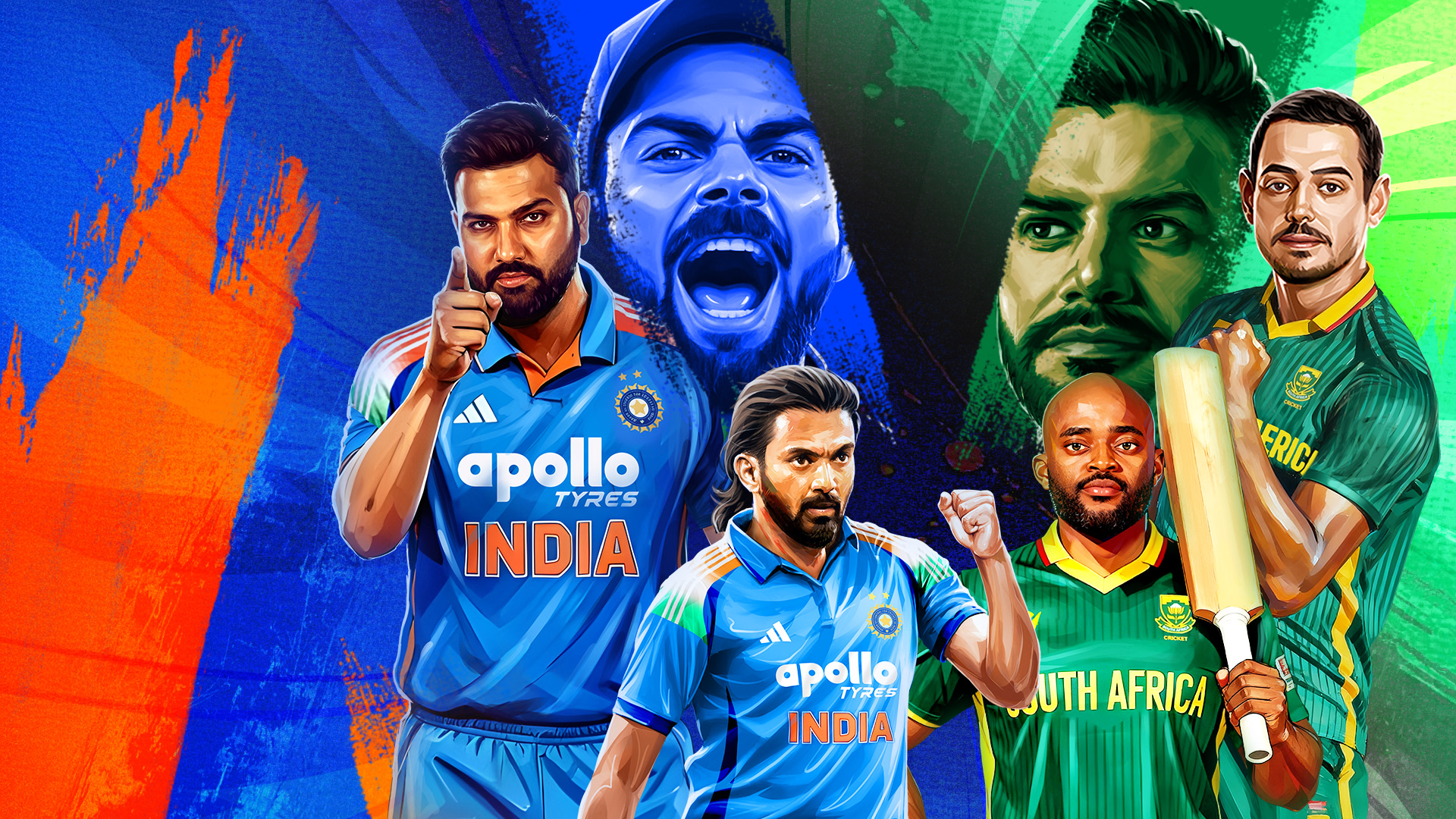
India’s victory in the 2024 T20 World Cup final and South Africa’s convincing response during their 2026 tournament encounter demonstrate the unpredictable nature of this format. A strong batting lineup can struggle against disciplined bowling, while an apparently difficult target can become achievable through intelligent partnerships. Modern T20 cricket requires players to balance aggressive intent with situational awareness. Teams that recognise when to accelerate, rebuild, or change their bowling plans often gain an important competitive advantage.
Key Strengths of the Indian Cricket Team
India’s cricketing success is supported by a vast domestic cricket structure and a continuous supply of talented young players. Competitive tournaments provide emerging cricketers with opportunities to develop their abilities against experienced professionals. This environment helps prepare players for the demands of international competition.
Some important strengths of Indian cricket include:
-
Technically skilled batters capable of building substantial innings.
-
Experienced fast bowlers and versatile spin-bowling options.
-
Strong domestic cricket and player development systems.
-
Flexible batting combinations across international formats.
-
Experienced players who understand high-pressure tournament situations.
India’s ability to develop multiple players for similar roles also provides valuable squad flexibility. However, maintaining consistency against quality pace bowling and avoiding sudden batting collapses remain important areas of improvement. Successful teams must continue developing their skills rather than relying solely on previous achievements.
South Africa’s Strengths and Competitive Advantages
South Africa has traditionally produced exceptional fast bowlers, powerful batters, and outstanding fielders. Its domestic cricket system encourages players to develop techniques suitable for pitches offering movement and bounce. These experiences help South African cricketers compete effectively in demanding international conditions.
The team’s competitive advantages include:
-
Fast bowlers capable of generating bounce and movement.
-
Powerful middle-order batters with strong finishing abilities.
-
Athletic fielders who help prevent unnecessary runs.
-
Increasing adaptability to spin-friendly overseas conditions.
-
Experienced all-rounders who provide tactical flexibility.
South Africa’s victory in the 2025 ICC World Test Championship final against Australia represented an important achievement for the country’s cricketing development. Its subsequent Test series success in India further demonstrated its competitive progress. Continued investment in player development and tactical preparation could strengthen its position in future international competitions.
Players Who Have Shaped the Cricketing Rivalry
Throughout the history of the India vs South Africa rivalry, numerous cricketers have produced performances that remain memorable for supporters. Sachin Tendulkar’s batting excellence, Jacques Kallis’s all-round abilities, and Dale Steyn’s aggressive fast bowling helped establish high standards during previous generations.
Modern players have introduced different dimensions to the contest. Jasprit Bumrah’s bowling accuracy, Hardik Pandya’s all-round capabilities, Heinrich Klaasen’s explosive batting during his international career, and Kagiso Rabada’s fast-bowling skills have contributed to compelling encounters. Emerging players are also gaining experience through domestic competitions and international opportunities. As established cricketers retire or change their involvement across formats, younger players must assume greater responsibilities. This generational transition creates fresh opportunities for both national teams while maintaining the competitive spirit established by earlier cricketing legends.
The Influence of Pitch and Weather Conditions
Playing conditions significantly influence the outcome of international cricket matches. A pitch offering early movement may provide fast bowlers with opportunities to secure quick wickets, whereas dry surfaces can encourage spin bowlers to play a more influential role. Temperature, humidity, wind, and evening dew may also affect bowling accuracy and batting decisions.
For example, a team batting second during an evening limited-overs match may benefit from dew if bowlers struggle to grip the ball. However, scoreboard pressure and disciplined bowling can still make chasing difficult. Captains must assess these conditions before making decisions about batting orders and bowling combinations. The growing ability of both India and South Africa to adjust their strategies across different venues demonstrates how international cricket has evolved beyond traditional assumptions about home and away advantages.
Batting Strategies and the Importance of Partnerships
Strong batting partnerships often determine whether a cricket team establishes a competitive total or struggles to recover from early wickets. Both India and South Africa recognise the importance of combining aggressive scoring with responsible decision-making. Effective batters understand when to attack particular bowlers and when to prioritise maintaining their wickets.
In an ODI match, for instance, losing several early wickets may require experienced middle-order players to rebuild before increasing the scoring rate. In T20 cricket, rebuilding must occur more quickly because fewer deliveries are available. Test cricket requires even greater patience, particularly when facing challenging bowling conditions. Successful partnerships also reduce pressure on incoming batters and create opportunities to exploit weaker bowling options. Developing reliable batting combinations remains essential for both nations across international formats.
Bowling Tactics That Can Change Match Outcomes
Bowling remains a decisive factor in the India vs South Africa contest. Modern bowlers must combine technical accuracy with intelligent planning to challenge batters who increasingly use innovative scoring techniques. Variations in pace, length, movement, and delivery angles can prevent opponents from settling into comfortable scoring patterns.
Fast bowlers frequently target early wickets to disrupt opening partnerships, while spin bowlers may focus on controlling scoring opportunities during the middle overs. In limited-overs cricket, specialist death-over bowlers attempt to prevent aggressive finishing performances. However, successful bowling requires effective support from fielders and captains. A well-executed field placement can turn a controlled delivery into a wicket-taking opportunity. Both teams continue developing specialised bowling resources to manage different match situations more effectively.
The Role of Fitness and Fielding Standards
Fielding has become an increasingly important aspect of modern international cricket. A successful catch, accurate throw, or well-timed boundary save can significantly influence the outcome of a closely contested match. South Africa has long maintained a strong reputation for athletic fielding, while India has invested heavily in improving fitness and fielding standards.
Professional cricketers now follow structured training programmes designed to improve agility, endurance, flexibility, and recovery. These programmes help players maintain performance levels during demanding international schedules. Fitness also supports better running between the wickets and allows bowlers to maintain their effectiveness during longer spells. As margins between competitive teams become smaller, maintaining high fielding standards can provide an important advantage that extends beyond traditional batting and bowling statistics.
How Technology Is Transforming Cricket Preparation
Technology has introduced significant improvements to international cricket preparation. Coaching teams can study detailed match footage, evaluate scoring patterns, identify technical weaknesses, and examine how individual players respond to different bowling styles. These insights support more informed tactical decisions before and during matches.
Both national teams can benefit from performance tracking, video analysis, ball-tracking information, and workload monitoring. For example, coaches may identify a batter’s difficulties against deliveries outside the off stump or discover patterns in a bowler’s performance during pressure situations. Players can then develop specific training routines to address these challenges. Nevertheless, technology cannot replace experience, instinct, or sound judgement. The most effective cricketing strategies combine analytical information with practical understanding of the game.
The Importance of Leadership During Pressure Situations
Captaincy becomes particularly influential when two evenly matched cricket teams compete. Captains must make decisions regarding bowling changes, field placements, batting orders, and the management of player confidence. These responsibilities become more challenging when matches enter uncertain or high-pressure situations.
The India vs South Africa rivalry provides numerous examples of how tactical decisions can influence results. A timely bowling change may interrupt a dangerous partnership, while an aggressive field placement can create wicket-taking opportunities. Effective leaders must also remain flexible when their initial plans fail. Supporting younger players, maintaining communication, and encouraging disciplined performances are equally important aspects of captaincy. Teams with clear leadership structures often find it easier to respond positively when momentum shifts unexpectedly.
Domestic Cricket and the Development of Future Stars
Domestic competitions play a vital role in preparing players for international cricket. India’s Ranji Trophy, Vijay Hazare Trophy, Syed Mushtaq Ali Trophy, and Indian Premier League provide different opportunities for technical development and competitive exposure. South Africa’s domestic competitions and SA20 tournament similarly contribute to developing professional players.
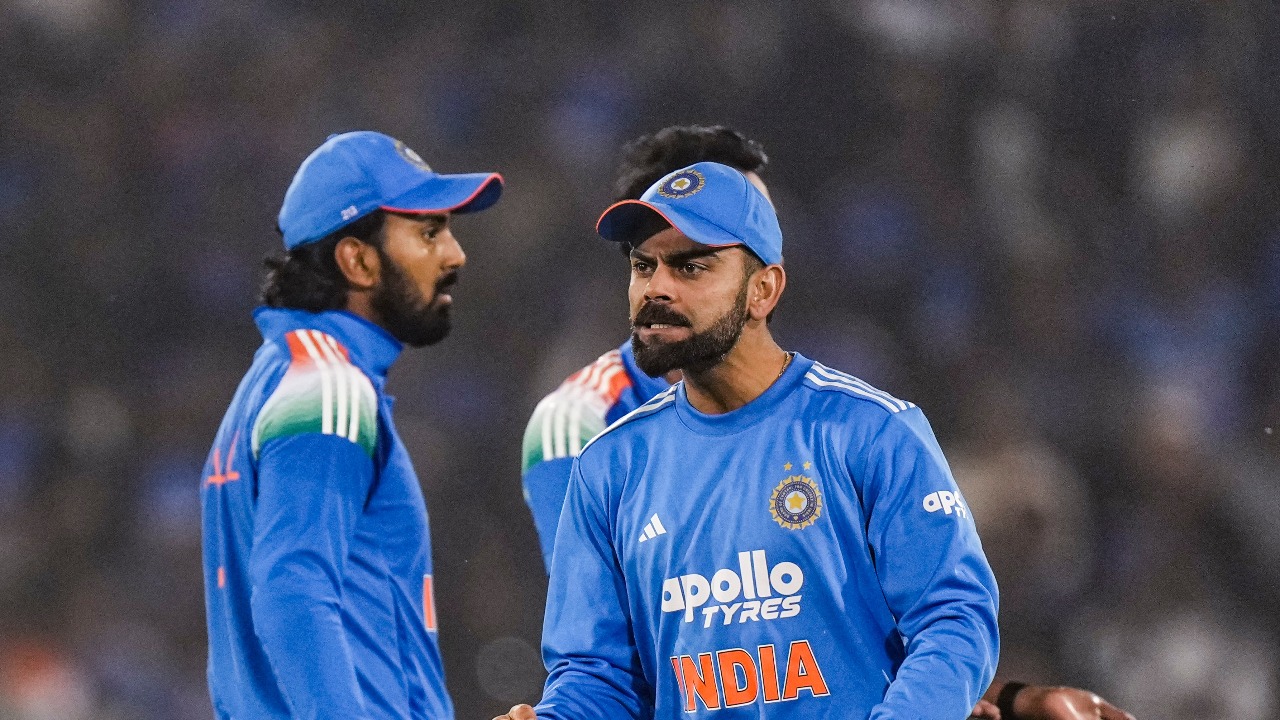
Franchise cricket also allows Indian and South African players to share dressing rooms, exchange experiences, and learn from different coaching philosophies. This exposure can improve their understanding of international opponents and accelerate professional development. However, balancing franchise commitments with national responsibilities remains an important challenge. Cricket administrators must manage player workloads carefully while ensuring that domestic first-class competitions continue producing technically capable Test cricketers.
Future Prospects for Both Cricketing Nations
The future of this cricket rivalry appears promising as both countries continue investing in infrastructure, coaching, and youth development. Emerging players are receiving greater opportunities to compete professionally, while experienced cricketers provide valuable guidance during transitional periods.
Preparations for the 2027 ODI World Cup and the continuing World Test Championship cycle create important objectives for both teams. India will aim to strengthen its performances in challenging conditions, while South Africa will seek to maintain its recent progress and achieve greater consistency in major competitions. Strategic squad selection, injury management, and format-specific preparation will influence their future achievements. Supporters can expect competitive encounters as both nations continue developing their cricketing identities.
Why Cricket Fans Enjoy This Rivalry
The appeal of India vs South Africa extends beyond match results and tournament standings. Cricket enthusiasts appreciate the combination of technical batting, aggressive bowling, competitive fielding, and unpredictable match situations. Each encounter offers opportunities for individual brilliance and collective achievement.
The rivalry also connects supporters across different cultures and generations. Experienced fans remember performances from earlier decades, while younger audiences enjoy the excitement of modern T20 cricket. Social media discussions, fantasy cricket platforms, and detailed match coverage have further increased public engagement. Regardless of the format, encounters between these teams continue attracting attention because neither side can comfortably underestimate the other.
Frequently Asked Questions
1. When did India and South Africa first play international cricket?
India and South Africa first competed against each other in international cricket in November 1991, when South Africa returned to the international cricketing community. India hosted the historic ODI series, establishing the foundation for their modern rivalry.
2. Who won their 2026 T20 World Cup encounter?
South Africa defeated India by 76 runs on February 22, 2026, during the Super Eight stage in Ahmedabad. South Africa scored 187 for seven, while India was dismissed for 111.
3. Who won the Test series between these teams in 2025?
South Africa won the two-match Test series in India by a 2–0 margin in November 2025. It secured victories in Kolkata and Guwahati, demonstrating impressive adaptability to Indian conditions.
4. Which team won the 2024 T20 World Cup final?
India defeated South Africa by seven runs in the 2024 ICC Men’s T20 World Cup final in Barbados. The closely contested match featured an impressive late comeback from the Indian bowling attack.
5. Why are matches between these two nations so competitive?
Both countries possess talented players, strong domestic cricket systems, experienced coaching teams, and different tactical strengths. Their ability to challenge each other across multiple formats makes their encounters highly competitive.
6. Which cricket format is most challenging for these teams?
Test cricket is generally considered the most technically demanding format because it requires prolonged concentration, patience, physical endurance, and adaptability. However, ODI and T20 cricket present different challenges involving scoring rates and tactical decision-making.
7. What makes South African fast bowling effective?
South African fast bowlers often combine natural pace, bounce, movement, and disciplined bowling lengths. Experience on demanding domestic pitches also helps them develop techniques that challenge international batters.
8. How does India develop young cricketing talent?
India develops emerging players through domestic tournaments, professional academies, age-group competitions, franchise cricket, and national training programmes. These opportunities help young cricketers gain experience before entering international competition.
Conclusion
The India vs South Africa cricket rivalry continues to represent an exciting combination of sporting history, technical excellence, tactical innovation, and international competition. Both nations have experienced remarkable victories and challenging defeats that have contributed to their development as competitive cricketing teams.
Recent encounters demonstrate that success depends on preparation, adaptability, teamwork, and effective decision-making rather than reputation alone. South Africa’s impressive Test series performance in 2025 and its significant T20 World Cup victory against India in 2026 reflect the changing competitive landscape of international cricket.
As both countries develop emerging players and prepare for future championships, their rivalry is expected to produce more memorable performances. For cricket enthusiasts, every encounter offers another opportunity to witness exceptional talent, strategic competition, and the unpredictable excitement that makes international cricket such a popular global sport.