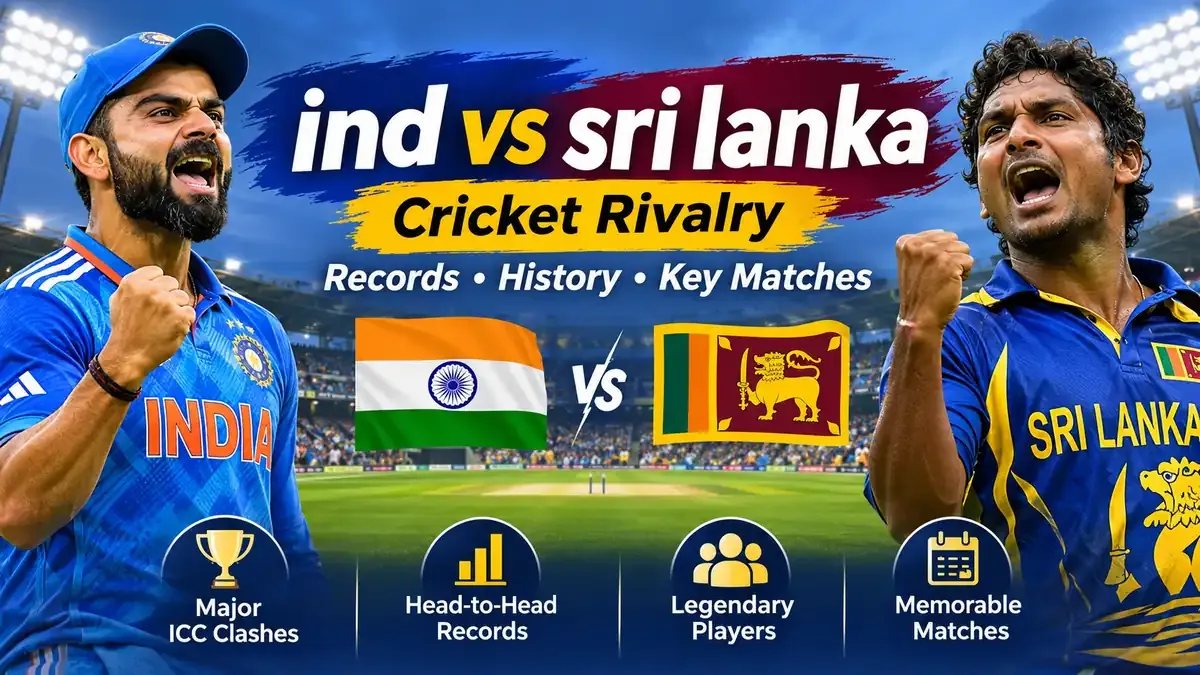
Cricket is more than a sporting event in India and Sri Lanka. It represents passion, national pride, entertainment and an emotional connection shared by millions of supporters. Whenever these two Asian cricketing nations meet, fans witness a fascinating combination of technical excellence, strategic planning and competitive performances. The india vs sri lanka rivalry has produced remarkable moments across Test cricket, One Day Internationals and Twenty20 matches.
Over the years, both countries have experienced significant changes in their cricketing journeys. India has developed into a global cricket powerhouse with impressive squad depth, while Sri Lanka continues to build a competitive team through experienced professionals and emerging young talent. Their encounters demonstrate how preparation, adaptability and individual brilliance can influence the outcome of international matches.
In 2026, the rivalry remains relevant as international cricket continues to evolve. Modern batting techniques, advanced performance analysis, innovative bowling strategies and changing team combinations have introduced new dimensions to this traditional Asian cricket contest. Understanding its history, memorable encounters and current challenges offers a deeper appreciation of the competition.
The History of the Cricket Rivalry Between Both Nations
The cricketing relationship between India and Sri Lanka began long before modern franchise tournaments transformed international cricket. Sri Lanka gradually established itself as a competitive cricketing nation after receiving Test status in 1981. Its emergence introduced a new level of competition within Asian cricket, where India and Pakistan were already influential teams.
During the 1990s, Sri Lanka became internationally recognised for its fearless batting approach and intelligent bowling combinations. Players such as Sanath Jayasuriya, Aravinda de Silva and Muttiah Muralitharan helped transform the country’s cricketing identity. Meanwhile, India developed its own generation of exceptional players, including Sachin Tendulkar, Sourav Ganguly and Rahul Dravid. Encounters between these talented teams regularly produced unpredictable results, establishing a rivalry that continues to attract considerable attention.
Latest Cricket Updates and Current Scenario in 2026
The india vs sri lanka rivalry entered another interesting chapter in 2026. India continues to focus on maintaining consistency across international formats, while Sri Lanka is working towards strengthening its batting combinations, bowling resources and overall squad balance. Both countries also co-hosted the 2026 ICC Men’s T20 World Cup, highlighting their importance in international cricket.
During August 2026, India toured Sri Lanka for a two-match Test series. India secured a 165-run victory in the opening Test, while the second encounter ended in a draw, giving India a 1–0 series victory. Attention has now shifted towards the upcoming limited-overs series scheduled for December 2026 in India. These matches will provide both teams with opportunities to evaluate their white-ball combinations and prepare for future international competitions.
Upcoming Bilateral Cricket Series in December 2026
As of November 28, 2026, Sri Lanka is scheduled to visit India for three One Day Internationals and three Twenty20 Internationals. The opening ODI is scheduled for December 13 in Visakhapatnam after the original venue in Delhi was changed. Bengaluru and Ahmedabad are scheduled to host the remaining ODI matches.
The T20I series is scheduled to begin on December 22, with Rajkot, Cuttack and Pune selected as host cities. The final T20I is scheduled for December 27. These upcoming encounters are particularly important as India and Sri Lanka continue preparations for the 2027 ODI World Cup and longer-term international assignments. Team selections, player availability and match conditions could significantly influence the series.
Recent Match Results and Major Cricket Encounters
The recent performances of both teams demonstrate how quickly momentum can change in international cricket. India has enjoyed considerable success in several encounters, but Sri Lanka has also delivered impressive performances, particularly in home conditions.
| Match Date | Competition | Format | Result |
|---|---|---|---|
| July 30, 2024 | Bilateral Series | T20I | India won in Super Over |
| August 2, 2024 | Bilateral Series | ODI | Match tied |
| August 4, 2024 | Bilateral Series | ODI | Sri Lanka won by 32 runs |
| August 7, 2024 | Bilateral Series | ODI | Sri Lanka won by 110 runs |
| September 26, 2025 | Asia Cup | T20I | India won in Super Over |
| August 15, 2026 | Bilateral Series | Test | India won by 165 runs |
| August 23, 2026 | Bilateral Series | Test | Match drawn |
| October 1, 2026 | Asian Games | Men’s T20I | India won by 124 runs |
These results highlight the competitive nature of the rivalry across different tournaments and formats. Sri Lanka’s ODI series victory in 2024 demonstrated its ability to challenge stronger opposition, while India’s subsequent performances reflected its adaptability and squad depth.
Test Cricket: A Battle of Patience and Technical Excellence
Test cricket offers a completely different experience compared with limited-overs competitions. Players must demonstrate patience, concentration, defensive techniques and exceptional decision-making over several days. India has historically maintained a stronger overall record against Sri Lanka in this format, benefiting from experienced batting lineups and effective bowling combinations.
However, Sri Lankan pitches frequently introduce significant challenges for visiting teams. Dry surfaces can become increasingly difficult to bat on as matches progress, allowing spin bowlers to create opportunities. The india vs sri lanka Test rivalry demonstrates the importance of building long partnerships, rotating the strike and understanding changing pitch conditions. Even experienced international players can struggle when facing accurate spin bowling on deteriorating surfaces.
One Day International Cricket and Strategic Competition
One Day Internationals have contributed significantly to the popularity of this Asian cricket rivalry. The 50-over format requires teams to balance aggressive batting with careful innings management. Unlike T20 cricket, where immediate scoring often takes priority, ODI matches reward consistency, partnerships and intelligent resource management throughout the innings.
India generally benefits from a strong batting structure capable of constructing competitive totals and successfully chasing challenging targets. Sri Lanka frequently relies on disciplined bowling, tactical field placements and effective middle-over performances. Its 2024 home ODI series victory demonstrated how intelligent spin bowling and consistent pressure can disrupt even an experienced batting lineup. Such performances remind cricket enthusiasts that historical dominance does not automatically guarantee future success.
Twenty20 Cricket and the Changing Nature of Competition
Twenty20 cricket has transformed the way international teams approach batting and bowling. Players are encouraged to take calculated risks, develop innovative shots and maintain aggressive scoring rates from the opening overs. India has benefited significantly from its domestic franchise cricket structure, which regularly introduces talented players to high-pressure situations.
Sri Lanka has also developed several promising T20 specialists capable of delivering impactful performances. The india vs sri lanka encounters in this format frequently feature aggressive opening partnerships, creative bowling variations and dramatic finishes. The tied Asia Cup encounter in September 2025, which India eventually won through a Super Over, demonstrated how closely contested matches can become when both teams execute their strategies effectively.
Memorable World Cup Encounters Between Both Teams
World Cup matches between India and Sri Lanka have created some of the most unforgettable moments in international cricket history. Their meetings have often involved enormous expectations, particularly when qualification or championship opportunities were at stake.
The Historic 1996 World Cup Semifinal
The 1996 Cricket World Cup semifinal remains an important chapter in the history of both nations. Sri Lanka delivered a strong performance against India at Eden Gardens in Kolkata. India’s batting collapse and crowd disturbances eventually resulted in the match being awarded to Sri Lanka.
Sri Lanka subsequently won the tournament, defeating Australia in the final. This achievement established the country as a major force in international cricket and demonstrated how innovative batting strategies could challenge traditional approaches.
The Unforgettable 2011 World Cup Final
The 2011 ICC Cricket World Cup final at Mumbai’s Wankhede Stadium remains one of the most celebrated encounters between these teams. Sri Lanka posted a competitive total of 274 runs for the loss of six wickets, supported by an outstanding century from Mahela Jayawardene.
India successfully chased the target, with Gautam Gambhir contributing 97 runs and MS Dhoni remaining unbeaten on 91. Dhoni’s match-winning six became an iconic moment in cricket history. The victory ended India’s 28-year wait for another ODI World Cup championship.
Legendary Indian Cricketers Who Shaped the Rivalry
Several Indian cricket legends have contributed to the popularity and competitive intensity of this rivalry. Sachin Tendulkar consistently challenged Sri Lankan bowlers through his exceptional technique and ability to construct lengthy innings. Virender Sehwag introduced an aggressive batting approach, placing opposition bowlers under immediate pressure.
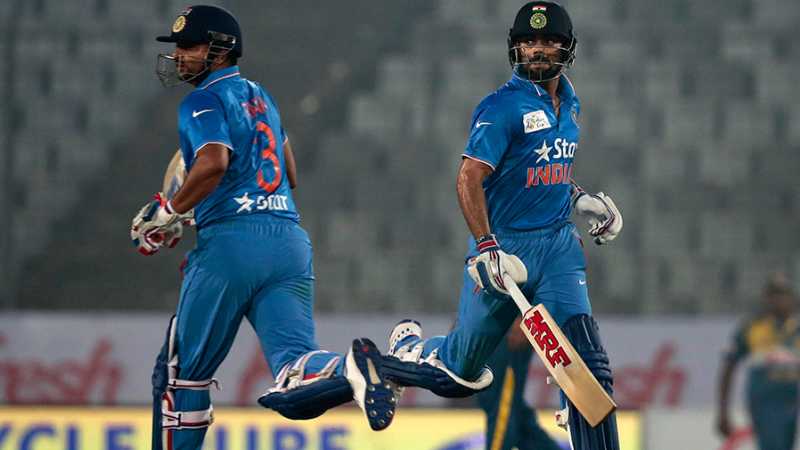
MS Dhoni contributed through intelligent captaincy, calm decision-making and exceptional finishing abilities. Virat Kohli subsequently became another influential figure through his consistency in run chases and outstanding batting performances. These players helped establish high standards for future Indian cricketers while creating memorable experiences for supporters across both countries.
Sri Lankan Cricket Legends and Their Contributions
Sri Lanka has produced internationally respected cricketers whose performances significantly influenced this rivalry. Sanath Jayasuriya revolutionised limited-overs opening batting through aggressive stroke play, challenging conventional strategies during the early stages of an innings.
Kumar Sangakkara and Mahela Jayawardene demonstrated exceptional consistency, technical ability and partnership-building skills. Muttiah Muralitharan troubled international batters with his remarkable spin bowling, while Lasith Malinga introduced devastating yorkers and unconventional bowling techniques. Their achievements ensured that the india vs sri lanka rivalry remained competitive and entertaining across multiple generations of international cricket.
Modern Indian Cricket and Emerging Talent
India’s contemporary cricket structure provides considerable opportunities for young players to develop their abilities. Domestic competitions, international tours and the Indian Premier League allow emerging cricketers to gain valuable experience before representing the national team.
Players such as Shubman Gill, Yashasvi Jaiswal and Abhishek Sharma represent different approaches to modern batting. Meanwhile, established bowling talents such as Jasprit Bumrah and Kuldeep Yadav demonstrate the importance of precision, variation and adaptability. India’s ability to select players according to format-specific requirements provides flexibility when preparing for international competitions.
Sri Lanka’s Rebuilding Process and Emerging Players
Sri Lanka has experienced several transitional periods following the retirement of its legendary cricketers. Replacing internationally successful players requires patience, investment in domestic cricket and consistent opportunities for promising young talent.
Cricketers such as Pathum Nissanka, Kusal Mendis, Kamindu Mendis and Charith Asalanka have demonstrated their potential through international performances. Bowling talents such as Wanindu Hasaranga and Maheesh Theekshana offer valuable variation in limited-overs cricket. Developing greater consistency across batting, bowling and fielding remains an important priority for Sri Lanka as it prepares for future global tournaments.
How Pitch Conditions Influence Match Results
Playing conditions significantly influence the strategies adopted by both countries. Indian cricket grounds offer diverse surfaces, ranging from high-scoring batting pitches to challenging tracks that provide assistance to spin bowlers. Some venues also offer early movement for fast bowlers, creating difficult situations for opening batters.
Sri Lankan pitches frequently reward bowlers who understand variations in pace, flight and turn. Humidity, rainfall and changing surface conditions can also influence match preparation. Successful teams generally assess the available conditions before deciding their batting order, bowling combinations and overall tactical approach. A well-balanced team must possess the flexibility to perform effectively regardless of the venue.
Important Factors That Could Determine Future Results
Predicting the outcome of an india vs sri lanka encounter requires examining more than historical statistics. Several performance-related factors can influence results, particularly when matches are played under unfamiliar conditions.
-
Opening batting partnerships and powerplay performances.
-
Effectiveness of spin bowling during the middle overs.
-
Ability to manage pressure during challenging run chases.
-
Fielding accuracy and catching consistency.
-
Player fitness, availability and tactical flexibility.
These factors frequently become decisive when two competitive international teams meet. A dropped catch, unsuccessful bowling change or poorly timed attacking shot can completely transform the direction of a match.
The Importance of Spin Bowling in Asian Cricket
Spin bowling has traditionally played a central role in matches between these two countries. Both nations possess extensive experience playing on surfaces that assist slower bowlers. However, successfully facing high-quality international spin requires exceptional footwork, concentration and the ability to identify variations.
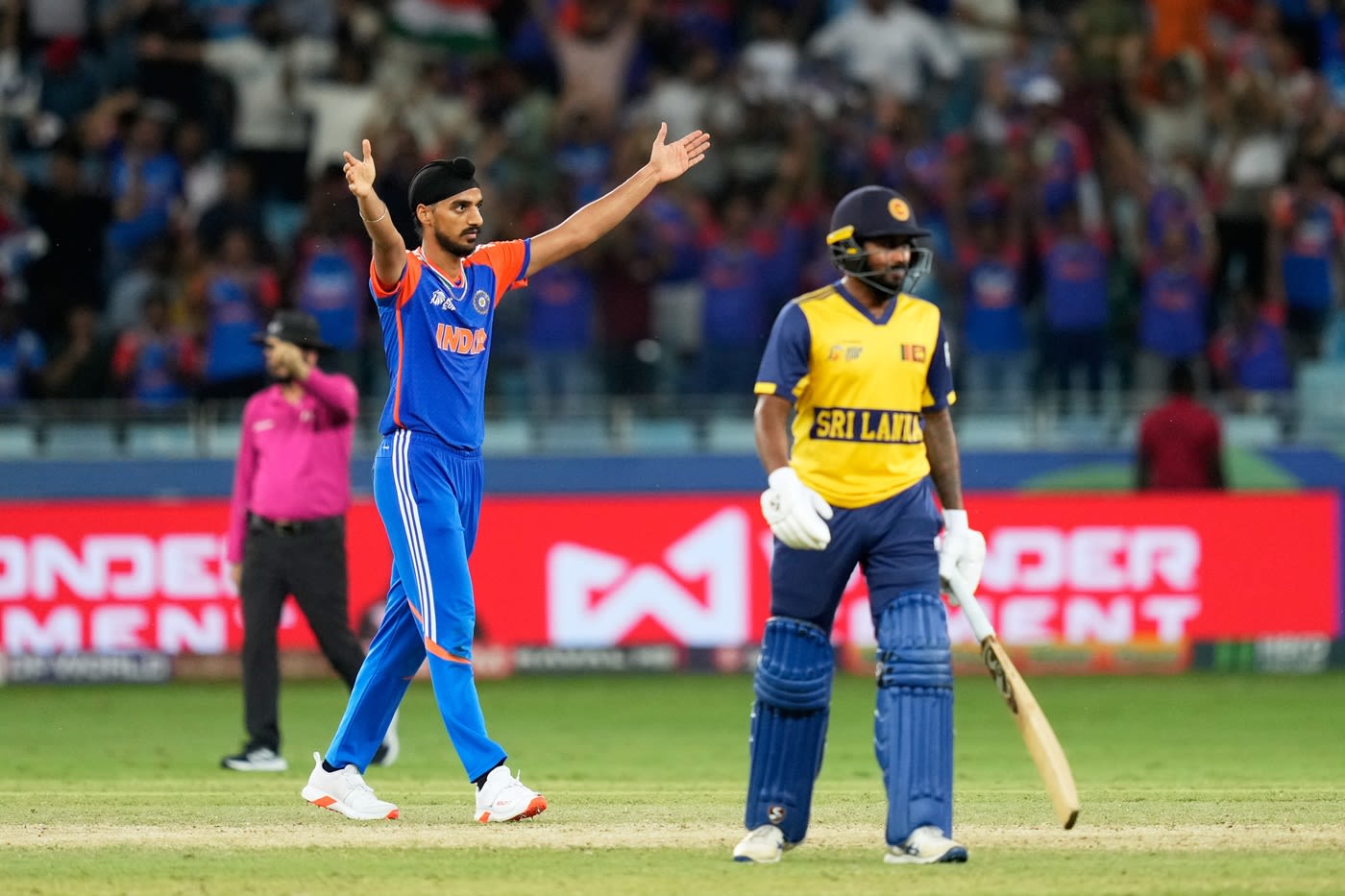
Indian and Sri Lankan bowlers frequently use changes in flight, speed and delivery angles to create uncertainty. Leg-spin, off-spin and left-arm orthodox bowling offer different challenges to opposing batters. Teams capable of maintaining scoring opportunities against spin without losing unnecessary wickets often gain a considerable advantage, particularly during ODI and Test matches.
Technology and Modern Cricket Strategies
Technology has become an increasingly important component of international cricket preparation. Coaching departments now analyse player statistics, opposition weaknesses, bowling patterns and scoring opportunities before developing match strategies.
The modern india vs sri lanka rivalry benefits from performance analysis tools that help players understand their strengths and identify areas requiring improvement. Video analysis allows batters to study unfamiliar bowling actions, while bowlers can identify weaknesses in opposition techniques. Technologies such as the Decision Review System also support more accurate umpiring decisions and introduce an additional strategic element for team captains.
Economic and Cultural Importance of the Rivalry
Cricket matches between these neighbouring countries generate significant interest among broadcasters, advertisers, sponsors and tourism businesses. International fixtures encourage spectators to attend stadiums, purchase merchandise and participate in cricket-related entertainment.
The rivalry also represents a valuable cultural connection between India and Sri Lanka. Despite differences in language and regional traditions, cricket provides a shared platform for celebration and sporting competition. Social media has strengthened this connection by allowing supporters to discuss performances, exchange opinions and celebrate memorable achievements instantly. These interactions help maintain enthusiasm even between international series.
Future Expectations and Preparation for Global Tournaments
Looking beyond 2026, both countries face important opportunities to strengthen their international cricket performances. The 2027 ODI World Cup provides a major incentive to develop reliable batting combinations, effective bowling partnerships and adaptable squad structures.
India will look to maintain its competitive standards while managing experienced players and introducing emerging talent. Sri Lanka will aim to improve consistency, strengthen its middle-order batting and build greater confidence in overseas conditions. Future encounters will provide valuable opportunities for both coaching teams to identify weaknesses and assess their progress before major international competitions.
Frequently Asked Questions
1. Which team has a better overall cricket record?
India has historically maintained a stronger overall head-to-head record against Sri Lanka across Tests, ODIs and T20Is. However, Sri Lanka has achieved several important victories, particularly in home conditions and major international tournaments.
2. When is the next match between India and Sri Lanka?
As of November 28, 2026, the next scheduled men’s senior bilateral encounter is an ODI on December 13, 2026, in Visakhapatnam. The schedule remains subject to official changes.
3. Who won the 2011 Cricket World Cup final?
India defeated Sri Lanka by six wickets in the 2011 ICC Cricket World Cup final at Wankhede Stadium in Mumbai. MS Dhoni and Gautam Gambhir played crucial roles in India’s successful run chase.
4. Who won the 2026 Test series between both countries?
India won the two-match Test series against Sri Lanka in August 2026 by a margin of 1–0 after winning the opening match and drawing the second encounter.
5. Why is Sri Lanka difficult to defeat at home?
Sri Lanka benefits from familiarity with local pitch conditions, experienced spin bowlers and tactical knowledge of its cricket grounds. Visiting teams frequently face challenges when adjusting to turning surfaces.
6. Did Sri Lanka defeat India in the 2024 ODI series?
Yes, Sri Lanka won the three-match ODI series against India in August 2024 by 2–0. The opening encounter ended in a tie, while Sri Lanka won the remaining two matches.
7. What makes this cricket rivalry special?
The rivalry combines historic World Cup encounters, legendary cricketers, contrasting playing styles and passionate supporters. Its competitive nature across multiple formats makes it particularly interesting for international cricket enthusiasts.
Conclusion
The india vs sri lanka cricket rivalry represents decades of competitive excellence, memorable achievements and continuous sporting development. From Sri Lanka’s remarkable 1996 World Cup triumph to India’s historic 2011 championship victory, encounters between these countries have contributed significantly to international cricket history.
In 2026, the rivalry continues to evolve through emerging players, advanced cricket strategies and increasing competition across international formats. The upcoming December series offers another opportunity for both nations to demonstrate their preparation, adaptability and determination. Although India maintains a stronger historical record, Sri Lanka possesses the talent and tactical capabilities to challenge its opposition.
Ultimately, this rivalry is about more than statistics and championship victories. It celebrates sporting passion, technical excellence, cultural connections and the enduring excitement of international cricket. Future encounters promise to introduce new heroes, memorable performances and compelling stories for generations of cricket supporters.