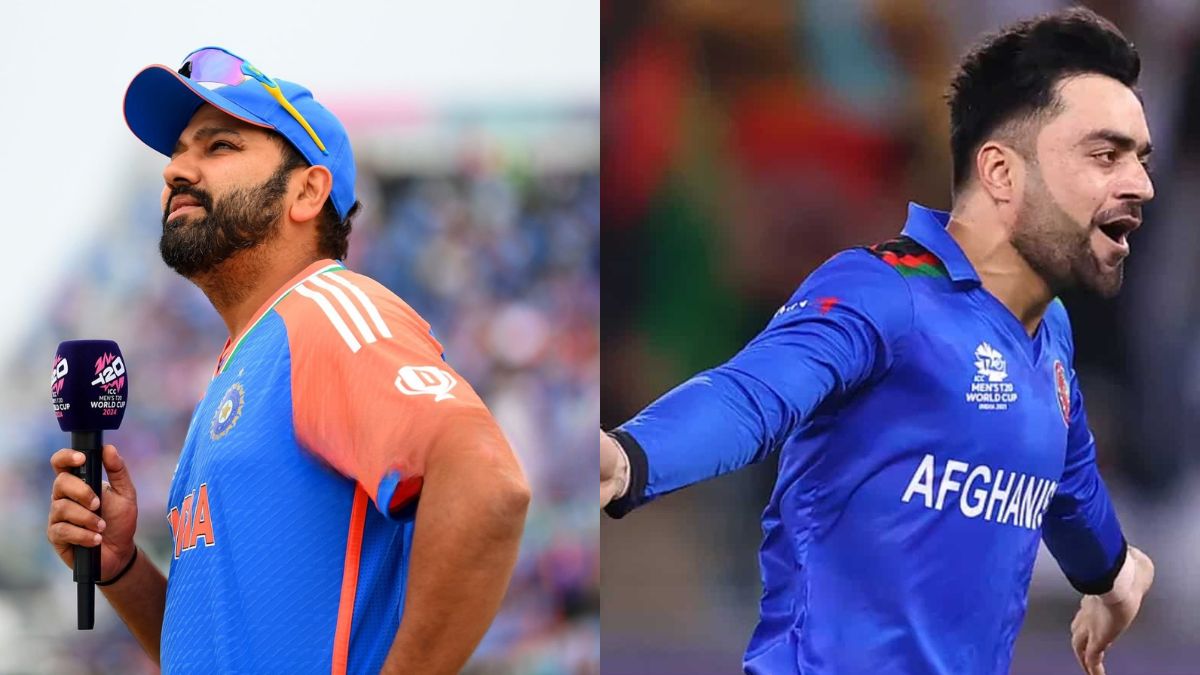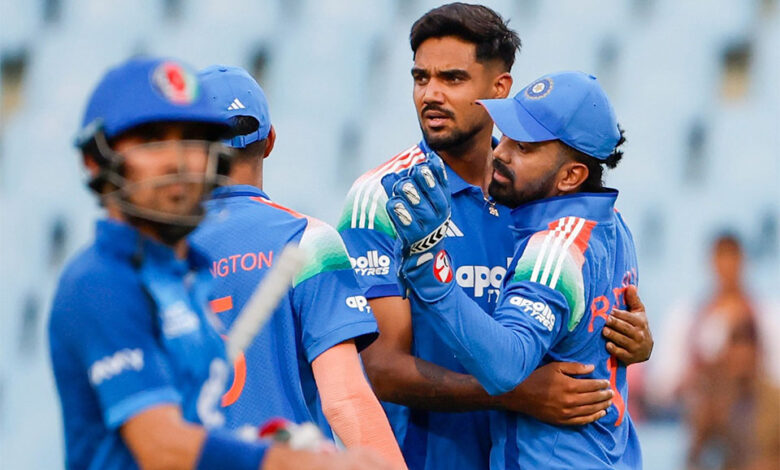
India vs Afghanistan is an exciting cricket matchup that has attracted growing attention from fans across the world. India has a long history of international cricket success, supported by experienced players, strong batting depth, and a well-established bowling attack. Afghanistan, meanwhile, has developed into a competitive international side known for its talented spin bowlers, aggressive batters, and fighting spirit. Whenever these teams meet, cricket followers look forward to powerful batting performances, tactical bowling, and memorable moments.
The india vs afghanistan cricket contest is particularly interesting because the two teams bring different strengths to the field. India generally benefits from its experience in high-pressure international matches, while Afghanistan often relies on its energetic approach and outstanding spin resources. Their encounters across formats provide valuable opportunities for emerging players and established stars to demonstrate their skills. From exciting T20 matches to the strategic challenges of One Day Internationals, this matchup offers something for every cricket enthusiast.
History of India vs Afghanistan Cricket Matches
India and Afghanistan have developed a competitive cricketing relationship as Afghanistan has progressed through international cricket. India has traditionally been one of the stronger teams in world cricket, with decades of experience in major tournaments. Afghanistan’s rise has been comparatively recent, but its rapid development has made the team a respected opponent, especially in limited-overs cricket.
Their early international meetings gave Afghanistan valuable experience against a team featuring some of the world’s leading cricketers. Over time, Afghanistan improved its batting techniques, fielding standards, and bowling strategies. Players such as Rashid Khan, Mohammad Nabi, and Rahmanullah Gurbaz have helped establish Afghanistan’s reputation as a dangerous opponent in white-ball cricket.
India has also used these contests to assess combinations, provide opportunities to different players, and prepare for larger international competitions. The teams’ meetings have highlighted how cricketing experience, individual talent, and match conditions can influence the final result. Although India has generally enjoyed the stronger overall record, Afghanistan’s progress means its performances should not be underestimated.
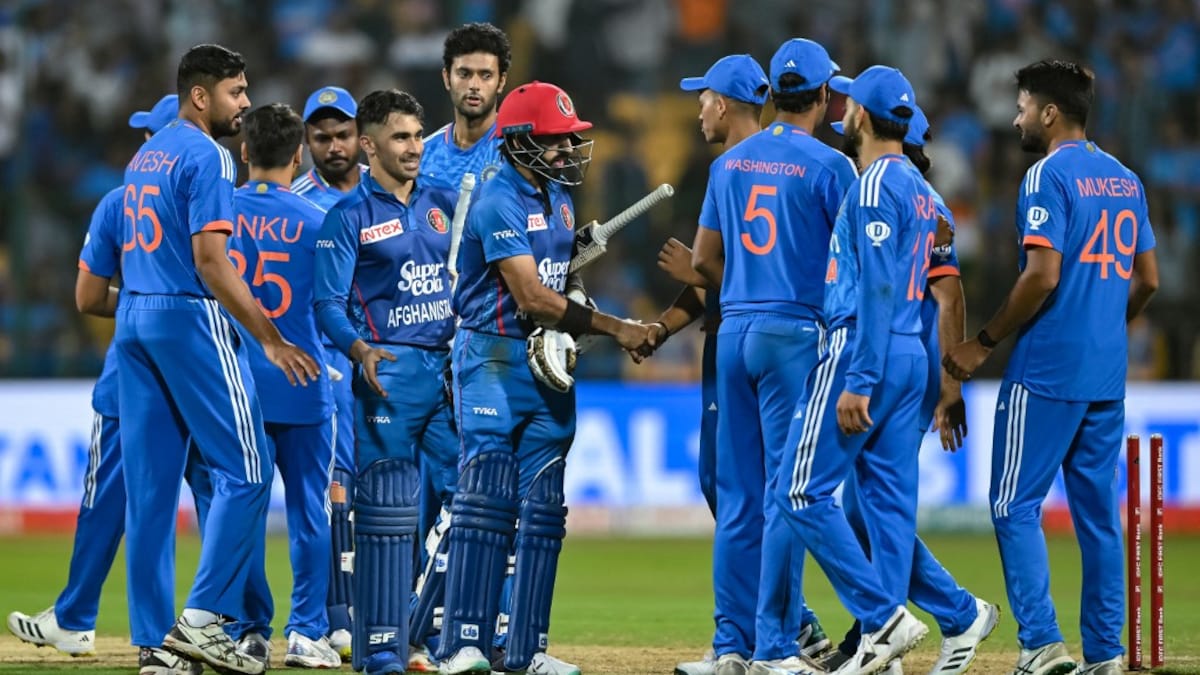
India vs Afghanistan in T20 International Cricket
T20 cricket is one of the most entertaining formats for this matchup because a short period of dominance can dramatically change the result. Batters must score quickly, bowlers need precise variations, and captains have to make tactical decisions within a limited number of overs. Both teams have players suited to these demands.
India can build a competitive total through a combination of aggressive opening batters, technically sound middle-order players, and powerful finishers. Its bowling resources can include fast bowlers who generate pace and spinners who control the middle overs. This flexibility helps India adapt to different opponents and playing conditions.
Afghanistan’s T20 strength often comes from its spin attack and fearless batting. Rashid Khan is widely recognised for his ability to bowl difficult overs, while other spinners can create pressure through changes in pace and trajectory. Afghanistan’s batters are capable of attacking from the beginning, making the team particularly dangerous when chasing a challenging target.
In india vs afghanistan T20 matches, the middle overs can become especially important. If India handles the spin attack effectively, it may gain control of the innings. If Afghanistan takes early wickets or restricts the scoring rate, it can create pressure and make the closing overs more difficult for India’s batters.
India vs Afghanistan in One Day International Cricket
One Day International cricket requires a balance between patience and aggression. Teams have more overs than in T20 cricket, allowing batters to build partnerships, recover from early setbacks, and accelerate later in the innings. Bowling sides must maintain discipline while finding opportunities to take wickets.
India’s ODI approach has historically benefited from strong batting depth and a variety of bowling options. The team can develop an innings through partnerships before increasing the scoring rate in the final overs. Its bowlers can combine pace, swing, seam movement, and spin depending on the pitch and weather conditions.
Afghanistan has become increasingly competitive in ODIs through disciplined bowling and improved batting performances. Its spin bowlers can be particularly effective on dry surfaces that provide grip and turn. The team’s batters have also shown the ability to build partnerships and challenge established sides in international tournaments.
The outcome of an ODI between these teams can depend on the first ten overs, the quality of middle-order partnerships, and the ability to control scoring during the final phase. Teams that preserve wickets while maintaining a healthy run rate often put themselves in a stronger position.
Key Players to Watch
Individual performances can shape the direction of any international cricket match. India’s squad selection varies by series and format, but several established players have contributed significantly to its recent cricketing success. Afghanistan also possesses players whose skills can influence the match in both batting and bowling.
Important Indian Players
- Rohit Sharma: An experienced batter known for his ability to produce major scores in limited-overs cricket.
- Virat Kohli: A technically accomplished batter recognised for consistency, chasing ability, and composure under pressure.
- Suryakumar Yadav: An inventive T20 batter capable of scoring through unconventional areas of the field.
- Hardik Pandya: An all-rounder who can contribute with aggressive batting and seam bowling.
- Jasprit Bumrah: A fast bowler known for his control, accuracy, and effectiveness in crucial overs.
The availability and selection of these players depend on the format, series schedule, fitness, and team management decisions.
Important Afghanistan Players
- Rashid Khan: A leading leg-spinner whose variations can challenge even experienced batters.
- Mohammad Nabi: An experienced all-rounder with a long history in international and franchise cricket.
- Rahmanullah Gurbaz: An attacking wicketkeeper-batter who can provide fast starts.
- Ibrahim Zadran: A top-order batter capable of building innings and scoring important runs.
- Fazalhaq Farooqi: A left-arm fast bowler who can create opportunities with swing and changes of pace.
These players illustrate the different resources available to both sides. Current squad announcements should always be checked before assuming that a particular player will participate in a match.
Head-to-Head Comparison
Comparing the teams across important cricketing areas helps explain why their matches can be tactically interesting. India generally has a deeper pool of international experience, while Afghanistan has developed specialist strengths that can trouble stronger opponents.
| Cricketing factor | India | Afghanistan |
|---|---|---|
| International experience | Extensive history at the highest level | Rapidly growing experience |
| Batting approach | Flexible, with depth across formats | Often aggressive, particularly in T20s |
| Bowling strengths | Pace, spin, and varied combinations | Notable spin resources and improving pace attack |
| Fielding | Strong athletic and tactical resources | Increasingly competitive fielding standards |
| Major advantage | Squad depth and experience | Spin threat and fearless play |
| Key challenge | Handling quality spin under pressure | Sustaining performance against deep batting lineups |
This comparison is a general overview rather than a prediction of a particular match. Team combinations, venue conditions, injuries, and recent form can change the balance considerably.
Match Conditions and Pitch Report
Pitch conditions can influence the strategies used by both teams. A dry surface may assist spinners, while a pitch with grass or moisture can offer movement to fast bowlers. Some venues produce high-scoring matches with short boundaries, whereas others reward batters who build their innings patiently.
When analysing an upcoming India versus Afghanistan match, fans should consider the following factors:
- Pitch behaviour: Determine whether the surface is likely to support spin, pace, or batting.
- Weather conditions: Cloud cover, humidity, and rain interruptions can affect playing conditions.
- Dew factor: Evening dew may make it harder for bowlers to grip the ball.
- Boundary dimensions: Short boundaries can favour aggressive batters.
- Toss decision: Captains may choose to bat or bowl first depending on the surface and expected conditions.
A pitch report should be based on information available close to match time. Previous matches at the same venue can provide context, but they do not guarantee an identical outcome.

Tactical Battle Between Batters and Bowlers
The contest between India’s batters and Afghanistan’s spinners is often one of the most closely watched aspects of this matchup. Batters need to rotate the strike, judge the length accurately, and avoid allowing pressure to build through consecutive dot balls. Using their feet, playing with a straight bat, and selecting scoring areas carefully can help them manage spin.
Afghanistan, on the other hand, can use changes in pace, flight, and angles to encourage mistakes. Its bowlers may target the stumps, vary their length, or set fields that make boundary scoring more difficult. Early wickets can be particularly valuable because they force new batters to adjust to the conditions.
India’s bowlers also have an important role to play. They must prevent Afghanistan’s aggressive batters from establishing momentum and avoid offering predictable deliveries. Pace variations, disciplined lines, and smart field placements can help limit scoring opportunities.
In close matches, the team that adapts faster to changing conditions often gains the advantage. Good execution matters as much as reputation, and a single partnership or bowling spell can transform the contest.
Memorable Performances and Tournament Importance
India and Afghanistan have met in several major international competitions, including the ICC Men’s Cricket World Cup and the ICC Men’s T20 World Cup. These occasions have helped increase interest in their cricketing rivalry and provided Afghanistan with opportunities to compete against established international teams.
India’s broader tournament experience gives it valuable knowledge of managing pressure, planning bowling rotations, and handling knockout-stage expectations. Afghanistan’s progress, however, demonstrates how a developing cricket nation can compete through specialist talent, preparation, and teamwork.
Fans should distinguish between historical performances and current form when assessing a future match. A player’s past success against a particular opponent can be useful context, but it cannot guarantee another strong performance. Recent scores, fitness, playing conditions, and the announced lineup provide a more complete picture.
How to Analyse an Upcoming Match
A useful match preview should consider more than team reputation. Before making an assessment, examine the latest squad announcements, the venue, the format, and the recent performances of important players.
The following checklist can help:
- Review the confirmed playing squads and injury updates.
- Compare recent batting performances and wicket-taking records.
- Assess how each team performs against spin and fast bowling.
- Consider the pitch report and likely weather conditions.
- Evaluate the toss and whether batting first or chasing may be advantageous.
- Review each team’s recent results in the same format.
- Consider the balance of specialist batters, all-rounders, and bowlers.
This approach encourages a more balanced understanding of the contest. It also helps readers separate verified information from speculation, especially when online discussions contain unconfirmed team news or predicted lineups.
Conclusion
India and Afghanistan offer an engaging cricket matchup shaped by contrasting strengths, talented players, and evolving international ambitions. India brings a long record of success, batting depth, and a broad range of bowling options. Afghanistan contributes impressive spin bowling, attacking batters, and a competitive attitude that has helped it develop into a respected international side.
The india vs afghanistan rivalry is interesting across T20 Internationals and ODIs because each format creates different tactical challenges. T20 matches reward quick decisions and explosive performances, while ODIs demand greater patience, partnership building, and strategic resource management. Pitch conditions, player availability, and recent form can influence the result as much as historical records.
For cricket fans, following team announcements, analysing key player matchups, and understanding the conditions can make every encounter more enjoyable. Regardless of the result, these contests showcase the international game’s growing depth and the excitement created when different cricketing styles meet on the field.