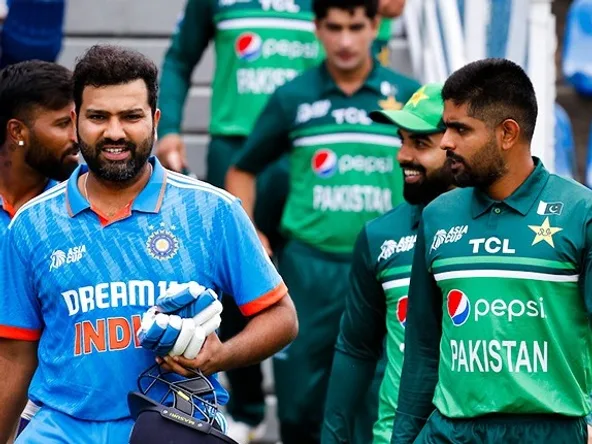
India vs Pakistan is one of the most widely followed rivalries in international cricket. Whenever these two teams meet, millions of fans tune in to watch a contest filled with excitement, pressure, skill and emotion. The rivalry extends beyond the boundary, bringing together sporting history, national pride and unforgettable cricketing moments. From dramatic finishes in One Day Internationals (ODIs) to intense battles in T20 Internationals and important encounters in Test cricket, matches between the two sides have produced memories that remain part of cricket history.
The popularity of these games comes from the quality of the players, the atmosphere created by supporters and the unpredictable nature of the competition. Experienced batters, fast bowlers, talented spinners and rising stars all have opportunities to make a lasting impression. For cricket lovers, understanding this rivalry means looking at its origins, major tournaments, legendary performances and the changing strengths of both teams.
History of the India vs Pakistan Cricket Rivalry
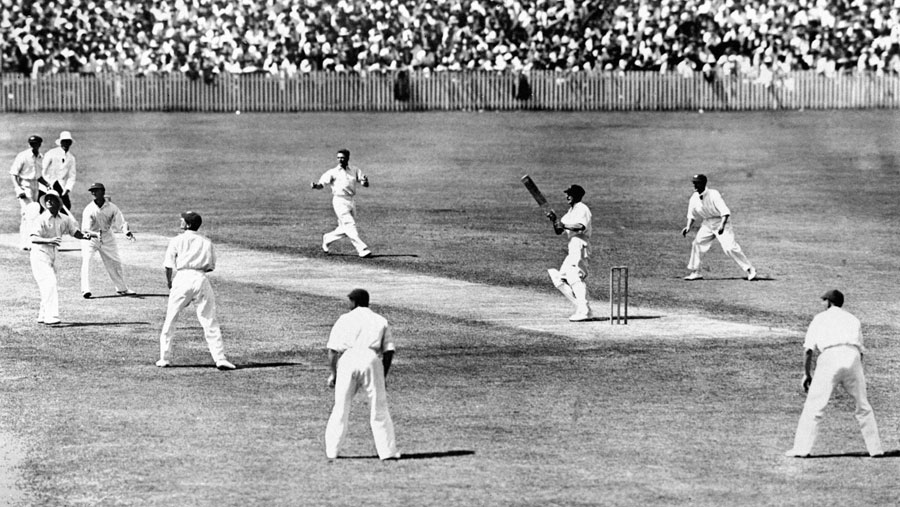
The cricket rivalry began in 1952, when Pakistan toured India for a series of Test matches. Since then, the two teams have competed in several formats and major international competitions. Their encounters have included historic Test series, memorable ODI contests and high-pressure matches at global tournaments. Over the decades, different generations of cricketers have contributed to the rivalry, giving fans new heroes and defining moments.
Political circumstances and diplomatic relations have sometimes affected bilateral cricket between the countries. As a result, matches have often taken place at multinational tournaments or neutral venues rather than through regular bilateral series. These circumstances have made many encounters especially anticipated, as opportunities to watch the teams play one another can be limited. Despite these challenges, cricket continues to provide a shared sporting stage where players compete according to the rules of the game and supporters celebrate their teams.
The history of this contest includes remarkable batting displays, outstanding bowling spells and matches decided by narrow margins. From traditional five-day cricket to modern limited-overs competitions, the rivalry has evolved alongside the sport itself. Each era has introduced new playing styles, tactical approaches and memorable individual achievements.
Memorable Matches Between India and Pakistan
Several matches between these teams have become unforgettable because of their importance, dramatic finishes and exceptional performances. The 2007 ICC World Twenty20 final is among the most celebrated encounters in their T20 history. India defeated Pakistan by five runs in Johannesburg, winning the inaugural tournament in a thrilling final. The match featured impressive contributions from several Indian players and a tense finish that kept spectators engaged until the final over.
Another iconic contest occurred during the 2011 ICC Cricket World Cup semifinal in Mohali. India defeated Pakistan by 29 runs to advance to the final, where India eventually won the World Cup. The semifinal attracted enormous attention because both teams were competing for a place in one of cricket’s biggest events.
The 2022 T20 World Cup match in Melbourne also delivered extraordinary drama. Virat Kohli played a remarkable innings, scoring an unbeaten 82 from 53 balls as India chased Pakistan’s target of 160. India won by four wickets on the final delivery, making the match a modern classic. Such encounters demonstrate how composure, decision-making and individual brilliance can determine the outcome of high-pressure games.

India vs Pakistan Head-to-Head Records
Head-to-head statistics help explain how the rivalry has developed across different formats. However, records must be considered separately because Test cricket, ODIs and T20 Internationals have different conditions, strategies and match durations. Historical results also reflect the strengths of teams from different generations.
| Cricket format | First official meeting | Key characteristic |
|---|---|---|
| Test cricket | 1952 | Patience, technique and endurance |
| One Day Internationals | 1978 | Batting partnerships and tactical bowling |
| T20 Internationals | 2007 | Aggressive batting and quick decision-making |
| ICC Cricket World Cup | 1992 | High-pressure tournament competition |
| ICC T20 World Cup | 2007 | Short-format drama and close finishes |
The teams have experienced different periods of dominance. Pakistan enjoyed considerable success in several earlier bilateral Test and ODI contests, while India developed a strong record against Pakistan in the men’s ODI Cricket World Cup. India has also won several important matches in major ICC tournaments. These records are specific to their respective competitions and should not be treated as proof that one team will win every future encounter.
For accurate comparisons, statistics should include the number of matches played, wins, losses, ties, draws and no-results. Test records must distinguish draws from limited-overs ties, while tournament statistics should identify the competition and date range being considered.
Legendary Players Who Shaped the Rivalry
Players from both countries have helped establish the rivalry’s reputation. Their performances have combined technical excellence, competitive determination and the ability to handle pressure in front of enormous audiences.
Indian legends such as Sachin Tendulkar, Rahul Dravid, Sourav Ganguly, MS Dhoni and Virat Kohli have produced important performances against Pakistan. Tendulkar’s batting was admired for its timing and control, while Dhoni brought leadership and calmness to important matches. Kohli has delivered several memorable innings, including his extraordinary performance in Melbourne during the 2022 T20 World Cup.
Pakistan has also produced outstanding cricketers, including Wasim Akram, Waqar Younis, Inzamam-ul-Haq, Shahid Afridi and Babar Azam. Wasim Akram and Waqar Younis became famous for their fast bowling and ability to generate movement. Inzamam-ul-Haq was known for his batting strength, while Afridi brought explosive hitting and energetic leg-spin bowling. Babar Azam has represented a modern generation of technically accomplished batters.
These players have contributed to the sport in different ways. Some have changed matches through attacking batting, while others have controlled the game with disciplined bowling or intelligent captaincy. Their achievements demonstrate that individual brilliance is important, but successful teams also depend on partnerships, fielding and collective decision-making.
Why These Matches Attract So Much Attention
The appeal of India vs Pakistan cricket comes from a combination of sporting quality, cultural significance and the rarity of many encounters. Supporters often wait months or years for an opportunity to watch the teams compete. This anticipation increases the importance of every boundary, wicket and fielding effort.
Several factors contribute to the excitement:
- National pride: Fans see the match as an opportunity to celebrate their country’s sporting achievements.
- World-class talent: Both teams have produced exceptional batters, bowlers and all-rounders.
- High-pressure situations: Close finishes and tournament qualification scenarios often increase the intensity.
- Historic memories: Earlier victories, defeats and individual performances influence expectations.
- Global audiences: Supporters across Asia, Europe, North America and other regions follow these contests.
- Unpredictable outcomes: Form, pitch conditions, injuries and tactical decisions can change a match quickly.
The rivalry also demonstrates the positive role sport can play in bringing people together. Although competition can be intense, cricket is most rewarding when supporters appreciate skill, respect opponents and celebrate the achievements of players from both teams.
Important Tournaments and Their Significance
The ICC Cricket World Cup has provided some of the most closely watched encounters between the countries. ODI World Cup matches carry enormous importance because a single defeat can affect a team’s progress through the tournament. India has historically maintained an unbeaten record against Pakistan in men’s ODI World Cup matches through the 2023 edition, although results in other competitions have been different.
The ICC T20 World Cup has created another stage for dramatic contests. The shorter format encourages attacking batting, innovative bowling and quick tactical adjustments. The inaugural tournament final in 2007 and the 2022 Melbourne encounter are two major examples of the excitement this format can generate.
The Asia Cup is another significant competition in which the teams have frequently met. Its ODI and T20 editions offer different challenges, depending on the tournament format. Weather, pitch conditions, spin bowling and the management of pressure can all influence the result.
Champions Trophy encounters have also contributed to the rivalry’s history. Pakistan defeated India in the 2017 ICC Champions Trophy final, winning by 180 runs. That result remains a notable example of Pakistan’s ability to deliver an exceptional performance in a major final.

Strategies That Can Decide the Match
Successful performances depend on preparation as much as talent. Batters must assess the pitch, select appropriate scoring areas and avoid unnecessary risks during difficult periods. In limited-overs cricket, the balance between preserving wickets and maintaining the required scoring rate is especially important.
Fast bowlers may attempt to exploit movement with the new ball before using slower deliveries, yorkers and variations at the death. Spinners can control the middle overs by changing pace, attacking the stumps and forcing batters to take calculated risks. Fielding is equally valuable because a direct hit, a difficult catch or a saved boundary can shift momentum.
Captains must also respond to changing match conditions. A team defending a modest total may need early wickets, while a side chasing a large target may require aggressive batting in the powerplay. Selection decisions, player fitness and adaptability can make a meaningful difference.
No single strategy guarantees victory. The most successful team is generally the one that executes its plans consistently, responds effectively to setbacks and makes better decisions during crucial moments.
How to Follow an Upcoming Match
Fans interested in an upcoming encounter should check the official tournament schedule and playing conditions before making predictions. Match dates, venues, squads and starting times can change because of tournament arrangements, weather or other circumstances.
Before a match, consider these points:
- Check the latest confirmed schedule and venue.
- Review the announced squads and playing elevens.
- Assess recent performances in the same format.
- Consider the pitch, weather and expected dew conditions.
- Compare bowling combinations and batting depth.
- Follow the toss and team announcements before evaluating likely strategies.
Predictions should remain flexible because cricket is unpredictable. A team with a strong recent record can still lose if it struggles under pressure, while a player in excellent form can change the game with one exceptional performance.
The Future of the Rivalry
Future encounters will feature a mixture of established stars and emerging players. Young batters will aim to build their reputations, while fast bowlers and spinners will look for opportunities to deliver match-winning spells. Changes in training, fitness, data analysis and tactical planning are also influencing how international teams prepare.
The continued popularity of these games will depend on competitive cricket, responsible fan engagement and opportunities for teams to meet in international competitions. Tournament organizers, broadcasters and cricket authorities all play a role in ensuring that matches are scheduled and presented effectively.
As the sport continues to evolve, new performances will create fresh memories for supporters. Historic achievements will remain important, but every new match offers both teams the opportunity to establish their own place in cricket history.
Conclusion
India vs Pakistan remains one of cricket’s most compelling rivalries because it combines exceptional talent, historic encounters and extraordinary fan interest. From the inaugural T20 World Cup final in 2007 to the unforgettable Melbourne match in 2022, these contests have produced moments that continue to inspire cricket lovers. Head-to-head records provide useful historical context, but each match brings different conditions, players and challenges. Ultimately, the rivalry is best appreciated through the quality of the cricket, the determination of the athletes and the respect shown by supporters. As new generations take the field, the competition will continue to create memorable sporting moments for audiences around the world.