Women’s Cricket World Cup Matches – Complete Guide


Introduction
Women’s Cricket World Cup matches are the most competitive in international women’s cricket. They are also a symbol of sporting excellence, worldwide unity, and consistent advancement in women’s sports. Women’s cricket world cup matches have changed in structure, quality, audience reach, and professional standards since they first started. This shows how women’s cricket is becoming more important around the world. These games are more than just games between teams; they are global sporting events that bring together players, fans, and cricketing cultures from all over the world.
Over the years, women’s cricket world cup matches have become much more popular. This is because to better broadcasting, stronger domestic systems, and the rise of famous players who inspire future generations. Every time the event happens, it adds to the rich history of women’s cricket by giving us new stories, great performances, and unforgettable matches. To understand women’s cricket world cup matches, you need to look at their format, how they have changed over time, how fair they are, where they are held, and how they affect culture. All of these things together make the tournament important around the world.
Women’s Cricket World Cup matches demonstrate the highest level of talent, strategy, and tenacity, from closely contested group-stage games to high-pressure knockout games. These games are very important for changing rankings, changing national cricket policies, and getting more people involved at the grassroots level. Women’s cricket world cup matches are still the major way that talent is recognized and honored throughout the world as the women’s game continues to flourish.
The History of Women’s Cricket World Cup Matches
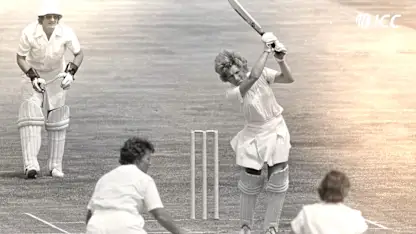
The first women’s cricket world cup matches were played in the early days of organized women’s cricket, when there weren’t many chances and not many resources. Even with these problems, the event was a big step forward for the sport in the current period. Women’s cricket world cup matches have changed from small, poorly planned games to huge, professionally run events over the years. This change is a sign of bigger changes in how people feel about women’s sports and how much money cricket boards are putting into them.
In the early years of the women’s cricket world cup, there wasn’t much media coverage and the crowds were fewer, but the competition was still fierce. Teams relied primarily on amateur players who balanced cricket with school or work, which made their accomplishments even more impressive. Over the years, the level of women’s cricket world cup matches improved a lot thanks to centralized training, professional contracts, and international coaching standards.
The addition of more teams to the tournament was also a significant point in the history of women’s cricket world cup matches. More countries were able to compete internationally, which led to a wider range of playing styles and more competition. This increase not only made the competition stronger, but it also made new cricket countries want to put money into women’s programs. Each each edition of the women’s cricket world cup matches added to the story of progress and excellence that the previous one had started.
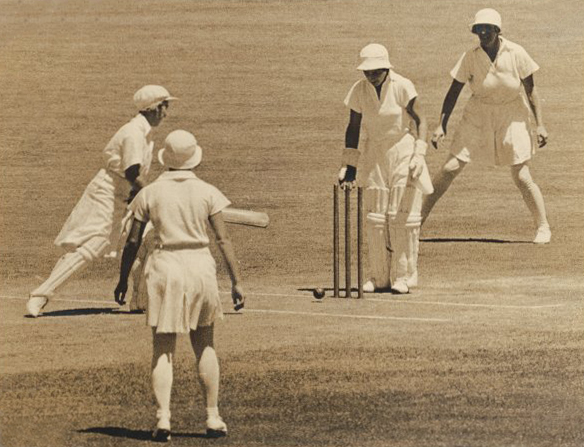
Changes to the rules, new technology, and better pitch preparation all made women’s cricket world cup matches even more fair and exciting. The competition has changed over time, much like cricket has changed in general. For example, it used to be played in white clothes with red balls, but now it is played in colored kits and with advanced analytics. Women’s cricket world cup matches today show how hard work, creativity, and the sport’s worldwide appeal can pay off.
The Structure and Format of Matches in the Women’s Cricket World Cup
The way women’s cricket world cup matches are set up is meant to make them fair, competitive, and fun. These games are usually played in the One Day International style, where teams compete over a certain amount of overs to see how deep their batting and how disciplined their bowling is. There is usually a round-robin stage in the tournament structure, followed by knockout rounds. This gives each team several chances to show how strong they are.
In the round-robin phase of the Women’s Cricket World Cup, each team plays every other team at least once. This gives a full picture of how consistent and well they play. Points earned during this stage decide who gets to move on to the knockout phase and who gets to stay. This method gives points to teams that do well in a lot of different situations instead of just one great game.
In women’s cricket world cup knockout matches, the level of tension goes higher because one result can change the course of a team’s entire campaign. The semi-finals and finals typically have memorable moments that will be remembered in cricket history. Elimination matches challenge both mental and technical skills, which makes them very interesting for both players and fans.
Picking the time and place for the women’s cricket world cup matches is also very important. Matches are often held in different locations and countries, which means that teams have to deal with different pitch conditions and weather. This variety adds depth to the strategy, since teams have to be able to adjust swiftly to win. The format of the women’s cricket world cup matches makes for a full, competitive, and globally interesting competition that shows off the finest of women’s cricket.
The Teams, Players, and Fairness of Women’s Cricket World Cup Matches

The high level of rivalry between the teams is one of the most important things that makes women’s cricket world cup matches stand out. For a long time, traditional powerhouses have dominated the event. However, in more recent editions, the gap between established clubs and new challengers has been getting smaller. Women’s cricket world cup games are now more unpredictable and interesting than ever because of this change.
Elite players have a big impact on the results of women’s cricket world cup matches. Batters who can score consistently, bowlers who are good at strategy, and all-rounders who can do well in a number of areas are frequently the most important players on winning teams. Experienced captains also have an effect on the outcome of matches, especially when the pressure is on.
Women’s cricket world cup matches have been directly affected by the growth of professional leagues and better domestic infrastructure. Players now approach the event with more experience playing competitive cricket, better fitness, and a better understanding of tactics. This preparation has made the event more fair and enhanced the general level of play.
The table below shows a general overview of team performance trends that are typically found in women’s cricket world cup matches throughout several editions. It focuses on competitive balance rather than specific statistics.
| Team Category | General Performance Trend | Key Strength Areas |
|---|---|---|
| Traditional Leaders | Consistent top finishes | Experience, depth |
| Strong Challengers | Frequent semi-finalists | Balanced squads |
| Emerging Teams | Gradual improvement | Youth development |
| New Entrants | Learning phase | Exposure, growth |
The fact that women’s cricket world cup matches are getting more competitive means that every game is important. Fans see closely fought matches, unexpected wins, and amazing performances that make the tournament popular throughout the world. This balance not only makes the game more fun to watch, but it also helps women’s cricket grow around the world.
The places, times, and Effects on the world of Women’s cricket World Cup Matches
The places where women’s cricket world cup matches are held are very important to how they are played. Famous stadiums add status and atmosphere to the competition, while smaller venues make it easier for people to go there and get involved. The choice of locations in different parts of the world shows how global women’s cricket is and helps the sport reach more people.
It takes a lot of planning to schedule women’s cricket world cup matches so that player safety, broadcast needs, and fair competition are all taken into account. The match calendar takes into account things like enough rest days, travel time, and the weather. Well-planned schedules improve the level of performance and make sure that all teams are on an equal footing during the event.
Women’s Cricket World Cup games have effects on the world that go far beyond the boundary ropes. These games make young girls want to play cricket, change the way cricket boards make decisions, and fight preconceptions about women in sports that have been around for a long time. More people watching and sponsoring women’s cricket world cup matches has helped players have more stable finances and more chances to get jobs.
The table below shows the bigger effects that women’s cricket world cup matches have on cricket growth around the world.
| Impact Area | Influence of the Tournament | Long-Term Outcome |
|---|---|---|
| Grassroots Cricket | Increased participation | Talent pipeline |
| Media Coverage | Higher visibility | Fan engagement |
| Professional Pathways | More contracts | Career sustainability |
| Global Recognition | Stronger branding | Sport growth |
Women’s cricket is growing in popularity, and the Women’s Cricket World Cup matches are still the most important international events. The competition is still important because of how it has changed sports culture, gender equality, and the growth of cricket around the world. Each edition not only names a winner, but it also helps make the game better for future generations of women cricketers.
Conclusion
The women’s cricket world cup matches are a great example of athletic brilliance, advancement, and global togetherness. These matches have changed women’s cricket into a respectable and highly followed sport by changing its history, making it more structured, balancing the competition, and having a big effect on the world. For women’s cricket world cup matches to keep being successful, fans from all around the world need to keep investing, supporting, and developing the sport. As the event goes on, it will continue to change the game of cricket and inspire people of all ages.
Read More:- Women’s Cricket World Cup Table – Complete Historical Analysis