India vs New Zealand: Latest Series Updates, Match Analysis and Key Players


International cricket becomes particularly exciting when two competitive teams with different playing styles meet on the field. India and New Zealand have developed a fascinating cricket rivalry over the years, producing memorable encounters across Test matches, One Day Internationals (ODIs) and Twenty20 Internationals (T20Is). Both teams have experienced remarkable victories, difficult defeats and unforgettable individual performances. Their contests are known for tactical battles, disciplined bowling, powerful batting and the ability to change the direction of a match within a few overs.
The latest India vs New Zealand series in 2026 has provided plenty of entertainment for cricket enthusiasts. The ongoing tour includes five T20Is, five ODIs and two Test matches, giving both teams opportunities to demonstrate their abilities across different formats. India have enjoyed several important victories, while New Zealand have responded with impressive performances of their own. The first Test at Wellington has become another major talking point, particularly after India’s strong batting response to New Zealand’s first-innings total. With another Test still scheduled, the competition remains an important opportunity for both sides to strengthen their international performances.
India vs New Zealand: Overview of the 2026 Cricket Tour
The 2026 tour has brought together two well-established international cricket teams for an extensive multi-format competition. Playing across different New Zealand venues presents a demanding challenge because conditions can change significantly from one ground to another. Fast bowlers often receive assistance from movement through the air and off the surface, while batters must adjust their techniques to handle the bounce and pace.
India entered the tour with the objective of performing consistently across all three formats. The team has a combination of experienced international players and younger cricketers who are gaining valuable exposure. New Zealand, meanwhile, have relied on their understanding of home conditions, disciplined bowling and the ability to build partnerships during difficult periods.
The tour began with the T20I series before moving into the ODI competition and the longer Test format. This arrangement has allowed both teams to test their flexibility and identify areas requiring improvement. The results have also demonstrated that neither side can depend entirely on previous performances because each format demands a different approach.
Latest Results of the India-New Zealand Series 2026
The series has produced several contrasting results. India started strongly in the T20I competition, but New Zealand managed to recover towards the end. The ODI matches also featured changing momentum, including a major victory for New Zealand and an important response from India in the final encounter.
The following table provides an overview of the completed limited-overs matches and the current Test situation.
| Format | Match or result | Outcome |
|---|---|---|
| 1st T20I | Christchurch | India won by 4 wickets |
| 2nd T20I | Christchurch | India won by 4 wickets |
| 3rd T20I | Wellington | India won by 6 wickets |
| 4th T20I | Auckland | New Zealand won by 87 runs |
| 5th T20I | Hamilton | New Zealand won by 7 wickets |
| 1st ODI | Auckland | India won by 5 wickets |
| 2nd ODI | Wellington | India won by 4 runs (DLS) |
| 3rd ODI | Hamilton | Abandoned due to rain |
| 4th ODI | Mount Maunganui | New Zealand won by 244 runs |
| 5th ODI | Mount Maunganui | India won by 22 runs |
| 1st Test | Wellington | India lead by 118 runs after Day 3 |
These results illustrate the competitive nature of the tour. India secured the T20I series by winning three of the five matches, while the ODI series also went India’s way with three victories, including the rain-affected second match, against New Zealand’s one win. The abandoned ODI did not produce a result.
The first Test has added another dimension to the competition. New Zealand established a substantial first-innings total, but India responded with a strong batting performance and moved into the lead by the end of the third day.
First Test Match: India Take Control in Wellington
The first Test of the tour has become one of the most significant encounters of the series. Played at the Basin Reserve in Wellington, the match has highlighted the importance of patience, partnerships and adaptability in Test cricket. New Zealand won the opportunity to bat first and eventually scored 368 runs in their opening innings. Although the hosts experienced difficulties early in their innings, their middle-order contribution helped them reach a competitive total.
India’s bowlers initially created pressure by taking important wickets. Akash Deep played a particularly valuable role, using his pace and control to trouble the New Zealand batters. However, the home side demonstrated resilience through two important individual performances. Henry Nicholls scored an unbeaten 175, while Glenn Phillips contributed 118 runs. Their substantial sixth-wicket partnership helped New Zealand recover from a difficult position and establish a respectable first-innings score.
KL Rahul’s Outstanding Century
KL Rahul delivered one of the most important performances of the ongoing tour by scoring 136 runs from 290 deliveries. His innings was built around concentration, careful judgement and the ability to identify scoring opportunities without taking unnecessary risks. Rather than attempting to dominate every over, Rahul focused on maintaining his wicket and building partnerships.
His century was particularly significant because it demonstrated his ability to perform in challenging overseas conditions. He also became the first Indian opener to score Test centuries in all four SENA countries: South Africa, England, New Zealand and Australia. Achieving this milestone highlights his adaptability and technical development as an international batter.
Rahul’s contribution provided stability after India’s early setback and allowed the middle order to approach the innings with greater confidence. His partnership with Devdutt Padikkal became an important turning point because it prevented New Zealand from creating sustained pressure through regular wickets.
Devdutt Padikkal Strengthens His Position
Devdutt Padikkal also produced a valuable performance in Wellington by scoring 80 runs. His innings included several attractive boundaries, but the most impressive aspect was his ability to remain patient against a disciplined bowling attack. He showed good judgement outside the off stump and selected attacking opportunities carefully.
Padikkal’s partnership with Rahul was particularly important because the two batters complemented each other. Rahul concentrated on building a long innings, while Padikkal maintained a positive approach whenever scoring opportunities appeared. Their 165-run partnership helped India move into a commanding position.
Such performances are important for younger players attempting to establish themselves in the international team. Consistency in overseas conditions can strengthen a player’s position and provide selectors with additional confidence when considering future combinations.
Shubman Gill and Rishabh Pant Add Momentum
Shubman Gill continued India’s strong batting performance with an impressive 98-run innings. He looked comfortable against the New Zealand attack and demonstrated his ability to accelerate when the situation allowed. Unfortunately, Gill missed his century by just two runs after being dismissed by Jacob Duffy.
Although missing a hundred can be disappointing, his contribution was extremely valuable to India’s overall position. His innings prevented New Zealand from regaining control and helped maintain the pressure on the home bowlers.
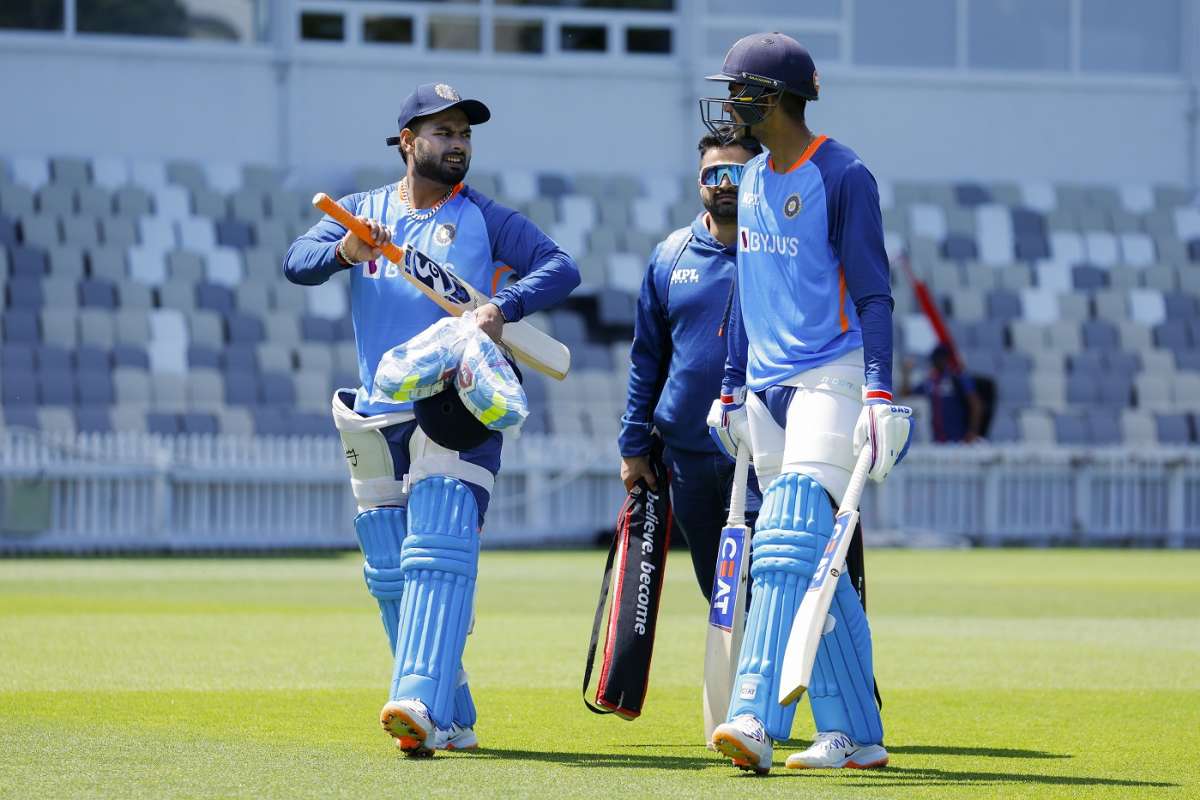
Rishabh Pant also played an important role by remaining unbeaten on 55 at the end of the third day’s play. His aggressive batting style provided another dimension to India’s innings. By attacking loose deliveries and rotating the strike, Pant helped India extend their advantage.
At stumps on Day 3, India had reached 486 for four in 125.4 overs, giving them a first-innings lead of 118 runs. The remaining batting opportunities could allow India to increase that advantage before putting New Zealand under pressure in their second innings.
How Both Teams Have Performed Across Different Formats
One of the most interesting aspects of this tour is the difference between performances in T20Is, ODIs and Test cricket. The teams have demonstrated that success in one format does not automatically guarantee success in another. Each competition requires different combinations, strategies and levels of patience.
T20 International Performances
India began the T20I series with three consecutive victories. Their batting unit showed strong intent, while the bowling department generally managed to control the opposition’s scoring opportunities. The first two victories in Christchurch established an early advantage, and the third match in Wellington strengthened India’s position.
New Zealand responded impressively in the final two matches. Their 87-run victory in Auckland demonstrated their ability to produce a powerful batting performance and put pressure on India’s bowling attack. They followed it with another victory in Hamilton, winning by seven wickets.
One Day International Performances
The ODI series offered a different tactical challenge. India secured the first match by five wickets and followed it with a narrow four-run victory under the Duckworth-Lewis-Stern method in Wellington. The second match was particularly competitive because a small margin separated the teams.
The third ODI in Hamilton was abandoned because of rain, leaving both sides without a completed result. New Zealand then produced a remarkable performance in the fourth match at Mount Maunganui, scoring 333 runs before dismissing India for 89. Their 244-run victory was one of the biggest statements of the tour.
Test Cricket and the Importance of Patience
Test cricket requires a completely different mindset. Players must remain focused over several sessions and understand how pitch conditions, weather and ball movement influence the match. Unlike T20 cricket, where aggressive scoring can quickly change the result, Test matches frequently reward patience and careful planning.
The Wellington encounter has demonstrated these differences. New Zealand initially created pressure through disciplined bowling, but India’s batters gradually adapted. Rahul’s long innings, Padikkal’s partnership and the contributions from Gill and Pant changed the direction of the contest.
Important Players to Watch in the Rivalry
Individual performances often determine the direction of international cricket matches. Both India and New Zealand have players capable of changing a contest through their batting, bowling or fielding abilities.
For India, KL Rahul’s experience remains particularly valuable in overseas conditions. His ability to build long innings provides stability at the top of the order. Shubman Gill brings attacking potential and technical quality, while Rishabh Pant offers an aggressive approach that can disrupt even disciplined bowling attacks.
Devdutt Padikkal has also attracted attention through his recent performances. His ability to occupy the crease and build partnerships could become important for India’s future Test combinations. In the bowling department, Akash Deep has demonstrated the importance of maintaining accuracy while generating movement and pace.
New Zealand also have several important performers. Henry Nicholls and Glenn Phillips showed their batting capabilities with substantial contributions in the first Test. Jacob Duffy has provided important breakthroughs, while Kyle Jamieson remains a significant bowling option because of his height, bounce and ability to challenge batters with movement.
The following qualities make these players particularly important:
-
KL Rahul: Experience, patience and overseas batting consistency.
-
Shubman Gill: Technical quality and the ability to accelerate scoring.
-
Henry Nicholls: Strong concentration and dependable middle-order batting.
-
Glenn Phillips: Attacking batting and the ability to change match momentum.
-
Kyle Jamieson: Height, bounce and effective seam bowling.
Head-to-Head Record Between India and New Zealand
The historical rivalry between these teams has developed through several decades of international cricket. India have traditionally been strong in home conditions, particularly when their spin bowlers receive assistance from the pitch. New Zealand, however, have frequently proved difficult opponents on their home grounds, where seam movement and bounce can create problems for visiting batters.
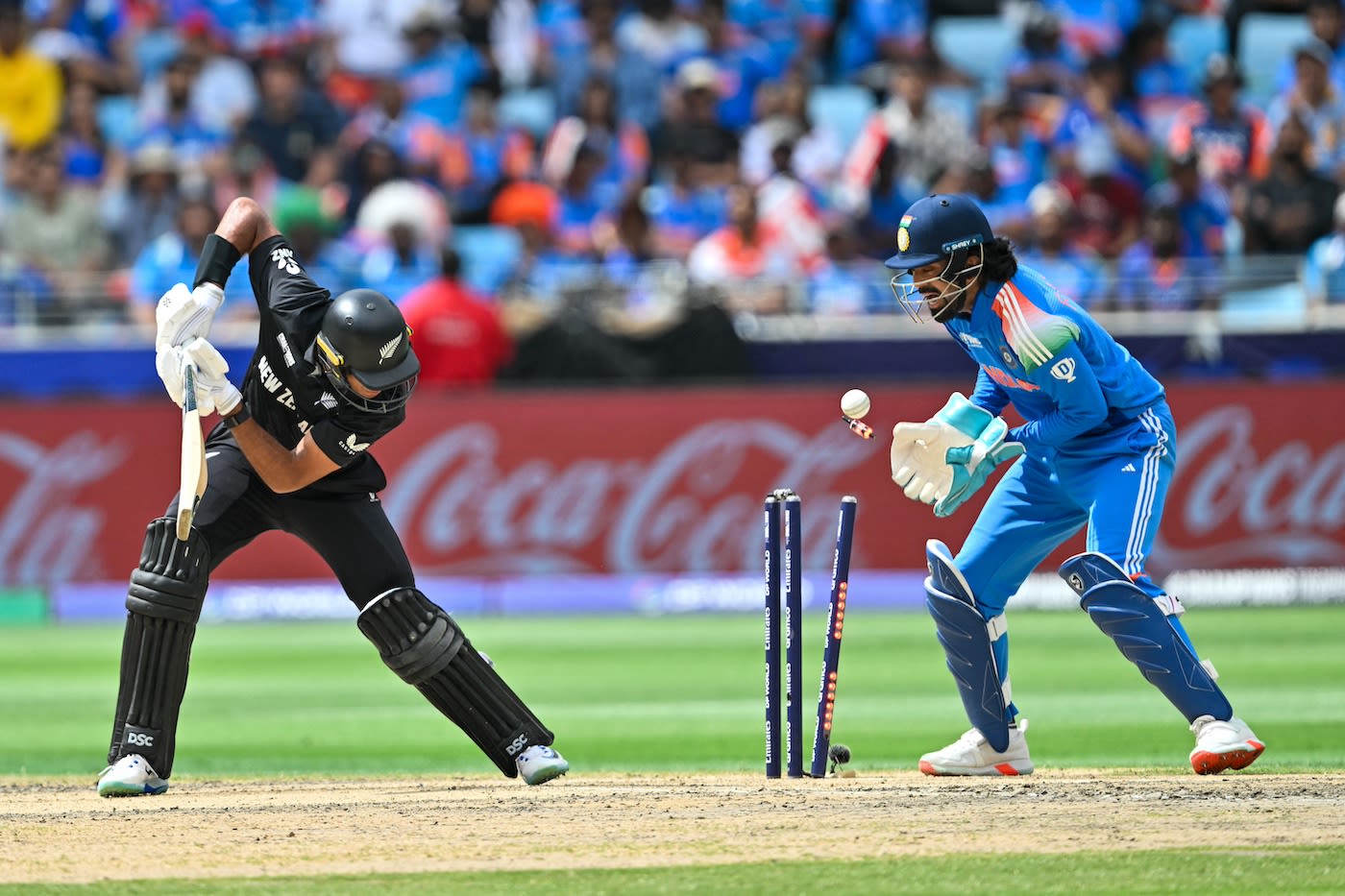
Test cricket has produced several memorable encounters between the countries. India have enjoyed important victories, but New Zealand have also achieved significant successes through disciplined bowling and determined batting. Their performances in major international tournaments have further strengthened the rivalry.
The 2021 World Test Championship final remains one of the most memorable examples. New Zealand defeated India to become the inaugural World Test Championship winners. That victory demonstrated how effectively the New Zealand team could handle pressure in a major international final.
Another important moment came during the 2024 Test series in India, when New Zealand achieved a historic 3-0 series victory. It was a significant result because India had traditionally been extremely difficult to defeat in home Test conditions. These experiences demonstrate why historical records alone cannot predict the outcome of a new series.
Why New Zealand Conditions Are Challenging for Indian Players
Playing international cricket in New Zealand requires technical adjustments. The country’s grounds often provide conditions that encourage fast bowlers, particularly during the early stages of an innings. Cloud cover, humidity and movement through the air can make batting difficult, especially for players who are accustomed to different conditions.
The Basin Reserve in Wellington is an example of a venue where seam movement and disciplined bowling can influence the contest. Batters must judge deliveries carefully and avoid playing unnecessary shots outside the off stump. A technically correct approach becomes particularly important when facing experienced fast bowlers.
Indian players also need to manage the challenge of adapting to different bounce patterns. A delivery that might be relatively comfortable to play on an Indian surface can behave differently on a New Zealand pitch. Adjusting footwork, playing late and maintaining balance can help reduce the risk of early dismissals.
Strategies That Can Decide the Remaining Test Match
With India holding a 118-run first-innings advantage after Day 3, the next stage of the Wellington Test becomes particularly important. India will need to decide how long to continue batting and when to give their bowlers an opportunity to attack.
Extending the lead could provide additional security, especially if the pitch becomes more challenging during the remaining days. However, spending too much time at the crease could reduce the number of overs available to dismiss New Zealand in their second innings.
New Zealand will need early wickets to prevent India from establishing an even larger advantage. Their bowlers must maintain consistent lines and lengths while using short deliveries carefully. Excessive aggression without proper control could allow the Indian batters to score quickly.
India’s bowling department will also need to remain disciplined when New Zealand return to bat. Taking early wickets could expose the lower order and create an opportunity to secure a significant result.
The major factors that could influence the remaining contest include:
-
India’s decision regarding the timing of their declaration.
-
New Zealand’s ability to take early wickets.
-
The effectiveness of India’s fast bowlers in the second innings.
-
Weather conditions and the number of overs available.
These factors make the remaining sessions important for both sides. Even though India have established an advantage, Test cricket can change direction quickly when a team produces a strong batting or bowling performance.
Upcoming Fixtures and What Supporters Can Expect
The multi-format tour is approaching its final stage, with the second Test scheduled to follow the Wellington encounter. The upcoming match will take place at Hagley Oval in Christchurch, beginning on November 27, 2026.
This fixture will provide another opportunity for India to demonstrate their overseas Test capabilities. New Zealand will be keen to respond, particularly if they are unable to recover in the first Test. Playing at another home venue could provide the hosts with an opportunity to use familiar conditions and improve their bowling performance.
The performances in the first Test may influence team selections for the next encounter. India’s batting combinations, fast-bowling options and overall workload management will be important considerations. New Zealand will also examine their batting approach and look for ways to create more consistent pressure against the Indian lineup.
The Importance of This Rivalry for International Cricket
The competition between India and New Zealand represents more than a series of individual matches. It provides an opportunity to compare different cricketing philosophies and understand how teams approach international challenges.
India have traditionally developed strong batting lineups supported by quality spin and fast bowling. Their growing investment in pace bowling has also improved their ability to compete in overseas conditions. New Zealand have built their reputation around teamwork, disciplined execution and making effective use of available resources.
Both approaches have produced successful international teams. Their encounters also provide valuable learning opportunities for emerging players. Younger cricketers can gain experience by competing against established international performers and learning how to handle difficult situations.
Conclusion
The 2026 cricket tour has once again demonstrated why matches between these two nations attract considerable attention. India have performed strongly in the limited-overs formats, winning both the T20I and ODI series. New Zealand have also produced impressive performances, particularly through their victories in the final two T20Is and their dominant fourth ODI display.
The ongoing Test competition has added another exciting chapter to the rivalry. New Zealand established a first-innings total of 368 runs, but India’s batting lineup responded impressively. KL Rahul’s 136, Devdutt Padikkal’s 80, Shubman Gill’s 98 and Rishabh Pant’s unbeaten 55 helped India reach 486 for four at the end of Day 3, securing a lead of 118 runs.