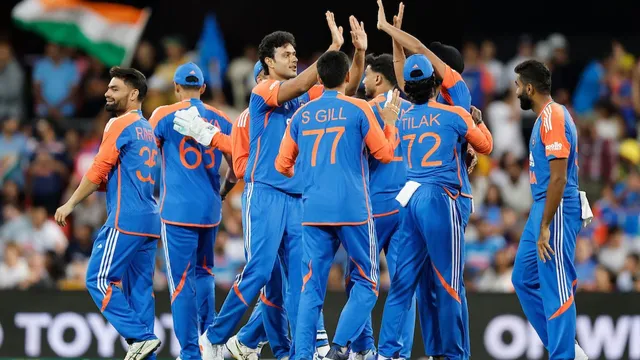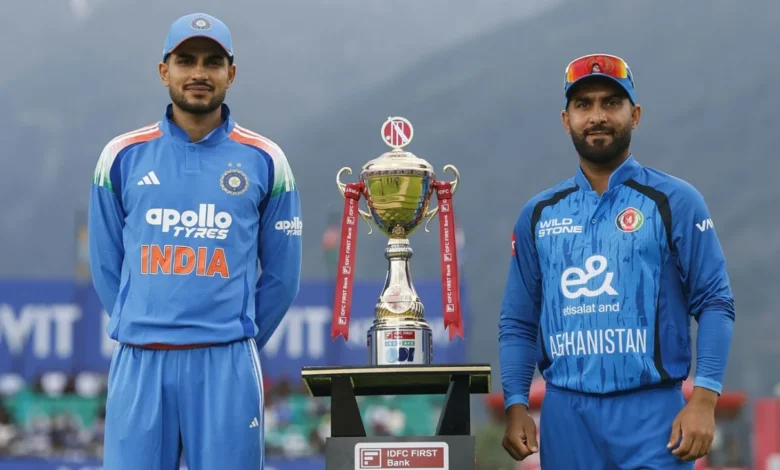
The rivalry between the India national cricket team and the Afghanistan national cricket team has become an exciting part of international cricket. India brings a long history of major tournament success, experienced international players and a strong cricketing system. Afghanistan, meanwhile, has developed into a competitive side known for its talented spin bowlers, aggressive batting and fearless approach. Their encounters across One Day Internationals (ODIs), Twenty20 Internationals (T20Is) and major tournaments attract considerable attention from cricket fans.
The india national cricket team vs afghanistan national cricket team match scorecard is useful for understanding how a match unfolds, from the opening overs to the final result. A complete scorecard records runs, wickets, overs, batting contributions, bowling figures, extras and the final outcome. However, the match date and format are important because India and Afghanistan have played multiple international matches, each with different performances and results. This article explains how to read the scorecard, which statistics matter most and how to evaluate the key performances without confusing figures from different matches.
Latest India vs Afghanistan Match Scorecard
The teams have met in several formats, including a T20I series in September 2026. In the third T20 International, played on 17 September 2026 at the Arun Jaitley Stadium in New Delhi, India scored 221/7 in 20 overs before bowling Afghanistan out for 94 in 14.1 overs. India won by 127 runs, completing a dominant performance in the match.
The result demonstrates how a strong batting total can create pressure on a chasing team. India established a challenging target, and Afghanistan struggled to build partnerships during the reply. The scorecard provides the clearest overview of the match, showing the difference between the teams’ totals, their scoring rates and the number of overs used.
| Match detail | Information |
|---|---|
| Match | India vs Afghanistan, 3rd T20I |
| Date | 17 September 2026 |
| Venue | Arun Jaitley Stadium, New Delhi |
| India innings | 221/7 in 20 overs |
| Afghanistan innings | 94 all out in 14.1 overs |
| Result | India won by 127 runs |
| Format | Twenty20 International |
These figures refer specifically to the third T20I of September 2026, not to every match between the teams.
India Batting Performance
India’s total of 221/7 reflected an aggressive approach in the shortest international format. A total above 200 can put significant pressure on a chasing side, particularly when the bowling team has several wicket-taking options. To reach such a score, batters need to combine boundary hitting with effective running between the wickets, while also ensuring that the innings does not lose momentum after the powerplay.
In the india national cricket team vs afghanistan national cricket team match scorecard, the batting section helps readers identify which players contributed the most runs, who maintained a high strike rate and how frequently wickets fell. The opening partnership, middle-order contributions and finishing overs are all important when analysing a T20 innings. A high total is rarely the result of one factor alone; it usually reflects a combination of individual performance, partnerships and decisions about when to attack.
Key batting statistics to examine
-
Runs scored: The total contribution made by each batter.
-
Balls faced: The number of deliveries used to make those runs.
-
Strike rate: Runs scored per 100 balls faced.
-
Boundaries: Fours and sixes that accelerate scoring.
-
Dismissals: The timing of wickets and their impact on momentum.
These figures help explain how India moved towards its final total and why Afghanistan faced a demanding chase.
Afghanistan Batting Performance
Afghanistan’s innings ended at 94 in 14.1 overs, leaving the team well short of India’s target. Chasing a large total requires an early platform, but losing wickets regularly can force batters to take risks before they are settled. In T20 cricket, this creates a difficult balance between preserving wickets and maintaining the required scoring rate.
Afghanistan has produced several strong performances against major international teams, particularly through its aggressive top-order batters and capable all-rounders. However, even a talented batting line-up can struggle when early wickets expose the middle order to sustained pressure. Once the asking rate climbs, batters may attempt more ambitious shots, increasing the chance of further dismissals.
A useful scorecard analysis should look beyond the final total. It should identify the highest individual score, the number of batters dismissed for low scores, the length of partnerships and whether the team managed to score consistently during the powerplay. These details help distinguish between a poor start, a middle-order collapse and a disciplined bowling performance by the opposition.

Bowling Analysis and Match Turning Points
Bowling figures are essential for understanding why one side controlled the match. In T20 cricket, bowlers must limit scoring opportunities while remaining capable of taking wickets. Fast bowlers often look for movement and bounce with the new ball, while spinners can create pressure through changes in pace, flight and direction.
India’s successful defence of a total of 221 depended on restricting Afghanistan to 94. The result shows that the Indian bowling attack maintained control of the chase, although individual bowling figures should be checked against the complete official scorecard before attributing specific wickets or economy rates to individual players.
Key bowling statistics include:
-
Overs bowled: The number of overs completed by each bowler.
-
Runs conceded: The total runs allowed.
-
Wickets taken: The number of batters dismissed by the bowler.
-
Economy rate: Average runs conceded per over.
-
Maidens and extras: Additional indicators of control and discipline.
The best bowling analysis considers wickets and economy together. A bowler who takes important wickets can change the match even if another bowler concedes fewer runs. Likewise, consistent pressure from one end can create opportunities for a teammate at the other.
India vs Afghanistan Scorecard: How to Read the Numbers
A cricket scorecard is more than a record of runs and wickets. It is a compact summary of the decisions and performances that shaped the contest. Readers looking up the india national cricket team vs afghanistan national cricket team match scorecard should first check the format, date, venue and innings totals. These details establish which match is being discussed and prevent statistics from different encounters from being mixed together.
In a batting scorecard, the number of balls faced helps explain the speed of an innings. For example, a batter scoring 40 from 20 balls has a strike rate of 200, while a batter scoring 40 from 40 balls has a strike rate of 100. Both players have scored the same number of runs, but their contributions have different effects on a T20 innings. In an ODI, the interpretation also depends on the match situation, wickets remaining and overs available.
The bowling section offers a different perspective. A bowler conceding 24 runs in four overs has an economy rate of six runs per over. If that bowler also takes two wickets, the contribution may be particularly valuable. Extras, including wides, no-balls, byes and leg-byes, must also be considered because they affect the team’s total without necessarily appearing against a batter’s individual score.
Comparison Between India and Afghanistan
India and Afghanistan bring different strengths to international cricket, and their effectiveness depends on the conditions and format. India generally has considerable batting depth and a wide selection of pace and spin options. Afghanistan is particularly recognised for its spin-bowling resources and the ability of its batters to attack aggressively.
| Performance factor | India | Afghanistan |
|---|---|---|
| Batting approach | Flexible, with depth across the order | Aggressive and capable of rapid scoring |
| Bowling strengths | Variety across pace, spin and all-round options | Notable spin resources and attacking options |
| T20 strategy | Build a strong total or chase efficiently | Create pressure through wickets and scoring bursts |
| Key batting requirement | Convert starts into substantial scores | Build partnerships and manage the required rate |
| Match priority | Maintain pressure in both innings | Recover quickly after losing wickets |
This comparison describes broad team characteristics rather than guaranteeing how either side will perform in a particular match. Form, pitch conditions, player availability and the toss can influence the outcome considerably.
Important Players and Individual Contributions
Individual performances frequently determine the direction of India-Afghanistan matches. A batter who scores quickly in the opening overs can establish a strong foundation, while a middle-order player can stabilise the innings after early dismissals. Finishers are equally important because they can add valuable runs during the final overs.
For Afghanistan, the contributions of top-order batters and experienced all-rounders can be especially significant. A well-timed partnership can rebuild an innings, while an effective spell from a spinner may slow the opposition’s scoring rate and create opportunities for wickets. Evaluating these contributions requires the complete scorecard rather than relying on the match result alone.
When reviewing individual performances, readers should consider the following:
-
The highest individual score and the number of balls used.
-
The most productive partnerships and when they occurred.
-
The leading wicket-takers from both teams.
-
The economy rates of bowlers who delivered their full allocation.
-
The impact of catches, run-outs and other important fielding contributions.
A balanced analysis considers the match situation alongside the numbers. A quick 25 during a difficult chase may be more valuable than a slower 40 in an innings where the team is already comfortably placed.

Head-to-Head Rivalry Across Formats
India and Afghanistan have faced one another in ODIs, T20Is and Test cricket. Each format produces a different type of contest. ODIs allow teams to recover from early setbacks over 50 overs, while T20Is reward efficient scoring and rapid decision-making. Test matches place greater emphasis on patience, sustained bowling pressure, batting technique and adapting to changing pitch conditions.
Their 2023 Cricket World Cup encounter in Delhi remains a memorable ODI example. Afghanistan scored 272/8, with captain Hashmatullah Shahidi making 80, before India reached 273/2 in 35 overs. Rohit Sharma scored 131 from 84 balls, and Virat Kohli finished unbeaten on 55. India won by eight wickets.
This match illustrates why the format and date matter when researching historical statistics. A high-scoring ODI cannot be compared directly with a 20-over contest without considering the different number of available overs. Likewise, Test match scorecards include innings that can extend across several days and require different measures of batting and bowling effectiveness.
Factors That Influence the Match Result
Several factors can determine the outcome when India and Afghanistan meet. The first is the pitch. A surface that offers bounce may favour fast bowlers, while a dry pitch can provide greater assistance to spinners as the game progresses. Weather and dew can also influence conditions, especially during evening matches when the team bowling second may find it harder to grip the ball.
The toss is another consideration, although winning it does not guarantee success. Captains assess the pitch, conditions and strengths of their teams before choosing to bat or bowl. In a T20 match, a strong powerplay can create momentum, but wickets in the middle overs may quickly change the situation. In ODIs, teams have more time to rebuild, while Test cricket rewards sustained performance over several sessions.
Other important factors include player fitness, fielding standards, the effectiveness of bowling changes and the ability to handle pressure. These elements help explain why the same teams can produce very different results in separate encounters.
Why Fans Search for the Match Scorecard
Cricket fans, analysts and sports content publishers use scorecards to review match results and understand player performance. A detailed scorecard helps readers verify totals, identify leading run-scorers and wicket-takers, and compare individual contributions across different matches.
The india national cricket team vs afghanistan national cricket team match scorecard is especially useful for readers following the teams across international competitions. It brings together the essential statistics in one place, making it easier to understand how a game developed and which performances made the biggest difference.
For accurate research, always verify the date, venue, format and innings totals before comparing statistics. Official match records are particularly useful when checking individual batting figures, bowling analysis, playing elevens and awards. This approach prevents confusion between bilateral series, international tournaments and matches played in different formats.
Conclusion
India versus Afghanistan cricket matches offer an interesting combination of aggressive batting, varied bowling and tactical decisions. India’s batting depth and bowling options can create difficult challenges, while Afghanistan’s spin resources and fearless approach give the team opportunities to compete against established opponents.
The india national cricket team vs afghanistan national cricket team match scorecard provides the essential information needed to understand a particular encounter, including the innings totals, individual scores, wickets, overs and final result. The September 2026 T20I example, in which India won by 127 runs after scoring 221/7, demonstrates how a commanding batting performance followed by effective bowling can produce a decisive victory.
Ultimately, the most useful match analysis goes beyond the final score. By examining partnerships, strike rates, economy rates and turning points, readers can develop a clearer understanding of the contest and appreciate the performances that shaped the result.