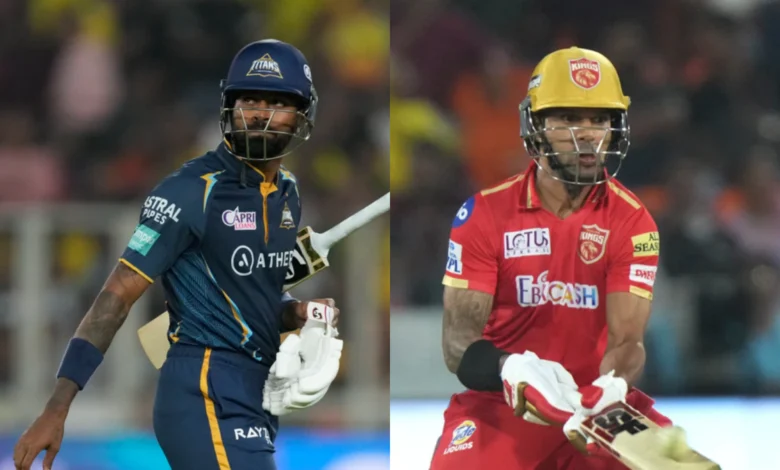
The Indian Premier League is known for explosive batting, thrilling finishes, and individual performances that can change the course of a tournament. Among its most recognised individual honours is the Orange Cap, awarded to the batter who scores the most runs during an IPL season. Every year, established international stars and emerging Indian players compete for this distinction, turning the race for the top batting position into an exciting storyline throughout the competition.
The orange cap in ipl 2026 attracts attention from cricket fans because it reflects more than a player’s ability to hit boundaries. It rewards consistency, adaptability, concentration, and the ability to deliver under pressure. A batter might begin the season with a few quiet innings before producing a series of match-winning performances, while another might start brilliantly and struggle as bowlers adjust their strategies. These changing fortunes make the leaderboard an important part of the IPL experience.
For supporters, following the Orange Cap race offers another way to understand the tournament. Team victories remain the primary objective, but individual batting achievements often influence playoff qualification, memorable matches, and discussions about the season’s best performers. To understand the 2026 race properly, it is important to examine how the award works, which statistics matter, how playing conditions affect scoring, and why the highest run total does not always tell the entire story.
Important current-season note: The exact 2026 leaderboard and final winning total should be verified against official season statistics before publication. I cannot confirm live or final rankings here, so the article does not present unverified player totals or declare a winner without reliable evidence.
What Is the Orange Cap in IPL 2026?
The Orange Cap is an individual batting award associated with the Indian Premier League. It recognises the player who accumulates the most runs over the course of a season. Unlike awards that focus on one outstanding innings or a single match, this honour reflects performance across multiple games. Players must continue scoring throughout the competition, making it a test of consistency as well as attacking ability.
The orange cap in ipl 2026 is particularly interesting because modern T20 cricket demands a balance between aggression and calculated risk. Batters are expected to score quickly during the powerplay, maintain momentum through the middle overs, and accelerate towards the end of an innings. However, attempting to score rapidly can also result in wickets, so successful contenders must understand when to attack and when to rotate the strike.
The award also creates a compelling individual contest within a team sport. An opening batter may build a substantial total by facing many deliveries, while a number-three batter may repeatedly rescue the team after early wickets. Both approaches can be valuable. Ultimately, the player who accumulates the most runs under the tournament’s official rules earns the distinction, regardless of whether those runs come from explosive centuries or a long sequence of dependable contributions.
How the Orange Cap Race Works
The Orange Cap leaderboard changes throughout the IPL season as players complete their innings. A batter who scores a century in one match can move rapidly up the rankings, while a player who contributes 40 or 50 runs in several consecutive matches can build an equally impressive record over time. The competition therefore remains fluid until the final stages of the tournament.
A player’s total runs are the primary measurement. If two batters finish with the same number of runs, the applicable official competition rules determine the ranking or award outcome. Other statistics, including strike rate, batting average, number of innings, and not-outs, provide useful context when comparing players, even when they do not replace total runs as the principal measure.
Teams also influence the race through their progress in the competition. A batter whose side reaches the playoffs may have additional opportunities to add runs, although extra matches do not guarantee a higher score. A player can be eliminated early despite excellent performances, while another can benefit from playing more matches. This is why season totals should be considered alongside the number of innings played and the circumstances in which the runs were scored.
Orange Cap in IPL 2026: Final Top Run-Scorers List
The final standings of the orange cap in ipl 2026 highlight a remarkable season of batting, with young talent competing against experienced international stars. Vaibhav Sooryavanshi of Rajasthan Royals finished at the top with 776 runs, establishing himself as the season’s leading run-scorer. Shubman Gill and Sai Sudharsan of Gujarat Titans also delivered outstanding campaigns, both crossing the 700-run mark. Their performances demonstrated how sustained contributions from top-order batters can shape a team’s season.
The following table presents the leading run-scorers from the completed 2026 tournament. These figures represent season totals, including playoff performances, rather than an early-season snapshot.
| Rank | Player | Team | Runs |
|---|---|---|---|
| 1 | Vaibhav Sooryavanshi | Rajasthan Royals | 776 |
| 2 | Shubman Gill | Gujarat Titans | 732 |
| 3 | Sai Sudharsan | Gujarat Titans | 722 |
| 4 | Virat Kohli | Royal Challengers Bengaluru | 675 |
| 5 | Heinrich Klaasen | Sunrisers Hyderabad | 624 |
| 6 | Ishan Kishan | Sunrisers Hyderabad | 602 |
| 7 | KL Rahul | Delhi Capitals | 593 |
| 8 | Abhishek Sharma | Sunrisers Hyderabad | 563 |
| 9 | Mitchell Marsh | Lucknow Super Giants | 563 |
| 10 | Jos Buttler | Gujarat Titans | 526 |
The numbers reveal a competitive batting season. Sooryavanshi finished 44 runs ahead of Gill, while Sudharsan remained close behind in third place. Kohli’s 675 runs secured fourth position, and Klaasen and Kishan both crossed 600 runs for Sunrisers Hyderabad. These performances illustrate the variety of batting approaches that can succeed in the IPL, from aggressive powerplay hitting to composed innings built around timing and placement.
Vaibhav Sooryavanshi’s Outstanding Batting Performance
Vaibhav Sooryavanshi’s achievement was one of the defining stories of IPL 2026. Representing Rajasthan Royals, the young batter accumulated 776 runs across 16 matches and claimed the Orange Cap. His remarkable scoring rate made his campaign particularly memorable, demonstrating how fearless batting can put pressure on even experienced bowling attacks. Finishing as the season’s highest run-scorer at such a young age also marked a significant milestone in IPL history.
What made his performance especially impressive was his ability to combine substantial run totals with exceptional scoring speed. In T20 cricket, a batter who scores quickly can change the direction of a match within a few overs. Sooryavanshi’s attacking approach allowed Rajasthan Royals to gain momentum, put opposition bowlers under pressure, and establish competitive totals. His success also highlighted the growing influence of young Indian players who enter professional cricket with strong technical skills and an aggressive understanding of the modern game.
However, a high strike rate alone does not explain an entire season. Maintaining concentration, adjusting to different pitches, recognising bowling variations, and managing pressure across multiple matches are equally important. Sooryavanshi’s final run tally reflected the combination of attacking intent and sustained production needed to finish above a field of accomplished batters.
Shubman Gill and Sai Sudharsan Strengthen Gujarat Titans’ Batting
Gujarat Titans had two of the season’s three highest run-scorers, with Shubman Gill finishing on 732 runs and Sai Sudharsan collecting 722. Their performances showed the value of a productive top order, where batters can build partnerships, control the early overs, and create a strong foundation for the middle order. Having two players among the leading run-getters also gave Gujarat Titans multiple sources of batting momentum.
Gill’s contribution reflected his ability to combine classical stroke play with the demands of T20 cricket. He can find gaps, rotate the strike, and accelerate when the situation calls for more aggressive scoring. This balance helps a batter remain effective against different types of bowling and across a range of match situations. A player does not need to hit a six every over to dominate an innings; consistent boundaries and sensible decision-making can be just as valuable.
Sudharsan’s campaign was similarly noteworthy. His 722 runs placed him third overall, demonstrating his ability to contribute regularly throughout the competition. The close gap between the two Gujarat Titans batters also highlights an important feature of the Orange Cap race: the leaderboard can be extremely competitive even when one player appears to have established a clear lead. Their combined achievements underline the importance of dependable opening partnerships and top-order stability in a tournament where one poor start can quickly place a team under pressure.
Virat Kohli’s Consistency and the Impact of Experienced Batters
Virat Kohli finished IPL 2026 with 675 runs for Royal Challengers Bengaluru, placing fourth in the final batting standings. His performance reinforced the importance of consistency in a competition often associated with explosive hitting. Experienced batters can bring a clear understanding of match situations, knowing when to preserve wickets and when to increase the scoring rate. These decisions are particularly important during run chases, when the required rate and wickets remaining must be considered together.
Kohli’s batting approach demonstrates how accumulated experience can support sustained performance. Strong fundamentals, quick movement between the wickets, and the ability to find gaps allow a batter to build a substantial score without relying exclusively on risky shots. Even when bowlers restrict boundary opportunities, rotating the strike can keep the innings moving and prevent the fielding side from gaining complete control.
His position among the leading run-scorers also illustrates that the Orange Cap race is not limited to young power hitters. Different players can achieve high totals through different methods. Some dominate through sixes and fours, while others combine boundary hitting with disciplined running and calculated aggression. Both approaches can produce match-winning results, depending on the pitch, opposition, and stage of the innings.
How Strike Rate and Batting Average Help Explain the Rankings
Total runs determine the primary Orange Cap ranking, but additional statistics help explain how each batter reached their final total. Strike rate measures the number of runs scored per 100 balls faced, while batting average indicates how many runs a batter scores per dismissal. These figures provide different perspectives on a player’s effectiveness and should be interpreted alongside the total number of runs.
For example, a batter who scores 60 runs from 30 balls has a strike rate of 200. Another who scores 60 from 45 balls has a strike rate of approximately 133.33. Both have contributed the same number of runs, but the first has scored more rapidly. That difference may be crucial in a close match, especially when a team needs to accelerate during the final overs.
Batting average offers another useful perspective. A player who repeatedly makes substantial scores before being dismissed may have a different statistical profile from someone who produces several quick innings but is dismissed more frequently. Neither measure should be examined in isolation. The Orange Cap rewards the highest aggregate, while average and strike rate help supporters understand consistency and scoring efficiency.
When analysing the 2026 season, fans should also consider innings played, balls faced, hundreds, fifties, boundaries, and the quality of opposition bowling. Together, these measurements create a fuller picture of each batter’s contribution than a ranking based on total runs alone.
Why the Orange Cap Race Matters to IPL Teams
Individual batting records can influence the broader direction of an IPL campaign. A productive opener may help a team reach competitive totals, while a reliable middle-order batter can stabilise an innings after early wickets. A powerful finisher can turn an average total into a challenging target during the final overs. These contributions affect match outcomes, which in turn influence points, net run rate, and qualification prospects.
The orange cap in ipl 2026 also offers insight into how different franchises build their batting strategies. Teams often combine aggressive players with technically dependable batters, aiming to maintain scoring momentum without losing wickets too quickly. An opening partnership may prioritise a strong powerplay, while middle-order players may focus on rebuilding or accelerating according to the situation. Successful batting line-ups adapt rather than follow one fixed formula.
The award can also strengthen a player’s reputation. Consistent high scores may improve a batter’s standing among supporters, analysts, and selectors. For younger players, a strong IPL season can provide valuable experience against international-quality opposition. For established players, it can demonstrate continued relevance in a format that constantly evolves.
Nevertheless, individual success and team success are not identical. A player can finish as the highest run-scorer without winning the tournament, while a champion side may rely on contributions spread across its entire squad. The Orange Cap celebrates individual excellence, but cricket remains a team game in which bowling, fielding, partnerships, and tactical decisions all matter.
What Makes IPL 2026 Memorable for Batting Fans?
The 2026 competition provided several compelling individual stories, from Sooryavanshi’s remarkable scoring campaign to the sustained contributions of Gill, Sudharsan, and Kohli. The presence of several players with more than 600 runs demonstrates the high level of batting production among the season’s leading performers. It also shows that the competition for individual honours can remain interesting even when the leading batter begins to establish a substantial advantage.
Modern T20 cricket continues to reward players who can adapt their approach. Short boundaries, changing pitch conditions, variations in bowling, and different match situations all affect how a batter should play. An innings that succeeds on a flat surface may require a completely different approach on a slower pitch. The most effective players recognise these differences and make decisions according to the situation rather than attempting to play the same shots in every match.
Another important aspect is the growing confidence of young players. Their ability to attack experienced bowlers demonstrates how preparation, skill development, and a clear game plan can translate into performances at the highest level. At the same time, experienced batters continue to show the value of patience, decision-making, and technical consistency. The combination makes the IPL an especially interesting competition for cricket followers.
Conclusion
The orange cap in ipl 2026 represents one of the most significant individual batting achievements of the season. Vaibhav Sooryavanshi finished as the leading run-scorer with 776 runs for Rajasthan Royals, followed by Shubman Gill with 732 and Sai Sudharsan with 722 for Gujarat Titans. Virat Kohli, Heinrich Klaasen, and Ishan Kishan also delivered outstanding campaigns, demonstrating the depth of batting talent across the competition. Beyond the final rankings, the award highlights the qualities required to succeed in modern T20 cricket. Consistency, strike rotation, boundary hitting, adaptability, and composure under pressure all contribute to a batter’s season-long performance. While explosive innings can attract immediate attention, maintaining a high level of performance across numerous matches is what ultimately separates the leading run-scorers from the rest of the field. For cricket fans, the Orange Cap is more than a statistical title.