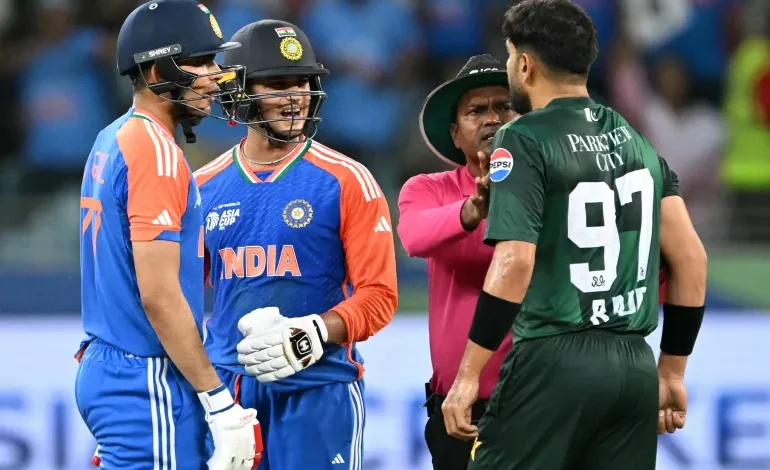
The India national cricket team vs Pakistan national cricket team timeline tells the story of one of the most intense and widely followed rivalries in international sport. Since the two countries first met in Test cricket in 1952, their encounters have produced remarkable performances, dramatic finishes, unforgettable individual achievements and matches watched by millions. The rivalry extends beyond the boundary, reflecting a long and complex shared history that gives every contest additional significance.
India and Pakistan have competed in Test matches, One Day Internationals (ODIs) and Twenty20 Internationals (T20Is). Their cricketing journeys have included periods of bilateral tours, major tournament encounters and long interruptions in regular series. Each generation has added its own chapter, from the technically demanding Test battles of the early decades to the fast-paced contests of modern limited-overs cricket. Understanding this timeline helps fans appreciate how the rivalry evolved and why its most memorable matches continue to attract worldwide attention.
1952: The First Test Series
The rivalry began in October 1952 when Pakistan toured India for its first-ever Test series against its newly independent neighbour. India had already established itself in international cricket, while Pakistan was building its identity as a young Test-playing nation. The series represented an important milestone for both teams and laid the foundation for decades of competition.
India won the five-match Test series 2–1, with two matches drawn. Pakistan nevertheless made a strong impression, demonstrating that it could compete with an established cricketing side. The series introduced supporters to a contest in which technical skill, patience and tactical discipline would become essential features. In the years that followed, both countries developed talented generations of batters, fast bowlers and spinners, increasing the competitive intensity of their meetings.
The early encounters were primarily focused on Test cricket, where matches could last five days and individual performances often determined the result. These contests helped establish the rivalry’s sporting foundations before limited-overs cricket transformed the way international audiences experienced India-Pakistan matches.
1950s–1970s: Building a Competitive Rivalry
During the 1950s, 1960s and 1970s, India and Pakistan developed distinct cricketing strengths. India became known for technically accomplished batters and high-quality spin bowling, while Pakistan produced outstanding fast bowlers and elegant stroke-makers. Their Test encounters provided opportunities for players to test themselves against different playing styles and conditions.
Bilateral cricket was interrupted at various points by political tensions and other circumstances. As a result, the teams did not meet as regularly as some other international opponents. Every resumed series therefore carried considerable anticipation among supporters. Players were expected to handle not only the pressure of international competition but also the attention surrounding the rivalry.
During this period, Pakistan developed a reputation for producing dangerous pace attacks, while India continued to nurture accomplished batters and spinners capable of controlling long innings. These contrasting approaches became recurring themes in later matches. The foundation established during these decades helped make subsequent World Cup encounters and limited-overs contests especially compelling.
1978–1989: The Return of International Cricket
After a lengthy interruption, India and Pakistan resumed their cricketing rivalry in 1978. The return of bilateral competition brought fresh excitement, particularly in ODI cricket, which was becoming increasingly popular. India won the first ODI between the teams on 1 October 1978 by four runs, establishing an early landmark in their limited-overs history. The close finish demonstrated how small differences in execution could decide a match between two highly competitive sides.
The 1980s featured celebrated players such as Imran Khan, Javed Miandad, Kapil Dev and Sunil Gavaskar. Pakistan’s pace bowling became a major challenge for Indian batters, while India’s experienced batting line-up and versatile bowling attack created equally difficult situations for Pakistan. The teams regularly produced contests in which momentum shifted several times.
One memorable moment came during the 1986 Austral-Asia Cup final in Sharjah. Javed Miandad struck a last-ball six against India to secure victory for Pakistan. The finish became one of the most famous moments in ODI history and reinforced the reputation of the rivalry for extraordinary endings. It also showed how a single delivery could transform a match into a lasting sporting memory.
1992: The First World Cup Encounter
The 1992 Cricket World Cup in Australia and New Zealand introduced India and Pakistan to each other on the men’s ODI World Cup stage. India won their first World Cup meeting by 43 runs in Sydney. The result began a remarkable run for India in men’s 50-over World Cup encounters against Pakistan, a record that became one of the rivalry’s most discussed statistics.
The tournament was also significant because the two teams were adapting to evolving ODI tactics. Batting powerplays had not yet taken their modern form, and building partnerships while maintaining a competitive scoring rate was essential. Bowlers relied on changes of pace, line and length to disrupt batting rhythm.
Pakistan went on to win the 1992 World Cup under Imran Khan, demonstrating the strength of its overall tournament campaign. Although Pakistan claimed the global title, India won the head-to-head meeting between the sides. This contrast became a defining characteristic of the rivalry: overall tournament success and the outcome of a direct India-Pakistan contest were separate achievements, each carrying its own significance.

1996–2003: World Cup Drama and Individual Brilliance
The 1996 Cricket World Cup quarter-final in Bengaluru delivered another major chapter. India defeated Pakistan by 39 runs in a high-pressure match featuring aggressive batting and a charged atmosphere. The contest demonstrated how the knockout format magnified every decision, from the timing of attacking shots to bowling changes and fielding placements.
In the 1999 World Cup, India defeated Pakistan by 47 runs at Old Trafford in Manchester. Rahul Dravid and Mohammad Azharuddin contributed important half-centuries before India’s bowlers dismantled the Pakistani batting line-up. Venkatesh Prasad took five wickets, making his performance one of the defining individual contributions of that encounter.
The 2003 World Cup meeting at Centurion was another classic. Pakistan scored 273, powered by Saeed Anwar’s century, but India chased the target successfully. Sachin Tendulkar scored 98 from 75 balls, producing a memorable innings that included attacking strokes against Pakistan’s formidable pace attack. India won by six wickets, extending its unbeaten run against Pakistan in men’s ODI World Cup matches at the time. These games helped make World Cup meetings central to the rivalry’s identity.
2004–2008: Bilateral Tours and Renewed Competition
The mid-2000s brought a welcome period of regular bilateral cricket. India’s 2004 tour of Pakistan was a major occasion, featuring Test and ODI series that attracted enormous public interest. The teams produced competitive cricket across different venues, while players from both countries received opportunities to perform in front of passionate supporters.
Pakistan’s 2005–06 home series and India’s 2007 tour continued this period of competition. Experienced players such as Rahul Dravid, Virender Sehwag, Younis Khan and Inzamam-ul-Haq played important roles, while younger cricketers began establishing themselves. Test matches frequently highlighted batting endurance, whereas ODI contests demanded quicker scoring and careful management of wickets.
In 2007, the inaugural ICC World Twenty20 added a new dimension. India and Pakistan tied their group match, with India winning a bowl-out, an early method for resolving tied T20 matches. Later in the tournament, India defeated Pakistan in the final by five runs to become the first men’s T20 world champions. The final was decided in the closing overs, with Misbah-ul-Haq’s attempted scoop ending in a catch that sealed India’s victory.
The 2008 period marked a turning point for bilateral cricket. Although the teams continued to encounter each other in international tournaments, regular bilateral tours between them became increasingly difficult to arrange.
2011: World Cup Semi-Final in Mohali
The 2011 Cricket World Cup semi-final in Mohali stands among the most important matches in the India national cricket team vs Pakistan national cricket team timeline. Played in India, the contest brought enormous anticipation as the two teams competed for a place in the final of a tournament they both hoped to win.
India batted first and scored 260 for nine wickets. Sachin Tendulkar made 85, surviving several chances and helping India build a competitive total. Pakistan’s bowlers kept the scoring under control during important phases, ensuring that the target remained within reach.
India’s bowlers then delivered a disciplined performance, restricting Pakistan to 231. The hosts won by 29 runs and advanced to the final, which India later won against Sri Lanka to claim the World Cup. The Mohali encounter became memorable not only for the result but also for its atmosphere, the quality of the cricket and the significance of the occasion.
2015–2019: India’s Continued World Cup Success
India and Pakistan met again in the 2015 World Cup in Adelaide. Virat Kohli scored a century, helping India establish a strong total before the bowlers restricted Pakistan’s chase. India won by 76 runs, extending its unbeaten record in men’s ODI World Cup matches against Pakistan.
The 2017 ICC Champions Trophy final in London delivered a contrasting outcome. Pakistan produced an outstanding batting performance, with Fakhar Zaman scoring 114, and posted 338 for four. India’s chase faltered against Pakistan’s pace attack, and Pakistan won by 180 runs to claim the trophy. The result was particularly significant because it showed Pakistan’s ability to dominate a major final against its closest sporting rival.
At the 2019 World Cup in Manchester, India posted 336 for five, with Rohit Sharma scoring 140. Rain affected the match, and Pakistan finished on 212 for six as India won by 89 runs under the Duckworth–Lewis–Stern method. The encounter reinforced India’s strong record in men’s ODI World Cups while illustrating how weather and revised targets can influence major matches.
2021–2022: A Historic T20 World Cup Shift
The 2021 ICC Men’s T20 World Cup produced a landmark result when Pakistan defeated India by ten wickets in Dubai. Shaheen Shah Afridi struck early, dismissing India’s top-order batters, before Babar Azam and Mohammad Rizwan completed the chase without losing a wicket. It was Pakistan’s first victory over India in a men’s Cricket World Cup match, ending a long-standing run of Indian success in these tournaments.
India responded in the 2022 T20 World Cup at Melbourne Cricket Ground. Pakistan posted 159 for eight, setting India a challenging target. Virat Kohli played one of the most memorable innings of his career, scoring an unbeaten 82 from 53 balls. His partnership with Hardik Pandya helped India recover before Kohli’s extraordinary late hitting turned the match around. India won by four wickets on the final ball, creating another unforgettable moment in the rivalry.
These encounters illustrated the unpredictable nature of T20 cricket. A few overs, an important wicket or a short burst of exceptional batting can change the outcome dramatically. They also showed how the rivalry continued to evolve as new players established themselves alongside experienced international stars.

2023–2025: Major Tournament Encounters
The 2023 ODI World Cup match in Ahmedabad attracted worldwide attention. India bowled Pakistan out for 191 after restricting its batting line-up, then completed the chase comfortably to win by seven wickets. Rohit Sharma’s aggressive 86 helped India maintain control throughout the second innings.
In the 2024 T20 World Cup, the teams met in New York in a low-scoring contest. India made 119 before its bowlers defended the total with outstanding discipline. Jasprit Bumrah took three wickets for 14 runs, playing a crucial role as Pakistan finished on 113 for seven. India won by six runs, demonstrating the importance of bowling accuracy and composure under pressure.
The 2025 ICC Champions Trophy meeting in Dubai was another significant ODI encounter. India defeated Pakistan by six wickets after Virat Kohli scored an unbeaten century, guiding the chase and securing India’s place in the semi-finals. The fixture also reflected the changing arrangements for international cricket between the countries, with major tournament matches taking place at neutral venues amid continuing restrictions on bilateral tours.
Together, these matches demonstrate that the rivalry is shaped by changing conditions, tournament formats and the performances of individual players. Each new meeting adds another chapter to a history that spans more than seven decades.
India vs Pakistan Cricket Timeline: Key Milestones
The following table summarises some of the most important moments in the rivalry.
| Year | Match or event | Key outcome |
|---|---|---|
| 1952 | First Test series | India won the series 2–1 |
| 1978 | First ODI | India won by four runs |
| 1986 | Austral-Asia Cup final | Miandad’s last-ball six secured Pakistan’s win |
| 1992 | First ODI World Cup meeting | India won by 43 runs |
| 1996 | World Cup quarter-final | India won by 39 runs |
| 2003 | World Cup group match | India won by six wickets |
| 2007 | T20 World Cup final | India won by five runs |
| 2011 | World Cup semi-final | India won by 29 runs |
| 2017 | Champions Trophy final | Pakistan won by 180 runs |
| 2021 | T20 World Cup | Pakistan won by ten wickets |
| 2022 | T20 World Cup | India won by four wickets |
| 2023 | ODI World Cup | India won by seven wickets |
| 2024 | T20 World Cup | India won by six runs |
| 2025 | Champions Trophy | India won by six wickets |
What Makes This Rivalry So Special?
Several factors explain why India-Pakistan cricket remains one of the sport’s most closely followed contests.
-
Historic significance: The rivalry began shortly after Partition and carries decades of sporting memories.
-
World-class players: Legends such as Sachin Tendulkar, Wasim Akram, Virat Kohli, Javed Miandad and Rohit Sharma have shaped its history.
-
High-pressure matches: Close finishes, knockout games and tournament finals increase the stakes.
-
Different cricketing strengths: India’s batting depth and spin resources have often faced Pakistan’s pace-bowling tradition and talented top-order players.
-
Global audience: Supporters across South Asia and the wider cricketing world follow these encounters with enormous interest.
The combination of history, skill and pressure ensures that these matches remain significant even when the teams meet infrequently.
Conclusion
The india national cricket team vs pakistan national cricket team timeline traces a remarkable journey from the first Test series in 1952 to modern T20 thrillers and major ICC tournament clashes. Every era has delivered distinctive memories, whether through Miandad’s last-ball six, Tendulkar’s World Cup brilliance, India’s 2011 semi-final victory, Pakistan’s 2017 Champions Trophy triumph or Kohli’s unforgettable T20 innings in 2022.
Although political circumstances have limited bilateral cricket, the teams continue to create memorable moments whenever they meet in major competitions. Their rivalry combines sporting excellence, national pride and unpredictable drama. As new generations of players emerge, future encounters will add fresh milestones to a cricketing history that remains among the most compelling in international sport.


