The Indian Premier League is one of the most anticipated events in cricket, bringing together international stars, emerging Indian players and passionate fans for a season of competitive T20 action. Every year, supporters look forward to discovering the fixture list, planning match-day viewing, following their favourite franchises and tracking the race toward the championship. The 2026 edition delivered another packed season, with league-stage contests followed by the high-pressure playoff matches that determined the eventual winner.
The ipl 2026 schedule covered a tournament period from March 28 to May 31, 2026. Royal Challengers Bengaluru opened the competition against Sunrisers Hyderabad in Bengaluru, while the final was held at the Narendra Modi Stadium in Ahmedabad. The Board of Control for Cricket in India initially announced the opening phase before releasing the wider fixture plan. This article explains the season’s main dates, match timings, participating teams, venues and playoff structure, helping readers understand how the tournament was organised.
IPL 2026 Tournament Dates and Format
The 2026 season was the 19th edition of the Indian Premier League. Ten franchises competed in a schedule designed to deliver a mix of weekday evening games, weekend double-headers and decisive late-season fixtures. The league stage included 70 matches, followed by four playoff matches, bringing the total to 74 games. This format gave every team opportunities to build points over the season while making consistency especially important during the final weeks.
The tournament began on March 28 and concluded on May 31. The opening fixtures created an early opportunity for teams to establish momentum, but the longer competition meant that a strong start did not automatically guarantee qualification. Injuries, changes in team combinations, bowling form and performances in close finishes all influenced the standings. The ipl 2026 schedule therefore mattered not only to fans planning to watch individual games but also to followers analysing the wider title race.
IPL 2026 Schedule: Key Dates at a Glance
The following table summarises the main stages of the season. It highlights the overall tournament window, the opening match and the dates assigned to the four playoff fixtures.
| Tournament event | Date | Venue or location |
|---|---|---|
| Opening match | March 28, 2026 | Bengaluru |
| Opening phase | March 28–April 12 | Multiple venues |
| League-stage conclusion | May 24, 2026 | Kolkata and Mumbai |
| Qualifier 1 | May 26, 2026 | Dharamshala |
| Eliminator | May 27, 2026 | New Chandigarh |
| Qualifier 2 | May 29, 2026 | New Chandigarh |
| Final | May 31, 2026 | Ahmedabad |
These dates show how the competition moved from the opening round of fixtures to the knockout stage. The early weeks featured matches across several cricketing centres, while the playoff phase used three venues. The final took place in Ahmedabad, bringing the season to its conclusion.
Opening Match and First Phase of IPL 2026
The first match of the season took place on March 28, 2026, when defending champions Royal Challengers Bengaluru faced Sunrisers Hyderabad at the M. Chinnaswamy Stadium. The opening fixture attracted attention because it brought together two teams known for their explosive batting options and competitive bowling attacks. Starting the tournament against a strong opponent also gave Bengaluru an early opportunity to build confidence in front of its home supporters.
The first phase ran through April 12 and included 20 matches across ten venues. Mumbai Indians met Kolkata Knight Riders on March 29, followed by Rajasthan Royals against Chennai Super Kings on March 30. Punjab Kings faced Gujarat Titans on March 31, while Lucknow Super Giants played Delhi Capitals on April 1. These early fixtures helped establish the season’s rhythm, with different playing conditions and home environments creating distinct challenges for the franchises.
Important Matches During the Opening Phase
The opening weeks featured several match-ups that attracted interest from fans. The first double-header arrived on April 4, with Delhi Capitals playing Mumbai Indians in the afternoon before Gujarat Titans met Rajasthan Royals in the evening. Another double-header followed on April 5, featuring Sunrisers Hyderabad against Lucknow Super Giants and Royal Challengers Bengaluru against Chennai Super Kings.
The ipl 2026 schedule also reflected the practical demands of hosting a national tournament. Matches were distributed across major cricket venues, allowing different regional fan bases to watch their teams in action. Rajasthan Royals began their home campaign in Guwahati, while Punjab Kings played early home fixtures in New Chandigarh. These arrangements made the venue list particularly important for supporters considering stadium visits.
Complete List of IPL 2026 Teams
Ten franchises participated in the 2026 competition, each aiming to collect enough points to qualify for the playoffs. The teams combined experienced international cricketers with Indian talent, including established batters, specialist fast bowlers, spinners and emerging all-rounders. Because T20 cricket can change rapidly within a few overs, team balance and the ability to adapt to conditions remained central to each franchise’s campaign.
The participating teams were Chennai Super Kings, Delhi Capitals, Gujarat Titans, Kolkata Knight Riders, Lucknow Super Giants, Mumbai Indians, Punjab Kings, Rajasthan Royals, Royal Challengers Bengaluru and Sunrisers Hyderabad. Each franchise had its own playing style and strategic priorities. Some line-ups relied heavily on aggressive opening partnerships, while others focused on building innings before accelerating during the final overs. Bowling depth, finishing ability and performances under pressure all contributed to the challenge of completing a successful season.
How the League Stage Worked
During the league stage, teams competed to accumulate points and improve their positions in the standings. A victory generally earned two points, while a no-result match usually resulted in one point for each team. A defeat did not add points to a team’s total, making every completed match important as the competition progressed. When teams finished level on points, net run rate could become a decisive factor in determining their relative positions.
Net run rate measures a team’s scoring rate against its opponents’ scoring rate across the relevant matches. For example, a team that wins comfortably while restricting the opposition may improve its net run rate more than a team that wins a close contest. This is why supporters following the IPL standings often pay attention to the margin of victory as well as the final result. In a tightly contested season, these calculations can influence which teams progress to the knockout stage.
IPL 2026 Match Timings and Double-Headers
Match timings are an important part of tournament planning, particularly for people balancing cricket with work, education or other daily commitments. The standard evening fixtures were scheduled to begin at 7:30 PM Indian Standard Time, while afternoon matches on double-header days generally started at 3:30 PM IST. These two windows allowed the competition to accommodate more matches on selected weekends without extending the overall tournament period unnecessarily.
Double-headers are especially popular because they give fans two separate contests on the same day. The afternoon game can provide an opportunity to assess pitch conditions, team combinations and individual performances before the evening fixture begins. However, a match’s actual duration can vary depending on wickets, innings breaks, weather interruptions and other circumstances. Viewers planning their day around a fixture should therefore distinguish the scheduled start time from the likely finishing time.
Why Match Timings Matter to Fans
For television viewers, evening fixtures offer a convenient way to follow the action after work or study. Afternoon matches, meanwhile, may suit weekend viewing and provide a longer period for watching cricket at home. Supporters attending a stadium need to account for travel, security checks, entry procedures and possible traffic congestion around the venue.
The ipl 2026 schedule included afternoon and evening double-headers during both the opening and later phases. This arrangement helped maintain a steady flow of fixtures throughout the season. It also created opportunities for players to perform in different conditions, as afternoon heat, evening dew and variations in pitch behaviour can influence decisions at the toss and strategies during the innings.
IPL 2026 Venues and Home-Ground Arrangements
The tournament used cricket venues across India, including Bengaluru, Mumbai, Guwahati, New Chandigarh, Lucknow, Kolkata, Chennai, Delhi, Ahmedabad and Hyderabad during the opening phase. The second phase expanded the venue list to include Jaipur, Dharamshala and Raipur. This geographical spread helped the competition reach supporters in multiple regions while giving teams the opportunity to play in different environments.
Home-ground arrangements were not identical for every franchise. Royal Challengers Bengaluru were scheduled to play five home matches in Bengaluru and two in Raipur. Punjab Kings divided their home fixtures between New Chandigarh and Dharamshala, while Rajasthan Royals hosted some early games in Guwahati before playing later home matches in Jaipur. Such arrangements can affect preparation because a team must adapt to different pitches, boundary dimensions and local weather conditions.
How Venues Influence T20 Matches
Cricket grounds differ in their characteristics, and these differences can influence team selection and match strategy. A surface that offers early movement to fast bowlers may encourage a side to use more pace options, whereas a pitch that assists spin can make middle-over control especially important. Ground dimensions also influence batting decisions, with shorter boundaries potentially rewarding aggressive shot-making.
Weather is another factor. Dew during evening matches can make the ball more difficult for bowlers to grip, while hot afternoon conditions can increase physical demands on players. These variables explain why teams often prepare venue-specific plans rather than relying on one approach throughout the competition. Fans examining results from the season can gain a better understanding of performances by considering the conditions in which each match was played.
IPL 2026 Playoffs and Final Schedule
The playoff stage brought the league competition to its decisive conclusion. The top two teams in the standings entered Qualifier 1, where the winner secured a place in the final. The losing team received another opportunity through Qualifier 2. Meanwhile, the teams finishing third and fourth contested the Eliminator, with the loser eliminated from the competition and the winner progressing to the next qualifying match.
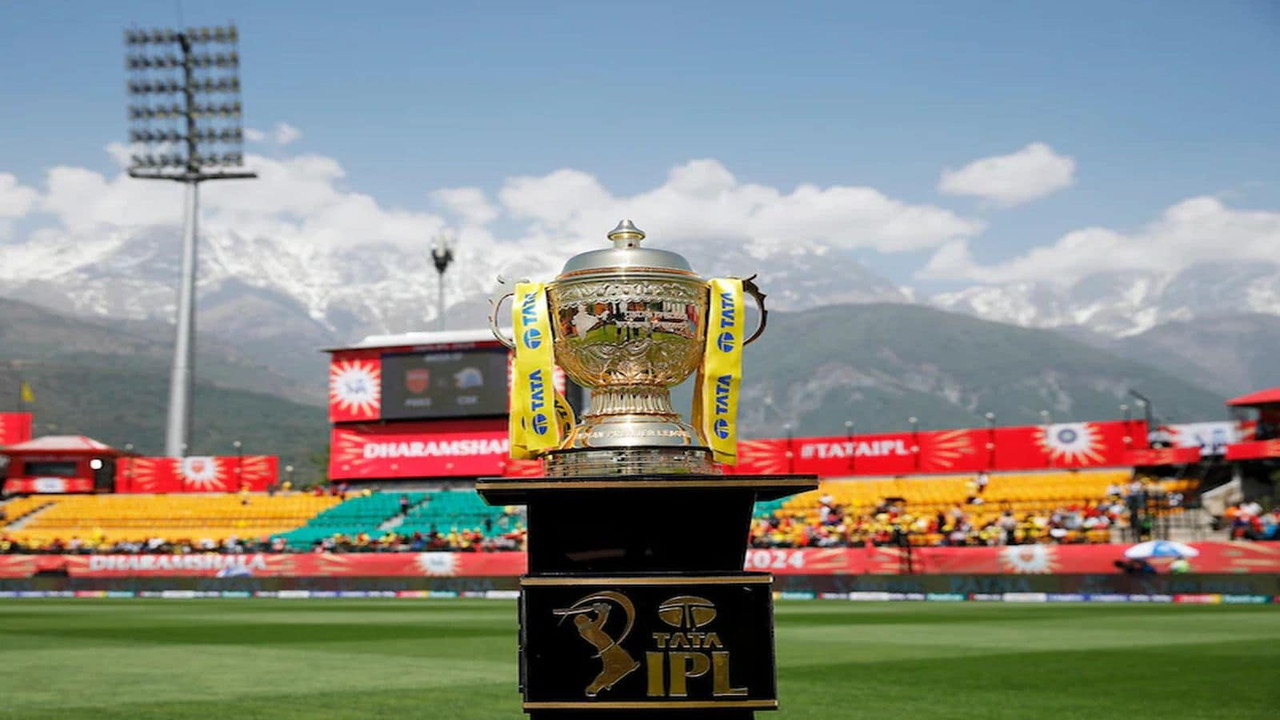
The official playoff dates were May 26 for Qualifier 1, May 27 for the Eliminator, May 29 for Qualifier 2 and May 31 for the final. Qualifier 1 took place at the HPCA Stadium in Dharamshala, while the Eliminator and Qualifier 2 were held at the New International Cricket Stadium in New Chandigarh. The championship match was played at the Narendra Modi Stadium in Ahmedabad. Bengaluru had originally been designated to host the final, but the venue was subsequently reassigned.
The Importance of the Playoff Format
The playoff system rewards teams for finishing near the top of the league table. In particular, the top two teams receive an additional opportunity to reach the final after losing Qualifier 1. This structure can make league-stage consistency valuable beyond simply securing qualification. Teams that finish higher have a different route through the knockout rounds than those placed third or fourth.
For players and coaches, the playoff stage also demands a different approach to risk. In the league stage, a team may have several future opportunities to recover from a defeat. In knockout matches, a poor performance can immediately end a championship campaign. Captains must therefore balance aggressive tactics with sensible decision-making, especially when choosing bowling changes, managing the final overs or deciding when to accelerate with the bat.
How to Follow the IPL 2026 Schedule Effectively
Keeping track of a long tournament becomes easier when fixtures are organised by date, team and venue. Rather than checking the entire list before every match, fans can maintain a short personal calendar containing the games they most want to watch. This approach is particularly useful for supporters of franchises that play across several cities or have matches scheduled close together.
A few simple habits can make following the competition more convenient:
-
Check the match date, opponent and venue before planning to watch or attend a game.
-
Convert the published start time into your local time zone if you are watching from outside India.
-
Review the latest standings and net run rate after important league matches.
-
Keep track of playoff dates separately because knockout fixtures have a different level of significance.
It is also helpful to distinguish fixtures from results. A schedule tells readers when and where a match is expected to take place, while a results record confirms what happened after the game ended. For a completed season, the most useful overview combines the original fixtures with final scores, team standings and playoff outcomes. This makes it easier to understand the progression of the tournament rather than treating every match as an isolated event.
Conclusion
The ipl 2026 schedule brought together ten franchises for a 74-match tournament that ran from March 28 to May 31. It included 70 league-stage matches, a series of afternoon and evening double-headers, fixtures across multiple Indian cities and four playoff games that determined the champion. From the opening contest between Royal Challengers Bengaluru and Sunrisers Hyderabad to the final in Ahmedabad, the season provided a structured path from the first league fixture to the championship decider.
Understanding the dates, timings, participating teams and venues gives cricket fans a clearer picture of how the competition was organised. The league-stage points system made consistency important, while the playoff format rewarded teams that performed well enough to secure favourable positions. With the final played on May 31, the 2026 edition is now complete. Readers reviewing its fixtures can use the schedule alongside match results and standings to understand the season’s key stages and the route each franchise followed through the tournament.