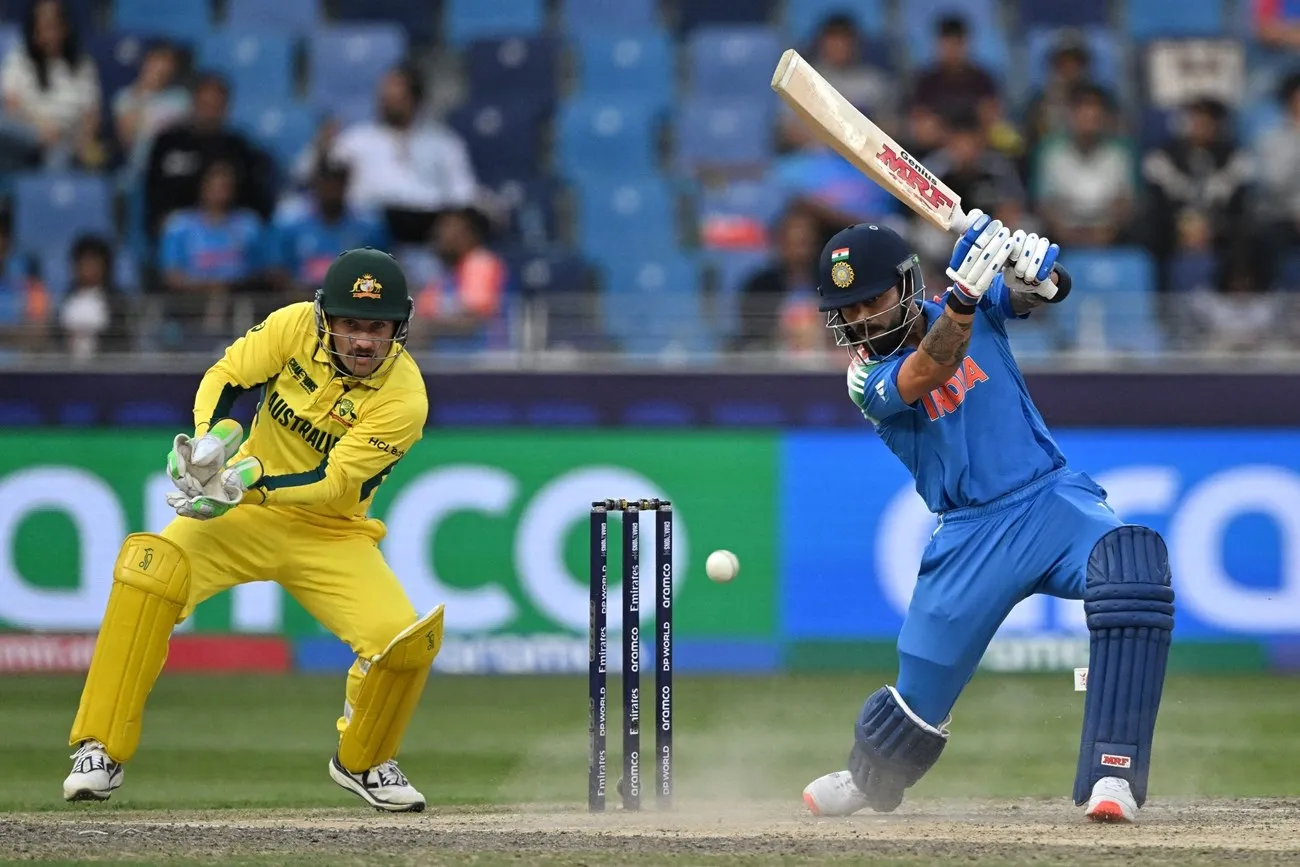
Cricket becomes significantly more exciting when two of the world’s strongest teams compete against each other. The india vs australia rivalry represents a remarkable combination of sporting excellence, competitive spirit, tactical intelligence, and unforgettable performances. From challenging Test matches to high-pressure international tournaments, both countries have created memorable moments that continue to influence modern cricket.
Australia has traditionally been recognised for its aggressive approach, disciplined bowling, and ability to perform under pressure. India, meanwhile, has developed into a formidable international cricket team through exceptional batting depth, talented fast bowlers, quality spinners, and effective leadership. These contrasting strengths make every encounter unpredictable and entertaining.
As international cricket continues to evolve in 2026, the rivalry remains particularly important for supporters, emerging cricketers, and cricket analysts. With changing team combinations, younger players, advanced performance analysis, and demanding international schedules, both nations are constantly developing new strategies to maintain their competitive advantage.
The History of the Indian and Australian Cricket Rivalry
The cricketing relationship between India and Australia began in 1947 when India toured Australia for its first Test series against the country. Australia possessed considerably more international experience during those early years, while India was still developing its identity in international cricket. Legendary Australian cricketer Don Bradman played an important role in establishing Australia’s early dominance. However, Indian cricket gradually improved through domestic development, international exposure, and the emergence of technically skilled players capable of performing in difficult overseas conditions.
The rivalry became increasingly competitive during the 1990s and early 2000s. Players such as Sachin Tendulkar, Rahul Dravid, Sourav Ganguly, Ricky Ponting, Shane Warne, and Glenn McGrath transformed these encounters into extraordinary sporting contests. India’s historic Test series victory in 2001 marked a significant turning point. Since then, both countries have regularly challenged each other across different formats, establishing a rivalry that extends beyond traditional home-ground advantages.
Latest Cricket Scenario in 2026
As of November 2026, the india vs australia rivalry is entering another important phase, with attention increasingly shifting towards the upcoming Border-Gavaskar Trophy. According to the announced BCCI international home schedule, India will host Australia for a five-match Test series beginning on January 21, 2027, in Nagpur. The series will provide both countries with an opportunity to demonstrate their red-ball capabilities and strengthen their positions in international Test cricket.
India’s preparations will involve developing reliable batting combinations, managing fast-bowling workloads, and identifying effective spin-bowling options. Australia will face the challenge of adapting to Indian pitches while maintaining its traditionally competitive approach. The upcoming series is expected to attract considerable attention because of the history between these teams and the importance of performing consistently throughout a lengthy Test campaign.
Recent Match Results and Major Cricket Developments
Recent encounters between these two cricketing nations demonstrate how competitive their relationship has become. During the 2024–25 Border-Gavaskar Trophy, Australia secured a 3–1 series victory despite losing the opening Test in Perth. Australia’s comeback highlighted its bowling discipline, batting resilience, and ability to recover from challenging situations. India produced several impressive individual performances but struggled to maintain consistency throughout the five-match series.
However, India responded strongly during the 2025 ICC Champions Trophy. On March 4, 2025, India defeated Australia by four wickets in the semifinal, with Virat Kohli contributing an important 84 runs. Later, during India’s white-ball tour of Australia in October and November 2025, Australia won the ODI series 2–1, while India secured the T20I series by the same margin. These contrasting results demonstrate that neither country enjoys complete dominance across every format.
Upcoming Border-Gavaskar Trophy 2027 Schedule
The upcoming india vs australia Test series represents one of the most anticipated events on the international cricket calendar. The five-match competition will take place across different Indian cities, offering both teams an opportunity to compete under varying weather and pitch conditions. Australia will aim to defend the trophy, while India will attempt to reclaim it through strong performances on home soil.
The following table presents the announced schedule for the 2027 Border-Gavaskar Trophy.
| Test Match | Scheduled Dates | Venue | Format |
|---|---|---|---|
| First Test | January 21–25, 2027 | Nagpur | Test |
| Second Test | January 29–February 2, 2027 | Chennai | Test |
| Third Test | February 11–15, 2027 | Guwahati | Test |
| Fourth Test | February 19–23, 2027 | Ranchi | Test |
| Fifth Test | February 27–March 3, 2027 | Ahmedabad | Test |
The schedule includes sufficient breaks between certain matches, allowing players to recover and coaching staff to evaluate performances. Nevertheless, maintaining physical fitness and mental concentration throughout five Test matches will remain a significant challenge for both teams. The announced fixtures may also be subject to changes by cricket authorities.
Head-to-Head Competition Across International Formats
India and Australia have developed impressive records against each other in international cricket. Australia historically established a strong position in Test and ODI cricket, particularly during periods when its team included several world-class players. India has significantly narrowed the competitive gap through improvements in domestic cricket, professional training facilities, and international experience.

The head-to-head relationship is particularly interesting because performances often depend on playing conditions. Australia traditionally benefits from pitches offering pace and bounce, while India frequently performs well on surfaces that support spin bowling. Nevertheless, modern players have become increasingly adaptable, making historical advantages less reliable when predicting future results. Both teams now possess players capable of succeeding in unfamiliar environments.
Test Cricket Rivalry
Test cricket remains the most demanding format of this rivalry. Unlike limited-overs matches, Test cricket requires sustained concentration, technical accuracy, physical endurance, and patient decision-making. A single difficult session can completely change the direction of a match, making consistency essential.
India’s consecutive Test series victories in Australia during 2018–19 and 2020–21 demonstrated the country’s remarkable progress in overseas cricket. Australia’s subsequent recovery during the 2024–25 series reinforced its competitive strength. These achievements have established the Border-Gavaskar Trophy as one of the most closely followed bilateral Test competitions in international cricket.
One-Day International Competition
One-Day International cricket offers a fascinating combination of controlled batting, aggressive scoring, strategic bowling, and effective fielding. Australia has historically demonstrated exceptional tournament management, particularly during ICC competitions. Its ability to remain composed during knockout matches has frequently produced successful results.
India has also developed considerable strength in ODI cricket through experienced batting combinations and versatile bowling attacks. Successful run chases, effective middle-order partnerships, and disciplined bowling during the final overs remain important elements of India’s approach. Matches between these teams often highlight the importance of balancing aggression with intelligent decision-making.
T20 International Encounters
The india vs australia T20 rivalry reflects the rapidly changing nature of modern cricket. Batters increasingly attempt innovative shots, while bowlers develop variations designed to restrict scoring opportunities. Fielding standards and individual athleticism also play a major role in determining outcomes.
India benefits from a highly competitive domestic T20 ecosystem that exposes emerging players to international-level opposition. Australia similarly develops aggressive batters and versatile all-rounders through its domestic competitions. Consequently, T20 matches between these countries frequently feature high scoring rates, dramatic momentum changes, and unpredictable finishes.
Memorable Matches That Defined the Rivalry
Several historic encounters have established this cricketing rivalry as a global sporting attraction. The 2001 Kolkata Test remains one of its most extraordinary examples. India recovered after following on, with VVS Laxman scoring 281 runs and Rahul Dravid contributing 180. Their partnership transformed a difficult situation into an unforgettable victory.
The Brisbane Test in January 2021 provided another remarkable chapter. India successfully chased a challenging target at the Gabba, ending Australia’s long unbeaten Test run at the venue. Australia’s victory in the 2023 ODI World Cup final and India’s response in the 2025 Champions Trophy semifinal further demonstrate how quickly momentum can change between these two exceptional cricketing nations.
Some particularly memorable encounters include:
-
The historic Kolkata Test victory in 2001.
-
India’s first Test series victory in Australia in 2018–19.
-
India’s remarkable Gabba victory in January 2021.
-
Australia’s ODI World Cup final triumph in November 2023.
-
India’s Champions Trophy semifinal victory in March 2025.
These matches remain important because they demonstrate resilience, individual brilliance, tactical intelligence, and the unpredictable nature of international cricket.
Indian Players and Their Importance in the Rivalry
India’s cricketing success has traditionally been supported by technically gifted batters, creative spin bowlers, and increasingly effective fast-bowling combinations. Sachin Tendulkar, Rahul Dravid, Virat Kohli, Rohit Sharma, and Ravichandran Ashwin have contributed significantly to the history of this rivalry through memorable performances.
As Indian cricket moves towards another generation, players such as Shubman Gill, Yashasvi Jaiswal, Rishabh Pant, and Jasprit Bumrah represent important strengths across different formats. Their ability to perform against Australia’s disciplined bowling attack and aggressive batting combinations could influence future encounters. However, participation in upcoming matches will depend on fitness, selection decisions, and format-specific requirements.
The Growing Importance of Indian Fast Bowling
One of the biggest transformations in Indian cricket has been the development of its fast-bowling department. India previously relied heavily on spin bowling, particularly during home matches. However, improvements in conditioning, bowling techniques, and domestic development have helped produce internationally competitive pace bowlers.
Jasprit Bumrah’s unconventional action, accuracy, and ability to generate movement make him particularly effective against quality batting lineups. Fast bowlers who can deliver consistent performances in different conditions provide India with additional tactical flexibility, reducing its dependence on spin-friendly surfaces.
Australian Players and Their Competitive Strengths
Australia’s cricketing identity has consistently been associated with aggressive batting, effective fast bowling, and strong mental preparation. Legendary players such as Ricky Ponting, Steve Waugh, Shane Warne, and Glenn McGrath established exceptionally high competitive standards that continue to influence Australian cricket.
In more recent years, players such as Pat Cummins, Mitchell Starc, Steve Smith, Travis Head, and Nathan Lyon have played important roles in contests against India. Their experience demonstrates Australia’s ability to develop players capable of handling difficult international situations. As experienced cricketers approach different stages of their careers, Australia must also develop younger talent to maintain long-term competitiveness.
Australia’s Tactical Bowling Approach
The Australian bowling system places considerable importance on accuracy, controlled aggression, and collective planning. Fast bowlers regularly attempt to exploit weaknesses through consistent deliveries, while spinners create pressure through changes in flight, pace, and movement.
Against India, these strategies become particularly important because Indian batters are generally comfortable facing spin bowling. Australian bowlers must therefore identify effective wicket-taking opportunities rather than relying solely on favourable pitch conditions.
Pitch Conditions and Home-Ground Advantages
Pitch conditions significantly influence the outcome of every india vs australia encounter. Australian cricket grounds generally provide greater pace and bounce than many Indian venues. These characteristics challenge batters’ defensive techniques, footwork, and ability to judge deliveries outside the off stump.
Indian pitches, meanwhile, may increasingly support spin bowling as matches progress. Dry conditions and surface deterioration can create uneven bounce and greater turn. However, modern Indian venues offer considerable variety, and successful teams must prepare for different possibilities instead of assuming every pitch will favour a particular bowling style.
Weather conditions, humidity, temperature, and outfield characteristics can also affect match strategies. Captains must carefully evaluate these factors before choosing whether to bat or bowl after winning the toss.
The Role of Captaincy and Strategic Decisions
Effective captaincy becomes particularly important when two highly competitive teams face each other. Captains must assess opposition weaknesses, manage bowling rotations, establish appropriate field placements, and maintain communication with their players.
In Test cricket, strategic decisions can influence the outcome over several days. A well-timed declaration, an intelligent bowling change, or an aggressive field setting may create valuable opportunities. Limited-overs captaincy requires equally careful planning but often demands faster decisions because fewer deliveries are available.
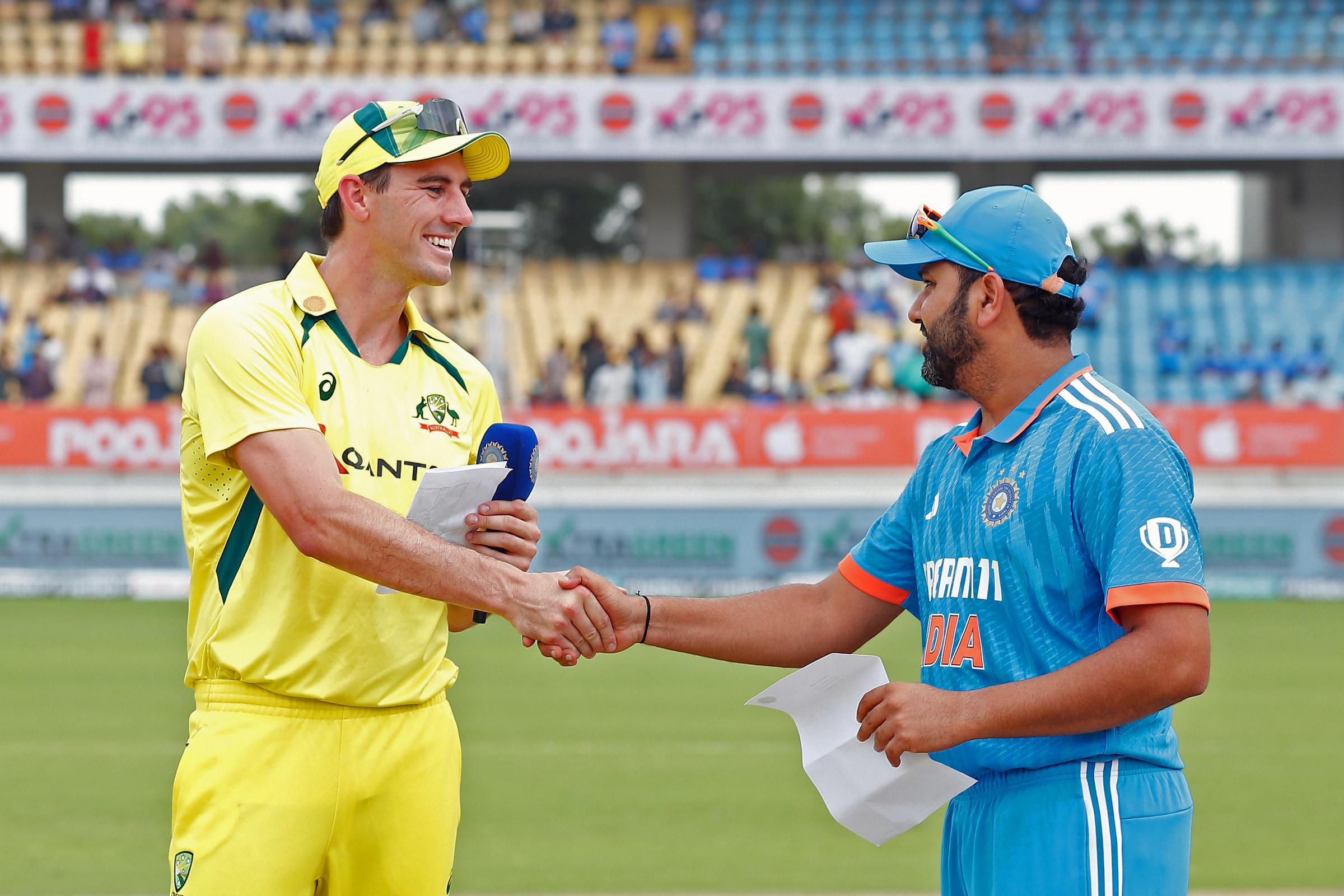
Modern teams also benefit from professional analysts who identify opposition scoring patterns and bowling preferences. Nevertheless, successful leadership ultimately depends on interpreting available information and making appropriate decisions during unpredictable match situations.
The Influence of Technology on Modern Cricket
Technology has introduced significant changes to how international teams prepare for competition. Video analysis, ball-tracking systems, performance monitoring, and advanced statistical tools allow coaches to identify strengths and weaknesses more effectively.
During an india vs australia match, analysts may examine batting techniques, bowling lengths, scoring areas, and fielding patterns. This information helps teams create strategies suited to individual opponents. For example, identifying a batter’s difficulty against a particular delivery can help bowlers establish more effective plans.
Technology also supports player fitness management. Monitoring training intensity, recovery periods, and physical workloads enables coaching staff to make better preparation decisions. However, practical experience and individual judgement remain essential because statistical information cannot predict every match situation.
Challenges Facing Both Cricket Teams in 2026
India and Australia face several common challenges as international cricket becomes increasingly demanding. Busy schedules require players to switch between different formats, travel frequently, and maintain high physical standards. Managing these responsibilities becomes particularly difficult for fast bowlers and multi-format players.
Another challenge involves balancing experienced cricketers with emerging talent. Selecting younger players can support long-term development, but international competition against strong opponents demands immediate performance. Team management must therefore provide suitable opportunities without compromising overall competitiveness.
Both teams must focus on several important areas:
-
Effective player workload and injury management.
-
Developing reliable emerging international cricketers.
-
Improving adaptability across different playing conditions.
-
Maintaining consistent batting and bowling performances.
-
Strengthening mental preparation for high-pressure matches.
Addressing these challenges effectively could provide either country with an important competitive advantage during future bilateral series and international tournaments.
Fan Engagement and Global Popularity
The popularity of this cricketing rivalry extends far beyond stadium attendance. Millions of supporters follow matches through television broadcasts, digital platforms, social media discussions, and sports news coverage. Fans frequently analyse team selections, individual performances, historical records, and possible match outcomes.
Digital engagement has also introduced new opportunities for cricket organisations to connect with younger audiences. Match highlights, interactive statistics, player interviews, and behind-the-scenes content make the sport more accessible. The emotional connection between supporters and their national teams ensures that these encounters remain significant even outside major international tournaments.
Future Expectations for Indian and Australian Cricket
The future of the india vs australia rivalry appears highly promising, with both countries investing in player development, domestic competitions, sports science, and coaching infrastructure. The upcoming 2027 Border-Gavaskar Trophy will provide an important opportunity to evaluate how effectively these investments translate into international performances.
Beyond Test cricket, the 2027 ODI World Cup will become another major focus for both nations. Developing balanced squads, identifying reliable combinations, and preparing for unfamiliar conditions will remain important priorities. Although predicting future winners is difficult, both countries possess the cricketing infrastructure and talent required to remain highly competitive.
Frequently Asked Questions
1. When will India and Australia play their next Test series?
The upcoming men’s Border-Gavaskar Trophy is scheduled to begin on January 21, 2027, in Nagpur. The five-match series is expected to conclude on March 3, 2027, in Ahmedabad, according to the announced schedule.
2. Who won the 2024–25 Border-Gavaskar Trophy?
Australia won the 2024–25 Border-Gavaskar Trophy by a 3–1 margin. India won the opening Test in Perth, but Australia recovered strongly to secure the series.
3. Who won the 2025 Champions Trophy semifinal between India and Australia?
India defeated Australia by four wickets on March 4, 2025, in Dubai. Virat Kohli scored 84 runs and made an important contribution to India’s successful run chase.
4. Why is the Border-Gavaskar Trophy so important?
The Border-Gavaskar Trophy represents the prestigious bilateral Test competition between India and Australia. Named after legendary cricketers Allan Border and Sunil Gavaskar, it celebrates the cricketing relationship between both nations.
5. Which team is stronger in international cricket?
Both teams possess different strengths. Australia has an exceptional history in ICC tournaments, while India has demonstrated considerable competitiveness across international formats. Their relative strength depends on current form, team selection, playing conditions, and match format.
6. Who won the 2025 ODI and T20I series in Australia?
Australia won the three-match ODI series 2–1 in October 2025. India subsequently won the five-match T20I series 2–1, with two matches affected by rain and ending without results.
7. How many Tests will Australia play in India in 2027?
Australia is scheduled to play five Test matches in India during the 2027 Border-Gavaskar Trophy. The matches will take place in Nagpur, Chennai, Guwahati, Ranchi, and Ahmedabad.
Conclusion
The india vs australia rivalry represents much more than an ordinary international cricket competition. It brings together exceptional talent, historic achievements, strategic intelligence, passionate supporters, and contrasting cricketing traditions. From memorable Test victories to dramatic ICC tournament encounters, both nations have contributed enormously to the development and popularity of international cricket.
As attention shifts towards the 2027 Border-Gavaskar Trophy, team preparation, player fitness, emerging talent, and adaptability will become increasingly important. India will aim to reclaim the prestigious trophy on home soil, while Australia will seek to maintain its competitive position. Regardless of future results, this remarkable rivalry will continue to inspire cricket enthusiasts and produce memorable sporting experiences for generations.