India vs South Africa: Cricket Rivalry, Key Players and Match Insights

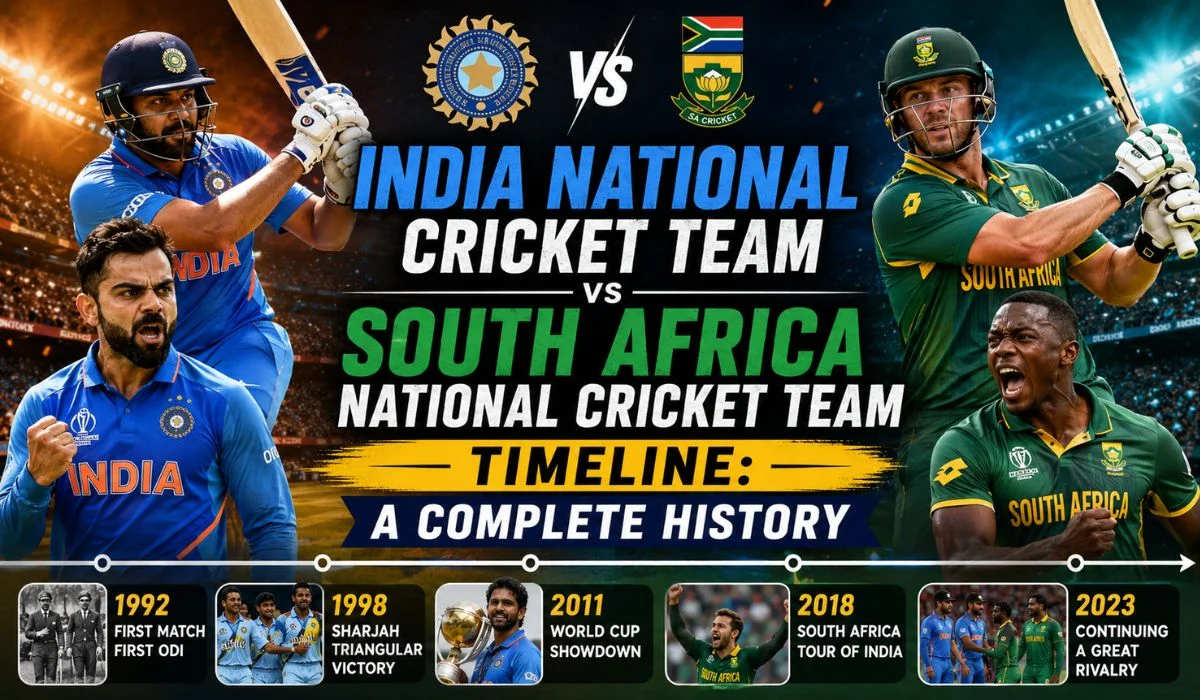
Cricket has produced several memorable rivalries over the years, and the contest between India and South Africa is undoubtedly one of the most exciting. Both nations have developed strong cricketing traditions, produced world-class players and delivered unforgettable performances across Test matches, One Day Internationals (ODIs) and Twenty20 Internationals (T20Is). Whenever these teams meet, supporters expect competitive cricket, impressive batting performances, disciplined bowling and plenty of dramatic moments.
The popularity of india vs south africa goes beyond the result of an individual match. It represents a contest between two different cricketing cultures. India is widely recognised for its technically gifted batters, spin-bowling resources and passionate cricket audience, while South Africa has traditionally been associated with fast bowling, athletic fielding and aggressive batting. These contrasting strengths make their encounters particularly interesting for cricket enthusiasts.
In modern international cricket, both teams continue to evolve through emerging talent, experienced international stars and changing playing strategies. Their performances in major tournaments also demonstrate why this rivalry remains important in world cricket. Understanding their history, playing styles, important players and recent developments provides a broader picture of what makes this matchup so special.
The History of the India and South Africa Cricket Rivalry
South Africa returned to international cricket in 1991 after the end of its sporting isolation. This development opened the door to a new chapter in international cricket, including regular competition against India. Their early encounters helped establish a rivalry that gradually became one of the most closely followed contests in international cricket.
Over the decades, both countries have experienced periods of dominance. India has enjoyed considerable success at home, where familiar conditions, spin-friendly pitches and strong batting line-ups often provide an advantage. South Africa, meanwhile, has historically been a difficult opponent on its home grounds, where pace, bounce and movement can challenge visiting batters.
One of the most interesting aspects of this rivalry is how performances change according to playing conditions. A match in India may involve long partnerships, spin bowling and careful batting, whereas a match in South Africa can demand greater technical adjustment against fast bowlers. Teams must prepare differently for each environment, making international tours important tests of adaptability.
India vs South Africa Across Different Cricket Formats
The two teams have competed in all three major international formats. Each format creates a different type of contest because the time available, scoring requirements and tactical priorities are not the same.
Test Cricket: A Battle of Patience and Technique
Test cricket is one of the most demanding aspects of the India-South Africa rivalry. It requires players to maintain concentration over several sessions and adapt to changing pitch conditions. Batters must balance attacking opportunities with defensive discipline, while bowlers need to create pressure through consistent lines, lengths and movement.
India has developed a reputation for producing quality spin bowlers and technically strong middle-order batters. South Africa has traditionally relied on its fast-bowling tradition, using pace, bounce and seam movement to challenge opposing teams. These strengths create fascinating contests, particularly when matches take place in unfamiliar conditions.
Test matches between the nations can also become important examinations of team depth. Injuries, changing weather and difficult batting conditions often require contributions from players outside the first-choice combination. A successful team needs more than one outstanding performer; it needs consistent contributions throughout the playing XI.
One Day Internationals: Strategy Meets Consistency
ODI cricket combines the patience of longer-format batting with the urgency of limited-overs scoring. Teams must manage 50 overs, build partnerships, preserve wickets and accelerate when the opportunity arrives. India and South Africa have both produced powerful ODI batting line-ups capable of changing a match within a short period.
India often focuses on establishing a stable foundation during the early overs before increasing the scoring rate in the middle and final stages. South Africa is also known for aggressive batting and the ability to generate momentum through powerful stroke-makers. However, the effectiveness of these approaches depends on pitch conditions, bowling combinations and the match situation.
The final ten overs frequently become decisive. A team with wickets available can target boundaries and increase its total, while bowlers must execute accurate yorkers, slower deliveries and variations to control the scoring rate.
T20 Internationals: Power, Precision and Fast Decisions
T20 cricket brings another dimension to the rivalry. With only 20 overs available to each team, every decision can influence the result. Batters are expected to score quickly, bowlers must defend relatively small margins and fielders need to convert difficult opportunities into dismissals.
In this format, flexibility is particularly valuable. A batter may be promoted to exploit a favourable bowling matchup, while a spinner might be introduced earlier to interrupt an aggressive partnership. Both teams have the resources to experiment with different combinations depending on the opposition.
The T20 format also gives emerging players opportunities to demonstrate their abilities on an international stage. Young batters, fast bowlers and all-rounders can become important contributors when they handle pressure effectively.
Current Cricket Scenario and Recent Developments
International cricket schedules are constantly changing, with teams preparing for bilateral series, ICC tournaments and important overseas assignments. As of November 18, 2026, India has recently completed its five-match ODI and five-match T20I series against New Zealand. India won the ODI series 3–1 and the T20I series 3–2, demonstrating its ability to compete across different formats.
South Africa, meanwhile, is involved in an international Test series against Bangladesh in November 2026. The opening Test is taking place at the Wanderers Stadium in Johannesburg, with the second Test scheduled for Centurion from November 23.

These developments provide useful context for understanding the current international form of both teams. However, an upcoming India-South Africa fixture should not be assumed without an officially confirmed schedule. Cricket supporters should distinguish between confirmed fixtures, historical results and anticipated future encounters.
The broader cricketing calendar also makes the rivalry relevant because both countries regularly compete in major international competitions. Their performances against different opponents help coaching teams assess combinations, identify weaknesses and prepare players for demanding contests.
Key Players Who Make This Rivalry Special
Individual performances often become the defining feature of international cricket. India and South Africa have produced exceptional batters, fast bowlers, spinners and all-rounders who have influenced important matches.
India’s Batting Strength
India’s batting tradition has been built around technically accomplished players who can adapt to different conditions. Experienced batters bring composure and match awareness, while younger players contribute attacking instincts and fresh approaches. This combination allows the team to build innings patiently or increase the scoring rate when necessary.
Players such as Virat Kohli and Rohit Sharma have played significant roles in India’s modern international cricket journey. Their experience, ability to handle pressure and understanding of match situations have made them influential figures. Emerging batters also provide additional options, particularly in limited-overs cricket, where adaptability and innovative shot selection are valuable.
South Africa’s Batting Firepower
South Africa has developed a strong reputation for producing aggressive and technically capable batters. Its batting approach often combines powerful stroke-making with the ability to construct partnerships. Players such as Aiden Markram, David Miller and Heinrich Klaasen represent different aspects of the country’s modern batting resources.
Markram offers flexibility and the ability to build an innings, while Miller has earned recognition for his finishing ability in limited-overs cricket. Klaasen brings attacking power, particularly against spin bowling. The contribution of such players can make South Africa dangerous during the middle and final stages of an innings.
Bowling Resources of Both Teams
Bowling quality is another important reason these matches remain competitive. India has traditionally invested in a balanced attack featuring fast bowlers, wrist spinners and finger spinners. South Africa has a particularly strong fast-bowling heritage, with pace and bounce often playing important roles in its bowling strategy.
The effectiveness of a bowling attack depends on more than individual speed or spin. Accuracy, variations, fitness and the ability to understand batter weaknesses are equally important. A bowler who controls the scoring rate during a difficult partnership can create opportunities for the entire team.
Important Differences Between the Two Teams
Although both nations compete at the highest international level, their traditional cricketing strengths are not identical. These differences influence team selection, match preparation and tactical decisions.
| Cricketing aspect | India | South Africa |
|---|---|---|
| Traditional strength | Batting depth and spin bowling | Fast bowling and athletic fielding |
| Batting approach | Combination of stability and aggression | Powerful stroke play and partnerships |
| Bowling resources | Pace, spin and variations | Pace, seam and bounce |
| Home advantage | Familiarity with varied Indian pitches | Familiarity with pace-friendly conditions |
| Key requirement overseas | Adapting to bounce and movement | Adjusting to spin and slower surfaces |
These are broad cricketing characteristics rather than fixed rules. Both teams have developed more balanced squads, and modern international cricket requires players to perform in different conditions. India has improved its fast-bowling resources, while South Africa has continued to develop players capable of handling spin and varied surfaces.
Factors That Can Decide an India-South Africa Match
A competitive international match is rarely decided by one factor alone. Conditions, team combinations, individual form and tactical decisions work together to determine the final outcome.
1. Pitch and Weather Conditions
The playing surface has a major influence on how a match develops. Indian pitches can offer different amounts of turn, bounce and assistance to fast bowlers depending on the venue. South African surfaces often provide additional pace and bounce, although conditions vary from ground to ground.
Weather can also influence the contest. Cloud cover may assist swing bowling, while humidity and heat can affect player fitness and fielding standards. Teams that assess the conditions correctly before the toss can make more effective decisions about their playing combinations.
2. Opening Partnerships
A strong start can give a batting side control over the match. In Test cricket, opening batters need to survive the new ball and protect the middle order from early pressure. In ODIs and T20Is, they must balance scoring opportunities with the importance of preserving wickets.
If India or South Africa loses early wickets, the opposition can introduce attacking field placements and create pressure. Conversely, a stable opening partnership gives the middle order greater freedom to accelerate.
3. Middle-Over Control
The middle overs are particularly important in limited-overs cricket. Teams must prevent the opposition from building comfortable partnerships while maintaining enough scoring momentum to remain competitive.
Spinners, change-of-pace bowlers and disciplined fast bowlers often become important during this stage. Batters must rotate the strike, identify scoring opportunities and avoid unnecessary risks.
4. Death-Over Performance
The final overs frequently determine the difference between a competitive total and a match-winning one. Batters look for boundaries, while bowlers attempt to limit scoring through accurate execution and smart variations.
Fielding standards become equally important because a dropped catch or missed run-out opportunity can change the direction of a close contest.
How Team Strategies Influence the Contest
Modern cricket is increasingly influenced by data analysis, player matchups and detailed preparation. Coaching teams examine previous performances to understand how individual batters respond to particular bowling styles. They also study opposition weaknesses to select the most suitable bowling combinations.
For example, if a South African batter is particularly comfortable against pace but less effective against quality spin, India may consider introducing a spinner at a strategically useful moment. Similarly, South Africa may use its fast bowlers to challenge Indian batters with short-pitched deliveries and changes in length when the conditions support that approach.
Team balance is another major consideration. Selecting too many specialist batters can weaken the bowling attack, while choosing an excessive number of bowlers can reduce batting depth. Successful teams generally aim for a combination that provides enough flexibility to handle different match situations.
Why Fans Follow India vs South Africa So Closely
The popularity of india vs south africa is connected to the quality and unpredictability of the cricket played between these nations. Supporters from both countries follow international fixtures with enthusiasm because they expect competitive performances from established stars and emerging players.
Indian supporters often look for strong batting performances, effective spin bowling and successful overseas results. South African supporters value disciplined bowling, powerful batting and the ability to challenge strong opponents in difficult conditions. These expectations create an exciting atmosphere whenever the teams face each other.
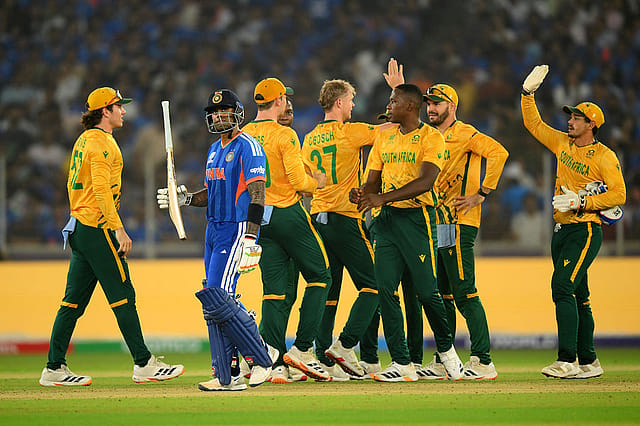
Television coverage, digital cricket platforms and social media have also changed how fans experience international cricket. Supporters can follow live commentary, score updates, player statistics and expert discussions without waiting for the end of a match. This has helped expand the audience for international cricket and made individual performances easier to analyse.
Another reason for the rivalry’s popularity is the presence of players who can change the result through individual brilliance. A century, a five-wicket haul, an exceptional catch or a successful final-over defence can become a memorable moment for supporters.
The Importance of Home and Away Performances
Home advantage is an important element of international cricket. Teams generally become more comfortable when playing in familiar conditions because they understand the behaviour of local pitches, weather patterns and ground dimensions. However, international teams are also judged by their ability to perform away from home.
India’s overseas performances have become an important measure of its development as a cricketing nation. Competing in South Africa requires Indian batters to adjust their footwork, judge bounce carefully and respond to fast bowling. The challenge is particularly demanding when the pitch offers movement early in the innings.
South Africa faces a different challenge when travelling to India. Its players must become comfortable against spin, slower pitches and changing field placements. Batting patiently and using their feet effectively can help them handle these conditions.
This home-and-away contrast adds another dimension to india vs south africa. Winning away from home demonstrates preparation, confidence and the ability to adjust to unfamiliar playing environments. It also provides valuable experience for players who want to establish themselves as consistent international performers.
The Role of Young Players and Emerging Talent
The future of both cricket teams depends on their ability to identify and develop talented young players. International cricket has become increasingly competitive, and established stars cannot be expected to carry a team in every match. Emerging players must be prepared to take responsibility when opportunities arise.
India has a large domestic cricket structure that provides opportunities through first-class competitions, domestic limited-overs tournaments and the Indian Premier League. These platforms help players develop their skills against experienced professionals before entering international cricket. Strong domestic performances can also create competition for places in the national team.
South Africa similarly benefits from its domestic cricket system and franchise competitions. Young players gain experience by competing against established international cricketers and learning how to manage challenging match situations.
The introduction of younger players also creates new tactical possibilities. An emerging batter may offer an aggressive approach, while a young fast bowler may bring additional pace or a different bowling angle. Such qualities can help both teams remain competitive as international cricket continues to evolve.
What Makes a Winning Team in This Rivalry?
Winning against a strong international opponent requires consistency across every department. A team cannot depend entirely on its batting line-up or expect its bowlers to solve every problem. The most successful performances usually involve coordinated contributions from the entire squad.
Some of the most important qualities include:
-
Strong partnerships that provide stability during difficult periods.
-
Disciplined bowling that creates pressure and limits scoring opportunities.
-
Athletic fielding that saves runs and converts chances into wickets.
-
Effective leadership that makes timely decisions under pressure.
Apart from these qualities, mental strength is equally important. Players must remain confident after losing wickets, conceding boundaries or facing unexpected changes in match conditions. A team that maintains its concentration throughout the contest has a better opportunity to recover from difficult situations.
The Future of India and South Africa Cricket Encounters
The future of this international rivalry looks promising because both countries continue to invest in player development, coaching, fitness and modern cricketing techniques. Their international schedules provide opportunities to test new combinations and prepare for major tournaments.
The growing popularity of T20 cricket has also influenced the way players approach the game. Batters are developing innovative shots, bowlers are experimenting with different variations and fielding standards are becoming increasingly demanding. At the same time, Test and ODI cricket continue to reward patience, consistency and tactical understanding.
Future india vs south africa encounters will remain interesting because both teams possess the resources to challenge each other in different conditions. The outcome will depend on player availability, current form, pitch behaviour and the ability of team management to select the right combination.
For supporters, the most exciting aspect is the possibility of witnessing new cricketing heroes emerge alongside established international stars. Every series provides another opportunity for players to create memorable performances and strengthen their country’s reputation.
Conclusion
India and South Africa share an important place in international cricket, with a rivalry built around competitive performances, contrasting playing styles and memorable individual achievements. Their contests across Test matches, ODIs and T20Is demonstrate how different cricketing approaches can produce exciting results. India’s batting depth and spin resources complement South Africa’s fast-bowling tradition and aggressive batting, creating an interesting challenge for both sides.
The popularity of india vs south africa is also supported by the passion of their cricket audiences and the quality of players representing both nations. While historical achievements provide context, future performances will depend on preparation, fitness, team balance and the ability to handle pressure. As international cricket continues to develop, encounters between these teams are expected to remain an important attraction for cricket enthusiasts around the world.