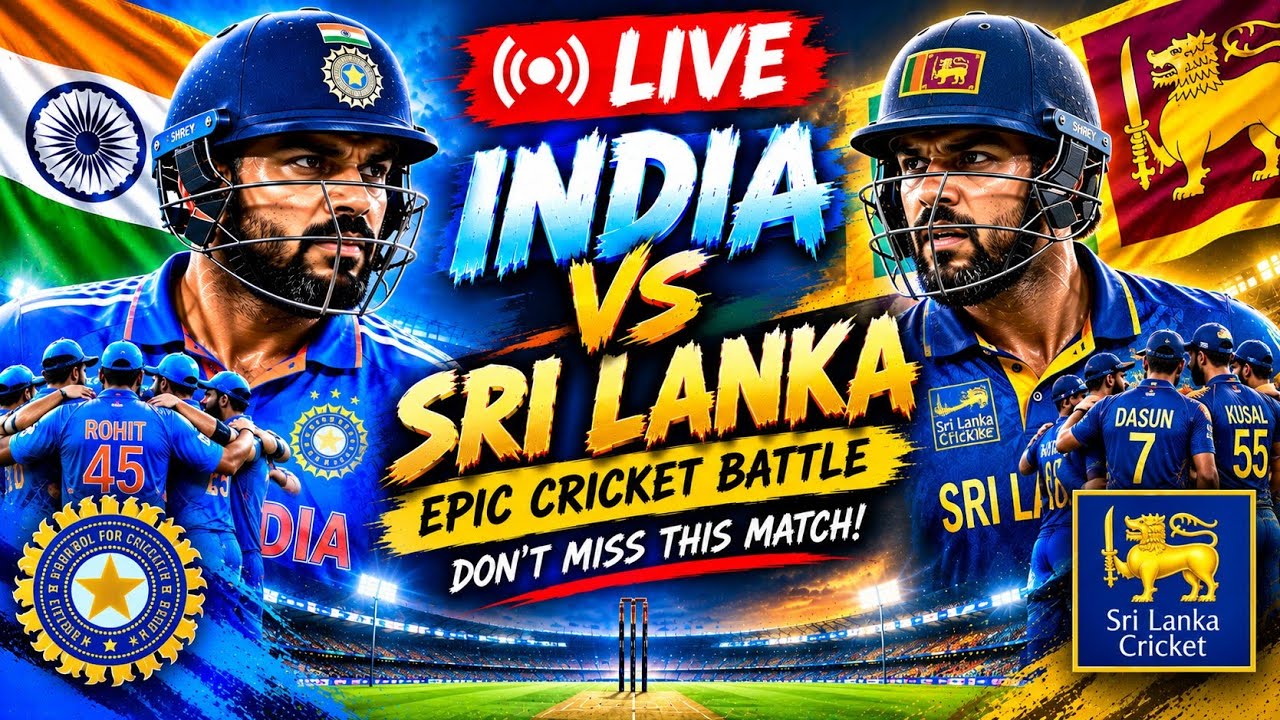
Cricket has produced several memorable rivalries over the decades, and the contest between India and Sri Lanka holds a special place in international cricket. Both countries have a rich cricketing culture, passionate supporters and a history of producing exceptional players. From thrilling One Day Internationals (ODIs) to competitive Test matches and entertaining T20 encounters, their meetings have provided fans with countless moments of excitement. The rivalry is built on sporting competition, mutual respect and the desire to perform on the biggest stages.
The story of india vs sri lanka is particularly interesting because both teams have experienced different periods of dominance. India has developed into one of the strongest cricketing nations through its batting depth, quality fast bowlers and experienced spin attack. Sri Lanka, meanwhile, has built its reputation through talented batters, clever spin bowling and a fearless approach to limited-overs cricket. Their encounters have featured dramatic finishes, remarkable individual performances and important tournament victories.
Over the years, the competition has changed with the introduction of new formats, modern training methods and younger generations of cricketers. Although the teams have different strengths and resources, every meeting offers an opportunity to test skills, strategies and temperament. Understanding their cricketing history, achievements and current direction helps explain why this international contest continues to attract attention.
The History of the India and Sri Lanka Cricket Rivalry
The cricketing relationship between India and Sri Lanka developed significantly after Sri Lanka became a full member of the International Cricket Council in 1981. Their international encounters gradually became an important part of the Asian cricket calendar. India had already established itself as a major cricketing nation, while Sri Lanka was building a competitive international side and working towards recognition among the world’s leading teams.
During the early years, India generally had greater international experience, but Sri Lanka quickly demonstrated that it could compete against established opponents. The emergence of technically gifted batters and disciplined bowlers helped the island nation develop a distinctive playing style. As both teams became regular participants in international tournaments, their matches started attracting larger audiences across the subcontinent.
One of the biggest turning points came during the 1990s, when Sri Lanka transformed itself into a powerful limited-overs team. Its aggressive batting approach changed how teams approached the opening overs of an ODI. India also continued to develop strong batting combinations and increasingly competitive bowling attacks. These developments made their contests more balanced and unpredictable.
Major Moments That Defined the Rivalry
Several important matches have contributed to the reputation of this cricketing contest. The 1996 Cricket World Cup semifinal is among the most discussed encounters in Sri Lankan cricket history. Sri Lanka defeated India in a controversial and emotionally charged match at Eden Gardens after crowd disturbances forced the game to be awarded to the visitors. Sri Lanka subsequently won the tournament, establishing itself as a world champion.
Another unforgettable chapter arrived in the 2011 Cricket World Cup final in Mumbai. India defeated Sri Lanka by six wickets to win its second men’s ODI World Cup. Sri Lanka posted a competitive total, with Mahela Jayawardene producing an outstanding century. India responded through important contributions from Gautam Gambhir and captain MS Dhoni, whose unbeaten 91 helped complete a historic victory. Dhoni’s winning six became one of the most recognizable moments in Indian cricket.
The teams have also produced memorable Asia Cup encounters. These matches carry additional significance because both countries compete against several strong Asian sides. A victory against a regional rival can influence tournament qualification, confidence and momentum.
India vs Sri Lanka Across Different Cricket Formats
The nature of the competition changes considerably depending on the format. Test cricket rewards patience, technical ability and endurance, while ODIs require a combination of controlled aggression and tactical planning. T20 cricket introduces a faster environment where individual performances can change the result within a few overs.
Test Cricket: A Battle of Technique and Patience
Test matches between the two nations have traditionally highlighted the importance of batting technique and spin bowling. Indian conditions often provide assistance to spinners, while Sri Lankan pitches can also offer turn as matches progress. Batters must therefore understand how to use their feet, judge the length of deliveries and manage pressure during extended innings.
India has historically enjoyed considerable success in Test cricket, supported by strong batting line-ups and experienced bowling combinations. Sri Lanka has also produced outstanding Test cricketers capable of changing the direction of a match. Players such as Kumar Sangakkara, Mahela Jayawardene and Muttiah Muralitharan have played significant roles in shaping the country’s international reputation.
One Day Internationals: Strategy Meets Aggression
ODIs have arguably provided some of the most memorable moments in this rivalry. The 50-over format requires teams to balance scoring speed with wicket preservation. India has often relied on technically strong top-order batters, powerful middle-order players and bowlers who can control the final overs.
Sri Lanka has traditionally been comfortable playing aggressive cricket, particularly during the powerplay. Its ability to produce unexpected partnerships and attacking bowling spells has made the format interesting. The 2011 World Cup final remains an excellent example of how both teams can deliver high-quality performances under enormous pressure.
T20 Internationals: Speed, Power and Innovation
T20 cricket has introduced a different dimension to their encounters. Batters are expected to score quickly, bowlers need multiple variations and captains must make decisions within limited time. A strong powerplay, effective death bowling and intelligent field placements can determine the outcome.
India’s growing T20 depth has allowed it to experiment with aggressive batting combinations and flexible bowling options. Sri Lanka has also produced talented T20 specialists with the ability to deliver match-winning performances. In this format, even a team that appears to be struggling can recover through a short partnership or an exceptional bowling spell.
Head-to-Head Records Between India and Sri Lanka
Head-to-head statistics provide a useful picture of how the two teams have performed against each other. India has maintained an overall advantage across all three international formats, although Sri Lanka has produced several important victories. The difference becomes particularly noticeable in Test cricket, where India’s consistency and home performances have contributed significantly to its record.
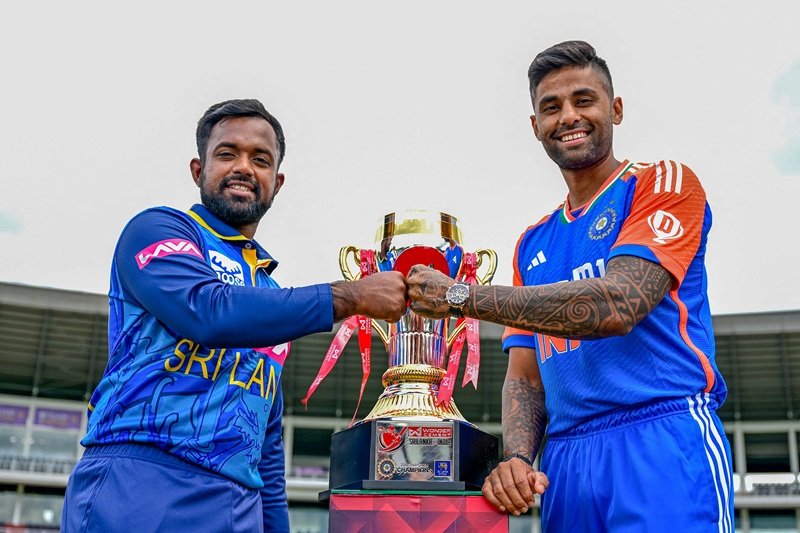
The following figures reflect the international men’s cricket records available up to November 2026. Test matches include drawn results, while limited-overs statistics separately identify ties and no-results.
| Cricket format | Matches played | India wins | Sri Lanka wins | Other results |
|---|---|---|---|---|
| Test | 48 | 23 | 7 | 18 draws |
| ODI | 171 | 99 | 59 | 2 ties, 11 no-results |
| T20I | 34 | 22 | 9 | 2 ties, 1 no-result |
These numbers demonstrate India’s historical advantage, but statistics alone cannot predict the outcome of a future match. Team combinations, pitch conditions, player availability and recent performances can significantly influence results. Sri Lanka’s victories in the 2024 ODI series also demonstrate that the team remains capable of challenging India in the 50-over format.
Legendary Players Who Shaped the Competition
Individual brilliance has played an important role in making this rivalry memorable. Both countries have produced international stars who have influenced matches through outstanding batting, intelligent bowling and exceptional leadership. Their performances have also inspired younger generations to pursue professional cricket.
Famous Indian Cricketers
India’s cricketing history features several players who have delivered memorable performances against Sri Lanka. Sachin Tendulkar was known for his outstanding technique, concentration and ability to perform under pressure. His batting achievements helped establish India as a formidable opponent across international formats.
MS Dhoni also holds an important place in this cricketing story. His leadership during the 2011 World Cup final demonstrated his ability to remain calm during high-pressure situations. Virat Kohli has continued that tradition through his consistency, aggressive approach and ability to build important innings. Rohit Sharma, Rahul Dravid, Sourav Ganguly and Anil Kumble have also contributed to India’s cricketing success against Sri Lanka.
Great Sri Lankan Cricketers
Sri Lanka’s cricketing legacy includes some of the most technically gifted players in international cricket. Kumar Sangakkara became famous for his elegant batting and remarkable consistency. Mahela Jayawardene was another outstanding batter whose ability to perform in major tournaments made him an important figure in Sri Lankan cricket.
Muttiah Muralitharan transformed spin bowling through his extraordinary wicket-taking ability and variations. Sanath Jayasuriya changed the approach to ODI opening batting through aggressive stroke play, particularly during the 1996 World Cup. Lasith Malinga later became famous for his distinctive bowling action and accurate yorkers, making him a dangerous opponent in limited-overs cricket.
Recent Performances and the Current Cricketing Scenario
Modern cricket has changed considerably, with teams focusing more on fitness, data analysis, tactical flexibility and specialized training. India has invested heavily in developing a deep pool of international players, allowing it to manage different formats with greater flexibility. Sri Lanka has also continued its rebuilding efforts, introducing younger cricketers while relying on experienced players to provide leadership and stability.
One important recent development was the 2024 ODI series in Sri Lanka. The hosts won the three-match series 2–0, with the opening match ending in a tie. Sri Lanka’s spin attack and ability to apply pressure in the middle overs created difficulties for the Indian batting line-up. The results highlighted the importance of adapting to local conditions rather than depending entirely on reputation or previous achievements.
The 2025 Asia Cup also produced another closely contested T20I encounter. India and Sri Lanka finished their Super Four match with identical totals of 202 runs, before India secured victory in the Super Over. This demonstrated how small tactical decisions and individual performances can influence a match even when the teams appear evenly matched.
In August 2026, India toured Sri Lanka for a two-match Test series. India won the first Test in Galle by 165 runs, while the second match in Colombo ended in a draw. The results further demonstrated India’s strength in the longer format.
Another notable meeting took place on October 1, 2026, during the men’s cricket competition at the Asian Games in Japan. India defeated Sri Lanka by 124 runs in the semifinal, adding another significant result to their recent international history.
Key Factors That Can Decide an India vs Sri Lanka Match
A match between these teams is influenced by several cricketing factors. Although India may have a stronger overall record, Sri Lanka can create problems through disciplined bowling, aggressive batting and effective use of home conditions. Understanding these factors makes it easier to evaluate the possible direction of a contest.
1. Pitch and Weather Conditions
Pitch conditions can influence team selection, batting strategy and bowling combinations. Indian pitches often provide good opportunities for stroke-making, although some grounds offer assistance to spinners. Sri Lankan surfaces can also become slower as matches progress, making shot selection increasingly important.
Weather conditions matter as well. Rain interruptions can affect limited-overs matches and bring revised targets into consideration. Humidity and heat can also influence player fitness, particularly during long Test matches.
2. Batting Performance and Partnerships
Strong batting partnerships are essential for both teams. India’s batting approach often focuses on building a reliable foundation before accelerating during the later overs. Sri Lanka can respond through attacking top-order players and technically sound middle-order batters.
A team that loses early wickets may struggle to establish momentum. However, a partnership of 70 or 100 runs can completely change the situation. This is especially important in ODIs, where teams must balance their scoring rate with the need to preserve wickets.
3. Spin and Fast Bowling Combinations
Spin bowling has historically played a major role in encounters between the two countries. Both teams have produced quality spinners capable of controlling the middle overs and creating wicket-taking opportunities. Fast bowlers also remain important, especially during the powerplay and death overs.
4. Captaincy and Tactical Decisions
Captains must make quick decisions about bowling changes, field placements and batting order adjustments. A well-timed bowling change can interrupt an important partnership, while an intelligent batting promotion can help a team recover from a difficult position.
The Importance of Asia Cup and ICC Tournaments
The Asia Cup has played an important role in strengthening the cricketing relationship between India and Sri Lanka. Both nations have regularly competed for the continental title, creating opportunities for memorable performances and competitive encounters. Since the tournament features some of the strongest Asian cricket teams, winning it carries considerable importance for players and supporters.
India and Sri Lanka have both enjoyed successful Asia Cup campaigns. India has established itself as the most successful team in the tournament’s history, while Sri Lanka has also won multiple championships. Their meetings frequently attract attention because both teams understand the importance of regional competition.
ICC tournaments have added another dimension to this rivalry. The 1996 and 2011 World Cups remain particularly significant because they represent two major milestones in Sri Lankan and Indian cricketing history. Such encounters demonstrate how international tournaments can create sporting moments that remain memorable for decades.
How Young Players Are Changing Both Teams
The development of young cricketers is becoming increasingly important for both countries. International cricket requires players who can perform consistently across different conditions, formats and levels of pressure. India has benefited from a strong domestic cricket structure, age-group competitions and opportunities in professional T20 leagues.

Sri Lanka is also working towards strengthening its cricketing future by developing promising players through domestic tournaments and international exposure. Young batters are being encouraged to improve their technical skills while learning how to handle aggressive bowling attacks. Similarly, emerging bowlers are gaining experience through competitive international matches.
The growing importance of all-rounders has also changed team selection. Modern cricket requires players who can contribute in more than one department. An all-rounder who can score useful runs and bowl economical overs provides captains with additional options. These qualities can become especially valuable in close matches between India and Sri Lanka.
What Makes This Rivalry Special for Cricket Fans?
The popularity of this cricketing contest goes beyond statistics and tournament results. India and Sri Lanka share geographical, cultural and sporting connections that make their international meetings particularly interesting for supporters. Cricket enjoys enormous popularity in both countries, and major matches attract viewers from different generations.
Indian supporters closely follow their team’s performances, while Sri Lankan fans remain passionate about their national side. Stadiums often create an energetic atmosphere, with supporters celebrating boundaries, wickets and important partnerships. Television and digital platforms have further increased the reach of international cricket, allowing fans to follow matches and discuss performances in real time.
Another reason the rivalry remains attractive is its unpredictable nature. Even when one team enters a match with a stronger record, the opposition can produce an outstanding performance. Sri Lanka’s ODI victories in 2024 demonstrated that a disciplined bowling attack and effective batting partnerships can overcome expectations. Such results keep supporters interested in future encounters.
Future Expectations From India and Sri Lanka
Looking ahead, both teams have opportunities to strengthen their international positions. India will aim to maintain its consistency across formats while continuing to develop younger players. Its focus will likely remain on building balanced combinations, improving bowling depth and maintaining strong performances in major tournaments.
Sri Lanka’s future progress will depend on developing consistent batting performances and maintaining a competitive bowling attack. The country has a history of producing exceptional international cricketers, and its emerging generation has the opportunity to build on that legacy. Better performances in bilateral series and multinational competitions could help restore its position among the leading international teams.
Future india vs sri lanka encounters will also be influenced by the changing demands of modern cricket. T20 cricket is encouraging more aggressive batting, while ODI and Test cricket continue to reward tactical discipline. Teams that can adjust their strategies according to conditions will have a better chance of achieving success.
Supporters can expect competitive matches whenever these nations meet. The presence of experienced international players alongside emerging talent provides opportunities for new rivalries and memorable individual performances. Whether the contest takes place in India, Sri Lanka or a neutral venue, the quality of cricket will remain the most important attraction.
Conclusion
The cricketing relationship between India and Sri Lanka represents decades of sporting competition, remarkable achievements and unforgettable international encounters. From the dramatic 1996 World Cup semifinal to India’s historic 2011 World Cup victory, both teams have contributed important chapters to cricket history. Their meetings across Test matches, ODIs and T20Is have demonstrated the importance of skill, preparation, teamwork and mental strength.
India has maintained a stronger overall head-to-head record, particularly in Test cricket and T20 internationals. However, Sri Lanka has repeatedly demonstrated its ability to challenge India through quality spin bowling, disciplined performances and aggressive batting. Recent matches have also shown that past statistics cannot guarantee future results.