
Baseball has a rich history filled with remarkable athletes, unforgettable games, record-breaking performances, and legendary teams. Understanding the sport becomes even more interesting when fans can explore the numbers behind every achievement. Statistics help explain why certain players become superstars, how teams maintain winning traditions, and what separates an outstanding season from an average one. For fans, journalists, coaches, students, and sports researchers, reliable statistical information provides a valuable way to explore the game beyond the final score.
Baseball statistics include batting averages, home runs, runs batted in, earned run averages, strikeouts, defensive performance, and many other measurements. Historical records also help connect modern players with athletes from previous generations. A detailed statistical database makes these comparisons easier by organizing information across seasons, teams, leagues, and individual careers. Whether someone wants to research a Hall of Fame player or understand a team’s championship history, baseball statistics offer a practical starting point for learning more about America’s favorite pastime.
What Is Baseball Reference?
Baseball Reference is a comprehensive baseball statistics database operated by Sports Reference. It provides information about Major League Baseball players, teams, seasons, managers, historical games, and numerous statistical categories. The platform is widely used by baseball enthusiasts who want to investigate player performance, examine team records, and learn about the evolution of the sport. Its database also covers several other baseball competitions, including minor leagues, college baseball, and various international leagues.
One of its biggest strengths is the way it organizes historical and current information. Instead of relying exclusively on news reports or short match summaries, readers can examine season-by-season statistics and career totals. This structure makes it easier to identify trends, compare athletes, and understand the context surrounding significant achievements. Beginners can use the database to learn basic baseball terminology, while experienced fans can investigate advanced statistics and historical records. The platform therefore serves as both a reference resource and a research tool for people with different levels of baseball knowledge.
Key Features of Baseball Reference
The database offers several useful features that make baseball research more accessible. Player pages contain batting, pitching, and fielding information, along with game logs, career summaries, and performance splits. Team pages provide season results, rosters, standings, and historical information. Fans can also explore league leaders, postseason records, award winners, and draft history to understand how the sport has developed over time.
Another valuable feature is its coverage of different statistical categories. Users can investigate traditional measurements, such as hits and runs, alongside advanced metrics that provide additional insight into player contributions. Historical records allow readers to study achievements from different decades and identify performances that influenced baseball’s development. These features make the platform useful for casual fans, fantasy baseball enthusiasts, sports writers, students, and researchers who want more detailed information than a standard scoreboard provides.
Understanding Baseball Statistics
Baseball statistics transform individual plays and full games into measurable information. They help explain a player’s strengths, reveal weaknesses, and show how performance changes throughout a season. However, no single statistic tells the entire story. A hitter’s home run total measures power, for example, but does not fully describe consistency, plate discipline, or defensive value. Similarly, a pitcher’s win total does not independently establish how effectively that pitcher performed.
Readers using baseball statistics should understand the meaning and limitations of each measurement. Traditional statistics remain valuable because they are familiar and easy to interpret. Advanced measurements can provide more context by accounting for factors that basic totals overlook. Combining several indicators creates a more balanced evaluation of players and teams.
Important Batting Statistics
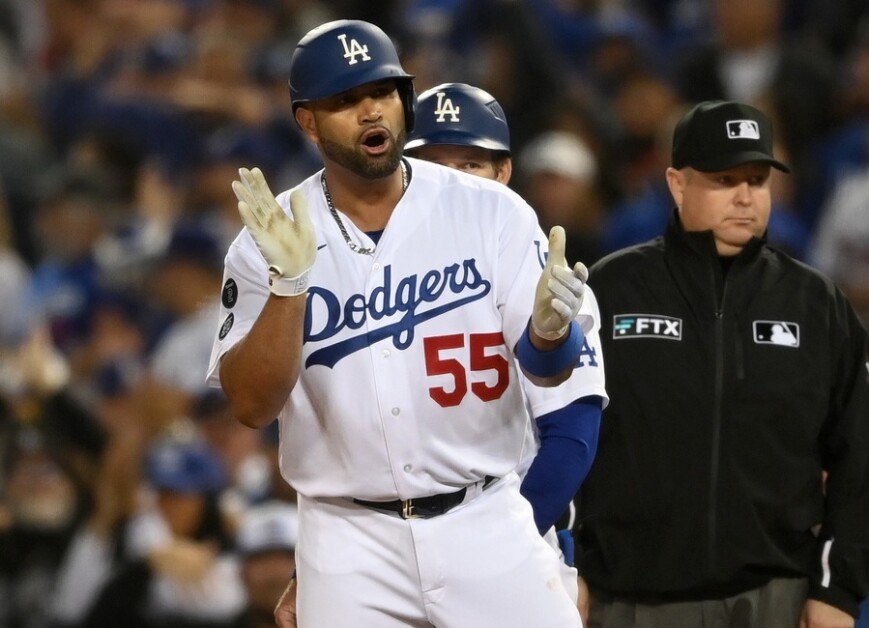
Batting statistics help explain how effectively a player contributes to an offense. Batting average measures the frequency with which a batter records a hit in official at-bats. Home runs indicate power, while runs batted in measure how often a batter drives in runs. On-base percentage evaluates how frequently a player reaches base through qualifying outcomes, and slugging percentage measures total bases per at-bat.
These measurements become more meaningful when examined together. A player with a modest batting average might still be valuable because of frequent walks, strong power, or productive baserunning. Likewise, a high batting average does not automatically mean that a hitter produces more overall offensive value than another player. Context, playing time, and the player’s role within the lineup all influence how statistics should be interpreted.
Important Pitching Statistics
Pitching statistics evaluate how effectively a pitcher prevents opposing teams from scoring and generating offensive opportunities. Earned run average, commonly called ERA, represents earned runs allowed per nine innings pitched. Strikeouts measure how often a pitcher retires batters without allowing the ball to be put into play, while walks indicate opportunities given to hitters without a hit.
WHIP, or walks plus hits per inning pitched, measures how frequently opposing batters reach base through hits and walks. Other measurements consider strikeout rates, workload, home runs allowed, and performance in different situations. Reviewing several pitching statistics together provides a clearer picture of control, effectiveness, and consistency than relying on wins and losses alone.
Common Baseball Statistics at a Glance
The following table summarizes several measurements that readers frequently encounter when researching baseball performance.
| Statistic | Meaning | What It Helps Explain |
|---|---|---|
| AVG | Batting average | Frequency of hits per at-bat |
| HR | Home runs | Hitting power |
| RBI | Runs batted in | Run production |
| OBP | On-base percentage | Ability to reach base |
| SLG | Slugging percentage | Power and total bases |
| ERA | Earned run average | Earned runs allowed per nine innings |
| WHIP | Walks plus hits per inning pitched | How frequently batters reach base |
| WAR | Wins Above Replacement | Estimated overall value compared with a replacement-level player |
These statistics measure different aspects of baseball performance, so they should not be treated as interchangeable. For example, ERA and WHIP provide different perspectives on pitching, while batting average and on-base percentage describe different elements of hitting. WAR combines multiple factors into an estimate of overall player value, but its calculation depends on the particular version and methodology being used.
How to Research Players and Teams
Finding meaningful baseball information becomes easier when research begins with a specific question. Someone interested in a legendary hitter might start with the player’s career page, then review individual seasons, postseason results, and performance splits. A fan studying a franchise can examine historical standings, team rosters, winning percentages, and championship seasons.
A practical research process includes the following steps:
-
Identify the player, team, league, or season you want to study.
-
Begin with the relevant career or team summary.
-
Review the statistics most closely connected to your question.
-
Compare several seasons rather than focusing on one isolated performance.
-
Examine playing time, position, league conditions, and postseason results.
-
Check the definitions of unfamiliar or advanced statistics before drawing conclusions.
This method helps prevent misleading interpretations. A player who appears less productive in one season may have missed significant playing time, changed positions, or played under different conditions. Historical research becomes more reliable when statistics are interpreted alongside the circumstances in which they were recorded.
Comparing Players Across Different Eras
One of the most fascinating parts of baseball research is comparing athletes from different generations. Fans often debate whether a legendary hitter from an earlier era would dominate today’s game or whether a modern pitcher could match the achievements of historical greats. Statistical records provide a starting point for these discussions, but meaningful comparisons require more than placing career totals side by side.
Baseball has changed significantly over time. Equipment, training methods, pitching strategies, stadium dimensions, league structures, and competition levels have influenced performance. A hitter’s home run total, for example, may reflect both individual ability and the conditions of the era. Researchers can use rate statistics and context-adjusted metrics to make comparisons more informative.
Baseball Reference includes historical records and analytical measurements that can support these investigations. Its resources can help readers examine career longevity, peak performance, awards, and contributions relative to other players. Even with detailed information, comparisons across generations involve uncertainty. The most useful conclusions acknowledge differences between eras instead of assuming that raw totals provide a perfect ranking of talent.
Exploring Advanced Metrics and Sabermetrics
Sabermetrics refers to the statistical analysis of baseball performance. It uses quantitative methods to investigate questions about hitting, pitching, defense, baserunning, and team strategy. Rather than evaluating players exclusively through familiar statistics, sabermetric analysis examines how different actions contribute to winning games.
Wins Above Replacement, or WAR, is one prominent example. It estimates how much value a player contributes compared with a readily available replacement-level player. A player’s WAR can help summarize contributions across several aspects of the game, although the result is an estimate rather than a direct count of wins caused by that player. Different statistical providers may calculate WAR differently, so comparisons should use consistent methodologies.
Other analytical concepts include park-adjusted statistics, defensive metrics, and measures that compare performance with league averages. These tools are particularly useful when evaluating players who have different positions, roles, or playing environments. However, advanced metrics are most effective when readers understand their definitions and limitations. Combining statistical evidence with knowledge of the game creates a stronger evaluation than depending on one impressive-looking number.
Using Baseball Reference for Fantasy Baseball
Fantasy baseball participants need information that helps them assess player production, playing time, consistency, and potential value. Historical statistics can reveal patterns that support draft preparation, roster management, and trade discussions. For example, a player’s home run totals may demonstrate power potential, while stolen-base numbers can indicate a different type of fantasy contribution.
Researchers can also investigate recent seasons to identify improvements or declines. A pitcher with strong strikeout numbers but inconsistent run prevention might deserve closer examination of walks, innings pitched, and home run rates. A hitter who reaches base frequently may offer value even when home run production is limited.
Nevertheless, historical performance cannot guarantee future results. Injuries, changes in batting order, team roles, competition, and playing time can all influence fantasy outcomes. Baseball statistics should therefore support decisions rather than replace judgment. For current fantasy analysis, readers should combine historical records with recent performance, roster updates, and reliable information about player availability.

Benefits for Fans, Students, and Sports Writers
Baseball statistical databases serve different purposes depending on the reader’s interests. Casual fans can use them to settle debates, revisit memorable seasons, and learn more about favorite players. Students can explore how data is collected, organized, compared, and interpreted. Sports journalists can use historical statistics to provide context for match reports, profiles, and analytical articles.
Coaches and dedicated analysts may also benefit from examining performance trends. Statistical patterns can highlight areas that deserve further investigation, although practical decisions require additional information about technique, health, strategy, and team circumstances.
The major benefits include:
-
Access to organized historical and seasonal records.
-
Opportunities to compare individual players and teams.
-
Support for research, storytelling, and sports analysis.
-
Better understanding of traditional and advanced statistics.
-
A structured way to investigate records, awards, and milestones.
These uses demonstrate why statistical databases have become important resources for understanding modern baseball culture.
Limitations to Keep in Mind
Although baseball databases offer extensive information, users should not assume that every statistic answers every question. Historical coverage can vary by league, season, and statistical category. Some records are more complete than others, especially when researching competitions or periods with limited documentation. Definitions and calculation methods can also change as analytical approaches develop.
Another consideration is that statistics describe recorded outcomes rather than every factor behind them. A hitter’s numbers do not reveal every detail about decision-making, and a pitcher’s ERA cannot fully explain the quality of every pitch or defensive play. Context is essential when interpreting unusual results.
Readers should also distinguish historical information from current data. Active players’ totals, team standings, and season leaders change throughout the year. Before publishing an article or using figures in a report, verify the relevant season and confirm that the numbers correspond to the intended date or competition. Careful interpretation makes baseball research more accurate, useful, and informative.
The Future of Baseball Statistical Research
Baseball analysis continues to evolve as tracking technology, video analysis, and data collection become more sophisticated. Traditional scorekeeping remains important, but modern analytics can also examine pitch movement, exit velocity, launch angle, defensive positioning, and running speed. These measurements provide new ways to investigate performance that earlier generations could not easily quantify.
As analytical methods improve, fans can expect more detailed discussions about how individual actions influence game outcomes. Historical databases will remain important because they preserve the records needed to understand long-term trends and place new achievements in context. Combining historical statistics with modern tracking data can create a more complete picture of how the sport is changing.
The challenge is making increasingly complex information understandable. Clear explanations, consistent definitions, and thoughtful comparisons will continue to matter as baseball analysis expands. Data is most valuable when it answers a meaningful question rather than simply producing more numbers.
Conclusion
Baseball statistics help fans understand the sport’s history, evaluate player performance, and explore the achievements of teams across generations. From batting averages and pitching records to advanced metrics such as WAR, each measurement offers a different perspective on the game. The key is understanding what the numbers represent and recognizing the limitations of statistical comparisons.
Baseball Reference provides a valuable foundation for this type of research through its player profiles, team histories, seasonal records, and analytical resources. By examining multiple statistics, comparing relevant seasons, and considering historical context, readers can move beyond basic scorekeeping and develop a deeper appreciation for baseball. Whether researching legendary players, preparing fantasy lineups, or writing about the sport, a thoughtful approach to statistical information makes every discovery more meaningful.