Introduction to Giants Baseball
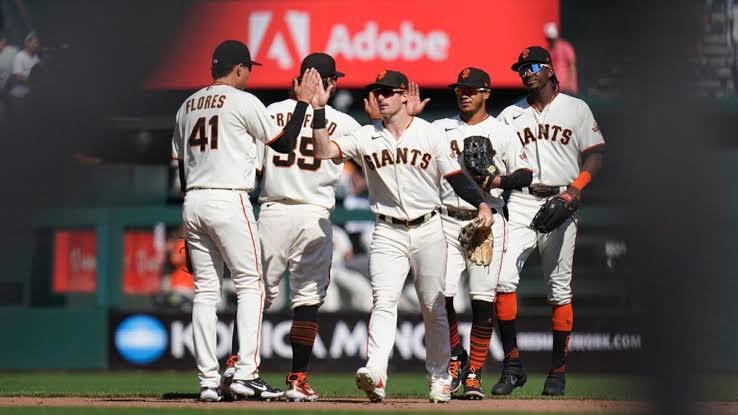
Giants baseball represents one of the most recognizable traditions in professional American baseball. The name is closely associated with the San Francisco Giants, a Major League Baseball (MLB) team competing in the National League West division. Known for their passionate supporters, historic achievements, memorable players, and dramatic postseason performances, the Giants have built a lasting identity within the sport. Their history stretches across different cities and generations, connecting baseball’s early professional era with the modern game.
For fans, following the Giants involves more than watching nine innings of competition. It means understanding the team’s traditions, celebrating standout performances, tracking season statistics, and experiencing the excitement of rivalries. Whether someone is a lifelong supporter or a newcomer learning about MLB, exploring the team’s background provides a useful introduction to its place in baseball culture. The Giants’ story includes championship celebrations, legendary athletes, challenging rebuilding periods, and the continuing ambition to compete at the highest level.
The History and Evolution of the Giants
The franchise began in New York during the nineteenth century and became one of professional baseball’s historically important organizations. Originally known as the New York Gothams, the team later adopted the Giants name. Over the decades, it developed a strong following and established itself as a major presence in the National League. The New York era featured celebrated players, championship teams, and unforgettable moments that helped shape the franchise’s reputation.
In 1958, the organization moved to San Francisco, bringing National League baseball to the West Coast alongside the Los Angeles Dodgers, who had also relocated from New York. The move created a new chapter for the franchise while preserving its historical identity. San Francisco gradually became the team’s home, and generations of local supporters embraced the orange and black colors. The team’s history demonstrates how a sports organization can change its location while maintaining a connection to its past.
The franchise has experienced periods of dominance and disappointment. Its journey includes historic pennant races, major individual achievements, and championship victories. These experiences continue to influence the expectations of supporters who follow every new season.
Major Achievements and Championship Moments
Championship success is an important part of the Giants’ legacy. The franchise won multiple World Series titles during its New York years, including championships in 1905, 1921, 1922, 1933, and 1954. After moving to San Francisco, the organization continued pursuing baseball’s biggest prize, eventually reaching another historic period of success.
The modern championship era became particularly memorable when the Giants won the World Series in 2010, 2012, and 2014. These victories demonstrated the value of pitching depth, timely hitting, defensive execution, and teamwork during the postseason. The 2010 championship was the franchise’s first since relocating to San Francisco, making it especially significant for local supporters.
The 2012 team delivered another title, while the 2014 club completed an impressive postseason run led by outstanding individual performances and resilient team play. Pitcher Madison Bumgarner became one of the defining figures of that championship season because of his remarkable contributions during the playoffs.
Important achievements associated with the franchise include:
- Multiple World Series championships across its New York and San Francisco eras.
- National League pennants earned by teams from different generations.
- Memorable postseason performances from pitchers and position players.
- Historic individual records and accomplishments.
- A long-standing connection with baseball fans across the United States.
These milestones help explain why the Giants remain an important part of baseball history.
Famous Giants Players Who Shaped the Franchise
Great players have helped establish the Giants’ reputation over many decades. Willie Mays is among the most celebrated figures associated with the organization. Famous for his outstanding defensive ability, powerful hitting, speed, and athleticism, Mays became a symbol of baseball excellence. His famous over-the-shoulder catch in the 1954 World Series remains one of the sport’s most recognizable defensive moments.
Barry Bonds also played a major role in the San Francisco era. His remarkable hitting ability, plate discipline, and power made him one of the most statistically influential players in baseball history. His career remains a subject of extensive discussion because of both his achievements and controversies surrounding performance-enhancing drugs.
Other important names include Willie McCovey, a powerful first baseman remembered for his impressive home runs, and Buster Posey, a catcher whose leadership and consistent production contributed significantly to the team’s championship period. Pitchers such as Tim Lincecum and Madison Bumgarner also became fan favorites through dominant performances and postseason success.
These athletes represent different periods in the franchise’s development. Their achievements provide examples of the skills, preparation, and resilience required to succeed at the highest level of professional baseball.
Oracle Park: The Home of San Francisco Baseball
Oracle Park is the home stadium of the San Francisco Giants. Located along San Francisco Bay, the ballpark is known for its waterfront setting, distinctive architecture, and memorable views. Since opening in 2000, it has become an important part of the city’s sporting and entertainment culture.
The stadium provides an atmosphere that combines traditional baseball elements with modern facilities. Fans can enjoy views of the bay, watch hitters attempt home runs toward the water, and experience the energy of a crowd responding to important moments. Its design and location make it recognizable among MLB ballparks.
The stadium’s surroundings also contribute to the experience. Visitors often explore nearby waterfront areas, restaurants, and public spaces before or after games. On game days, the area becomes a gathering point for families, longtime supporters, and traveling baseball fans.
Oracle Park is more than a place to watch a game. It represents the connection between the Giants and their city, providing a setting where historic moments, community traditions, and new memories continue to develop.
Understanding the Giants’ Playing Style
A successful baseball team requires contributions from several areas, including hitting, pitching, defense, and baserunning. The Giants’ approach has varied across different seasons depending on the roster, coaching staff, and competition within the National League West.
Pitching is particularly important because starting pitchers establish the pace of games, while relief pitchers protect leads and manage difficult late-inning situations. Strong pitching can limit opponents’ scoring opportunities and keep a team competitive even when its offense struggles.
Offensive production depends on more than home runs. Players must reach base, recognize pitches, move runners into scoring position, and deliver hits when opportunities arise. A balanced lineup can create pressure through power, contact hitting, patience, and speed.
Defensive consistency is equally valuable. Reliable fielding prevents additional bases, reduces opponents’ scoring chances, and supports the pitching staff. Teams that combine these strengths often perform better over the long regular season.
When evaluating Giants baseball, fans should consider the complete team rather than focusing on one star player or a single game’s result. Baseball success usually reflects a combination of individual talent, depth, strategy, health, and execution over time.
Giants Baseball Statistics and Performance
Statistics help supporters understand team performance beyond wins and losses. Baseball provides a wide range of measurements for evaluating individual players and the overall roster. Some statistics describe offensive production, while others measure pitching effectiveness or defensive contribution.
| Statistic | Meaning | Why It Matters |
|---|---|---|
| Wins and losses | Games won and lost | Shows overall team results |
| Batting average | Hits divided by at-bats | Measures hitting frequency |
| On-base percentage | How often a player reaches base | Evaluates offensive opportunities |
| Slugging percentage | Total bases per at-bat | Measures hitting power |
| Earned run average (ERA) | Average earned runs allowed per nine innings | Evaluates pitching run prevention |
| WHIP | Walks and hits allowed per inning pitched | Measures baserunner control |
| Fielding percentage | Proportion of fielding chances handled successfully | Provides one measure of defensive reliability |
| Run differential | Runs scored minus runs allowed | Helps assess overall team strength |
Modern analysis also considers metrics such as OPS, which combines on-base percentage and slugging percentage, and advanced pitching statistics that account for factors beyond earned runs.
Fans should examine these numbers in context. A player’s statistics may be influenced by playing time, injuries, ballpark conditions, opposition quality, and their role on the roster. Comparing several measurements usually provides a clearer understanding than relying on one number.
The Giants’ Biggest Rivalries
Rivalries bring additional excitement to professional baseball, and the Giants have one of the sport’s most famous rivalries with the Los Angeles Dodgers. This competition originated during their New York years before continuing on the West Coast. The teams share a division, which means their results can directly influence standings and postseason opportunities.
Games between these clubs often attract considerable attention because of their history, geographic proximity, and competitive intensity. Fans remember dramatic home runs, important pitching performances, close finishes, and postseason meetings. The rivalry also connects generations of supporters who have followed the teams for decades.
The Giants have other important divisional matchups as well. Games against the San Diego Padres, Arizona Diamondbacks, and Colorado Rockies can influence the National League West race. These contests matter because division opponents meet regularly throughout the season.
Rivalries provide entertainment, but they also have practical significance. Winning divisional games can improve a team’s record against direct competitors and affect its chances of qualifying for the playoffs. For supporters, these matchups often become highlights of the baseball calendar.
How to Follow the Giants Throughout the Season
Following a baseball season becomes easier when fans understand the structure of MLB competition. The regular season consists of a long schedule that tests roster depth, consistency, and the ability to recover from difficult stretches. Every game contributes to the team’s overall record.
Supporters can follow several aspects of the season:
- Game schedules: Check upcoming opponents, dates, starting times, and home or away locations.
- Live scores: Follow runs, innings, pitching changes, and important plays.
- Team standings: Monitor the Giants’ position within the National League West and the wider National League.
- Player statistics: Track hitting streaks, home runs, strikeouts, and pitching performance.
- Injury updates: Understand how player availability may affect the lineup.
- Postseason scenarios: Follow the competition for division titles and Wild Card positions.
The best way to interpret results is to look at trends rather than isolated games. A short winning streak can build momentum, but a team’s overall performance becomes clearer over a larger sample of games.
Fans should also remember that baseball includes natural fluctuations. Even excellent hitters experience slumps, and strong pitchers sometimes have difficult outings. Consistency across the season is more meaningful than any single result.
Building a Strong Giants Fan Experience
Supporting a baseball team can become a rewarding hobby that combines entertainment, statistics, history, and community. New fans can begin by learning the basic rules, recognizing the main positions, and understanding how innings and scoring work. Following a few key players also makes it easier to appreciate individual performances.
Experienced supporters may enjoy studying advanced metrics, reviewing historical seasons, collecting memorabilia, or discussing tactical decisions. Attending a game at Oracle Park offers another way to experience the team’s culture, from the opening pitch to the final out.
Fans can make game days more enjoyable by checking the schedule in advance, planning transportation, and understanding stadium policies. Watching with friends or family can also make close contests and major victories more memorable.
A strong fan experience does not require knowing every statistic. Curiosity, patience, and an appreciation for the game’s changing momentum are enough to begin. Over time, supporters develop their own traditions and discover the players, rivalries, and moments that make following the Giants meaningful.
The Future of the Giants
The future of the San Francisco Giants depends on their ability to develop talent, build a balanced roster, make effective personnel decisions, and compete consistently within a challenging division. Like every MLB organization, the team must balance established players with emerging prospects while adapting to changes in strategy and the wider baseball environment.
Player development is an important part of long-term success. Young athletes need opportunities to improve their hitting, pitching, fielding, and decision-making before becoming reliable major league contributors. Strong scouting and coaching can help an organization identify talent and build greater depth.
Roster construction also matters. Teams must consider offensive production, defensive versatility, pitching quality, injuries, and financial resources when making decisions. A successful strategy usually combines immediate competitiveness with sustainable planning.
Supporters will continue watching how the Giants respond to these challenges. Although no team can guarantee championships, consistent development and smart decisions can create opportunities for future success. The franchise’s long history provides a foundation, while each new season introduces different players, goals, and possibilities.
Conclusion
Giants baseball combines a rich historical legacy with the excitement of modern Major League Baseball. From the franchise’s New York beginnings to its championship years in San Francisco, the organization has produced legendary players, unforgettable games, and traditions that continue to attract supporters.
Understanding the Giants involves exploring their history, evaluating team statistics, following divisional rivalries, and appreciating the atmosphere at Oracle Park. Fans can gain a deeper understanding of the sport by tracking pitching, hitting, defense, and season-long performance rather than judging the team by isolated results.
As the organization moves forward, player development, roster decisions, and consistent execution will remain important to its ambitions. Whether following the team from home or experiencing a game in person, supporters can enjoy a baseball tradition built on competition, community, and memorable moments.