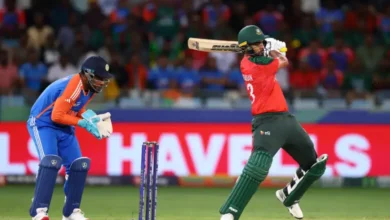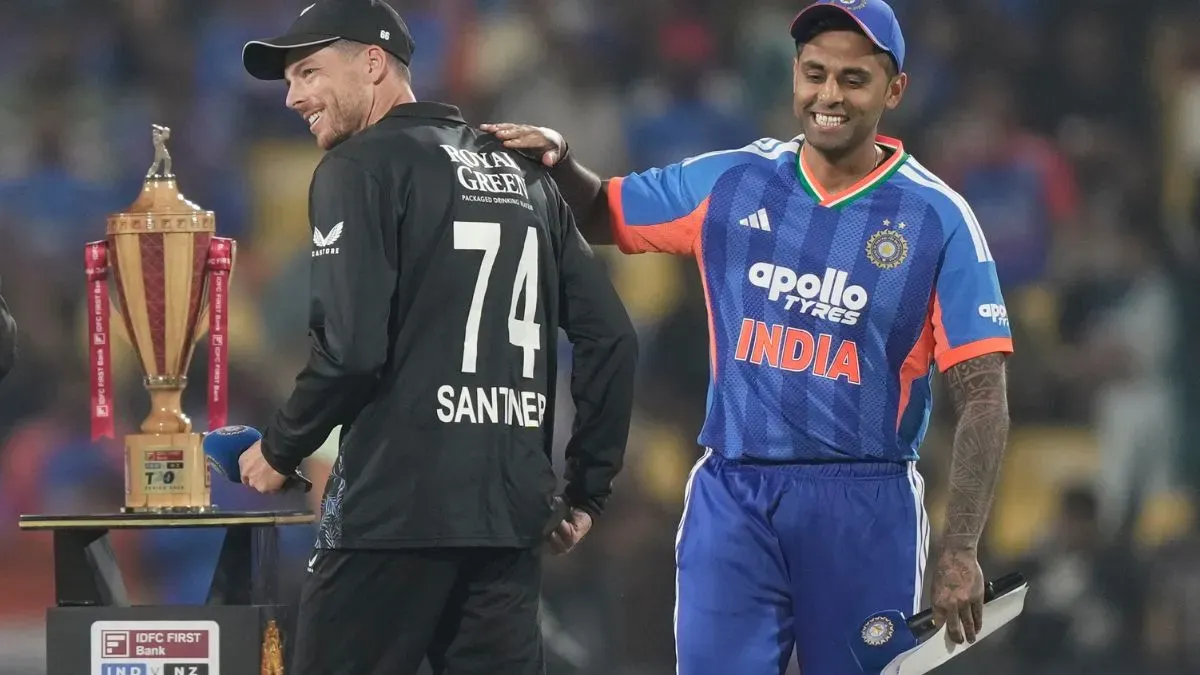
The india vs new zealand cricket rivalry has developed into one of the most fascinating contests in international cricket. Although both countries have different cricketing cultures, playing conditions and tactical approaches, their encounters consistently produce competitive performances. From dramatic Test matches to high-pressure international tournament encounters, these two teams have created unforgettable moments for cricket enthusiasts worldwide.
India is recognised for its powerful batting lineup, talented spin bowlers and growing fast-bowling strength. New Zealand, meanwhile, has earned respect for its disciplined approach, intelligent field placements, reliable partnerships and ability to perform under pressure. These contrasting qualities make every encounter unpredictable, regardless of which team enters the competition as the favourite.
In 2026, the rivalry continues to attract considerable attention as both nations focus on developing emerging players, strengthening their squads and preparing for future international competitions. Understanding their cricketing history, individual strengths and tactical differences provides valuable insight into what makes this sporting rivalry so special.
The Historical Background of the Cricket Rivalry
India and New Zealand began their Test cricket rivalry during the 1955–56 season. Since then, their relationship on the cricket field has evolved considerably, reflecting changes in international cricket, professional training and modern sporting strategies. During the early decades, matches largely depended on traditional batting techniques, patient bowling and defensive field placements.
As limited-overs cricket gained popularity, both countries began developing more aggressive approaches. India gradually established itself as a major cricketing powerhouse, while New Zealand built a reputation for achieving impressive results through teamwork and consistent preparation. Unlike rivalries driven primarily by controversy, their encounters are generally associated with competitive sportsmanship and mutual respect.
The introduction of international T20 cricket added another dimension to their relationship. Faster scoring, innovative bowling variations and flexible batting orders transformed the nature of their contests, making them increasingly entertaining for modern audiences.
Latest Cricket Updates in November 2026
As of November 28, 2026, the ongoing india vs new zealand Test series has attracted significant attention following competitive limited-overs encounters earlier in the year. India’s tour of New Zealand includes five T20 internationals, five One Day Internationals and two Test matches, offering both teams opportunities to demonstrate their abilities across different formats.
In the second Test at Hagley Oval, Christchurch, New Zealand completed its first innings with 356 runs. India subsequently experienced difficulties against the home team’s pace attack, finishing the second day at 116 for six wickets and trailing by 240 runs.
According to the ICC’s November 28 match report, New Zealand established a strong position through effective seam bowling and India’s missed fielding opportunities. However, the match remains unfinished, leaving room for further developments. India’s remaining batting partnerships and subsequent bowling performance will be important in determining the final outcome.
India and New Zealand Cricket Results in 2026
The 2026 season has demonstrated how quickly momentum can change between these two international teams. India has enjoyed considerable success in T20 cricket, while New Zealand has delivered impressive performances in both ODI and Test encounters.
The following table highlights selected results and developments from their 2026 cricket meetings.
| Match or Series | Date | Result or Status |
|---|---|---|
| ODI series in India | January 2026 | New Zealand won 2–1 |
| T20I series in India | January 2026 | India won 4–1 |
| T20 World Cup final | March 8, 2026 | India won by 96 runs |
| T20I series in New Zealand | October–November 2026 | India won 3–2 |
| ODI series in New Zealand | November 2026 | India won 3–1 |
| First Test, Wellington | November 2026 | Match drawn |
| Second Test, Christchurch | November 2026 | Ongoing as of November 28 |
These results highlight the competitive balance between both nations. While India has achieved important white-ball victories, New Zealand continues to demonstrate its ability to challenge stronger opposition through disciplined performances and effective use of home conditions.
The Historic 2026 T20 World Cup Final
One of the biggest moments in the india vs new zealand rivalry occurred on March 8, 2026, during the ICC Men’s T20 World Cup final in Ahmedabad. India delivered an exceptional batting performance, scoring 255 runs for five wickets before dismissing New Zealand for 159 runs.
The commanding 96-run victory helped India secure its third men’s T20 World Cup title. It also became the first men’s team to successfully defend the championship. The result demonstrated the effectiveness of India’s aggressive batting philosophy and its ability to maintain pressure throughout an important international final.
Although New Zealand experienced a disappointing conclusion to the tournament, reaching the final reflected its competitive quality. The match provided valuable lessons about managing early pressure, controlling aggressive batters and adapting bowling strategies when opponents establish significant scoring momentum.
Understanding India’s Cricketing Strengths
India possesses a diverse cricketing system supported by domestic competitions, professional coaching programmes and extensive player development opportunities. The Indian Premier League has contributed significantly to preparing emerging players for demanding international situations.
One of India’s major advantages is its batting depth. Modern Indian teams often feature players capable of switching between traditional stroke-making and aggressive boundary hitting. This flexibility allows the batting lineup to respond effectively to changing match requirements without relying entirely on individual performances.
India’s bowling resources have also expanded considerably. Alongside its established spin-bowling tradition, the country has developed fast bowlers capable of generating movement, maintaining accurate lengths and delivering effective performances outside familiar Asian conditions.
India’s Batting Philosophy
Modern Indian batting focuses on maintaining scoring momentum while reducing unnecessary risks. In T20 cricket, this frequently involves attacking during the powerplay and continuing to pursue boundaries during the middle overs.
Test cricket requires a different approach. Batters must demonstrate patience against moving deliveries, particularly when playing overseas. The ongoing challenges in Christchurch underline the importance of defensive technique, concentration and adapting to unfamiliar surfaces.
New Zealand’s Ability to Challenge Strong Opponents
New Zealand approaches international cricket with an emphasis on preparation, consistency and collective responsibility. Rather than depending exclusively on individual brilliance, the team frequently builds its success through coordinated contributions from batters, bowlers and fielders.
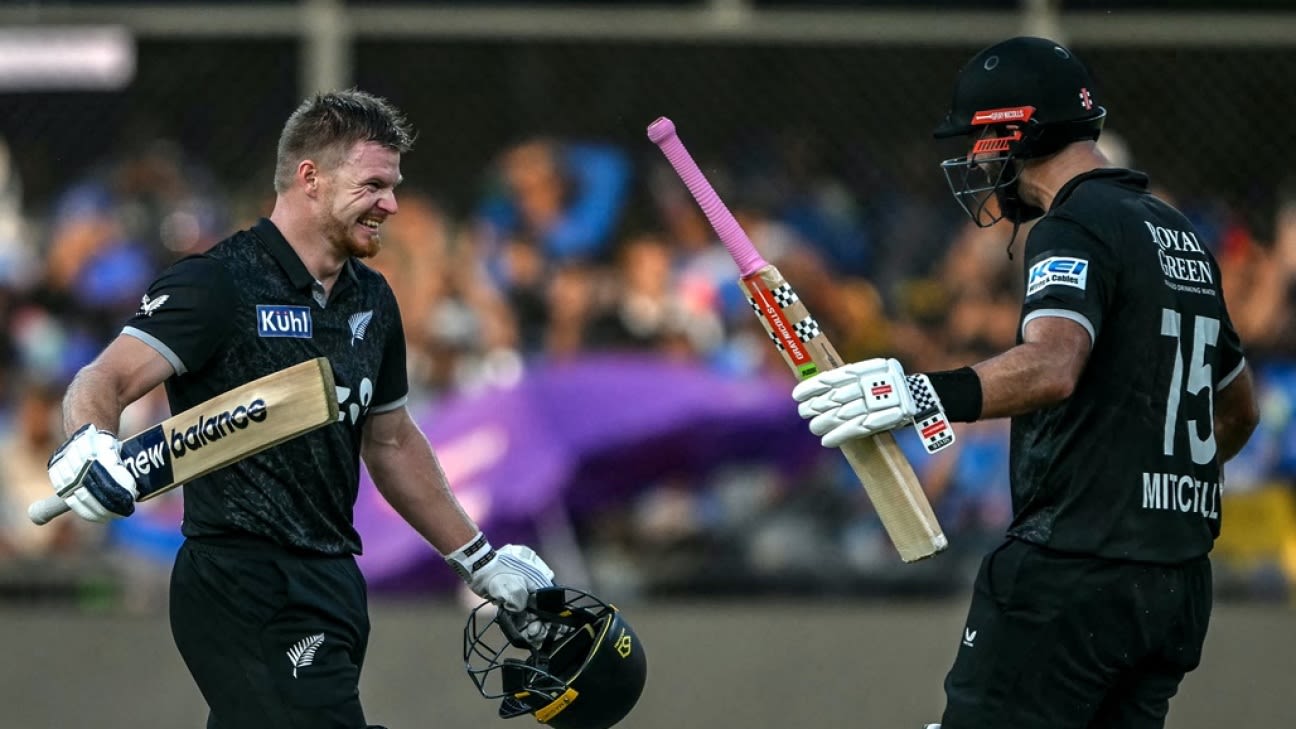
During an india vs new zealand encounter, New Zealand often attempts to control the opposition through accurate bowling, intelligent field arrangements and consistent pressure. Its players are generally comfortable adjusting their strategies according to pitch behaviour and weather conditions.
The team’s historic ODI series victory in India during January 2026 demonstrated its ability to succeed outside familiar surroundings. Winning a bilateral series against India on Indian soil represents an important achievement, particularly because visiting teams often struggle against local spin bowlers and powerful batting lineups.
New Zealand’s Tactical Bowling Approach
New Zealand’s seam bowlers are particularly effective when atmospheric conditions support swing and movement. They frequently target areas around the off stump, encouraging batters to make difficult decisions about whether to defend or leave deliveries.
This approach becomes especially valuable during Test matches, where sustained pressure can produce wickets even when batters initially appear comfortable.
Memorable Encounters Between Both Nations
The cricketing history of India and New Zealand contains numerous matches that continue to influence conversations among supporters. These encounters have produced dramatic finishes, individual achievements and unexpected results across international competitions.
The 2019 ODI World Cup semifinal remains particularly memorable because New Zealand defeated India in a closely contested match. The result demonstrated how disciplined bowling and effective fielding could overcome a highly regarded batting lineup.
New Zealand also defeated India in the inaugural World Test Championship final in 2021. India responded with important victories in subsequent tournaments, including the 2023 ODI World Cup semifinal and the 2025 Champions Trophy final.
The 2026 T20 World Cup final added another significant chapter, strengthening India’s recent record in major tournament encounters against New Zealand.
Key Indian Players Who Influence the Rivalry
India’s international cricket structure includes experienced performers and emerging talents capable of influencing matches across multiple formats. Different players contribute depending on selection decisions, fitness, conditions and tactical requirements.
Some notable Indian cricketers associated with this rivalry include:
-
Shubman Gill – Technically accomplished batter capable of building substantial innings.
-
Jasprit Bumrah – Fast bowler recognised for accuracy and effective variations.
-
Virat Kohli – Experienced ODI batter known for managing challenging run chases.
-
Suryakumar Yadav – Innovative T20 batter with exceptional scoring options.
-
Rishabh Pant – Dynamic wicketkeeper-batter capable of changing match momentum.
These players represent different aspects of India’s cricketing development. However, successful international performances depend on the contributions of the entire playing eleven rather than established names alone.
Important New Zealand Players to Watch
New Zealand continues to benefit from players who combine technical knowledge with adaptability. Experienced cricketers provide stability, while younger players introduce fresh attacking options and athletic fielding abilities.
Glenn Phillips offers valuable contributions through aggressive batting, fielding and occasional bowling. Mitchell Santner provides spin-bowling control and tactical flexibility, while Kyle Jamieson can challenge batters through bounce and seam movement. Rachin Ravindra represents an important part of New Zealand’s evolving batting resources.
The presence of adaptable players makes New Zealand particularly dangerous during matches where conditions change unexpectedly. Their ability to perform different roles allows team management to adjust combinations without significantly weakening the overall balance of the squad.
How Playing Conditions Influence Match Results
Playing conditions remain one of the most important factors affecting india vs new zealand cricket matches. Indian pitches frequently provide assistance to spin bowlers, although some venues also offer excellent batting conditions and opportunities for fast bowlers.
New Zealand’s cricket grounds often present different challenges. Grass coverage, cooler temperatures, wind and atmospheric moisture can assist seam bowlers, particularly during the opening stages of Test matches. Visiting batters must carefully adjust their footwork, shot selection and defensive techniques.
Boundary dimensions also influence limited-overs strategies. Shorter boundaries may encourage aggressive batting, while larger outfields create opportunities for quick running between wickets. Understanding these geographical differences helps explain why performances can vary considerably between home and overseas matches.
The Importance of Partnerships in Competitive Cricket
Individual centuries and outstanding bowling figures frequently attract headlines, but partnerships often determine the direction of international matches. A strong batting partnership can rebuild an innings following early wickets or accelerate scoring when a team establishes a comfortable position.
For example, when a batting side loses several wickets during the opening overs, its remaining players must balance defensive responsibility with scoring opportunities. Attempting too many attacking shots may increase the risk of a collapse, while excessive defensive batting can create additional pressure.
Bowling partnerships are equally important. When two bowlers maintain accurate deliveries from opposite ends, batters receive fewer opportunities to score freely. This sustained pressure can produce mistakes and create valuable wicket-taking chances.
Tactical Differences Across Cricket Formats
The strategies used during international cricket encounters vary according to the format. Test cricket prioritises concentration, technical ability and long-term planning, whereas limited-overs cricket demands faster decision-making and efficient use of available deliveries.
In ODI cricket, teams must manage the entire fifty-over innings effectively. Building partnerships during the middle overs, maintaining a competitive scoring rate and preserving wickets for the final stages are particularly important.
T20 internationals require a more aggressive approach. Captains must make immediate decisions regarding bowling changes, batting promotions and defensive field placements. A single expensive over or missed catching opportunity can substantially change the likely result.
Both India and New Zealand continue to develop specialised strategies that reflect these different requirements.
Why Fielding Can Decide Important Matches
Fielding has become an increasingly influential aspect of modern international cricket. Teams invest heavily in athletic training, catching practice and throwing accuracy because preventing runs can be just as valuable as scoring them.
During india vs new zealand matches, exceptional fielding performances frequently create unexpected opportunities. A difficult boundary catch or accurate direct throw can interrupt an important batting partnership and shift momentum towards the bowling team.
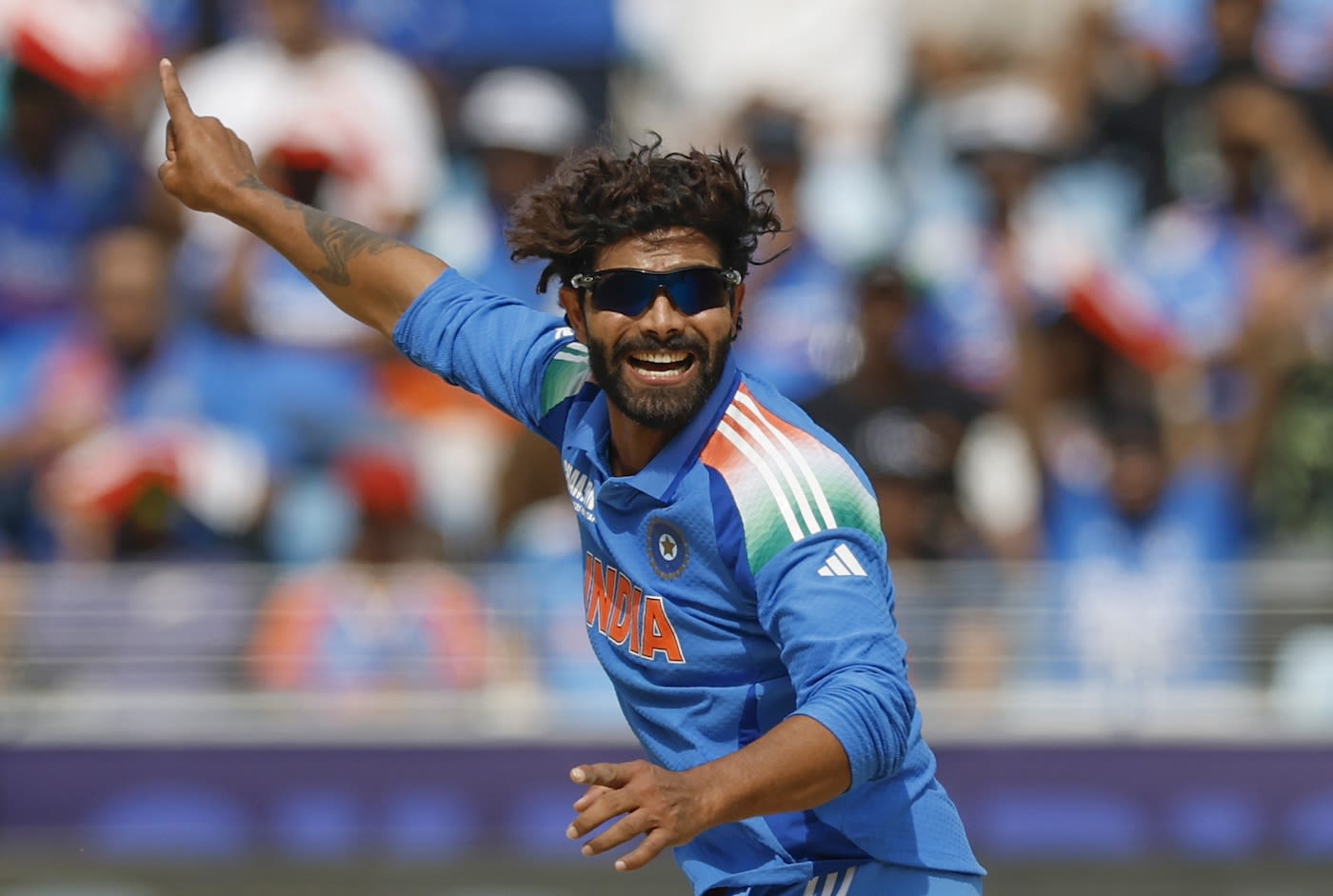
The Christchurch Test in November 2026 also illustrates the consequences of missed opportunities. Dropped catches can allow opposition batters to extend their innings, increasing the physical workload of bowlers and making subsequent batting assignments more difficult.
Consistent fielding standards therefore remain essential for both nations.
The Growing Role of Technology and Performance Analysis
Technology has transformed the preparation methods used by international cricket teams. Coaches and analysts study historical performances, individual batting weaknesses, bowling patterns and scoring preferences to develop more effective match strategies.
Video analysis allows bowlers to identify areas where opposition batters experience difficulties. Batters can similarly study delivery variations and field placements before entering competitive situations.
Performance analysis also supports workload management. Medical and coaching teams monitor physical recovery, training intensity and bowling workloads to reduce injury risks during demanding international schedules.
However, technology cannot guarantee success. Players must still interpret information correctly, respond to unexpected situations and execute their skills under pressure. The combination of analytical preparation and practical experience remains particularly valuable.
The Influence of International Cricket Championships
Major international tournaments increase the importance of meetings between India and New Zealand. Unlike ordinary bilateral matches, knockout fixtures can determine whether a team progresses towards a championship or experiences elimination.
New Zealand’s previous success against India in major ICC events demonstrated its ability to perform in demanding circumstances. India’s more recent tournament victories have reflected improved preparation, stronger squad depth and increasingly confident performances during crucial matches.
The World Test Championship creates additional competitive significance for bilateral Test series. Individual match results contribute towards qualification prospects, encouraging teams to pursue victories while managing the risks associated with aggressive tactical decisions.
Consequently, these encounters influence more than immediate sporting pride. They can also shape long-term international championship ambitions.
What Makes This Rivalry Special for Cricket Fans?
Cricket supporters appreciate contests that offer uncertainty, individual brilliance and genuine competition. Matches between India and New Zealand frequently provide these qualities without depending on excessive controversy or off-field disagreements.
Several factors contribute to the popularity of this rivalry:
-
Competitive encounters across all three international formats.
-
Contrasting batting techniques and bowling strategies.
-
Memorable performances in major ICC tournaments.
-
Opportunities for emerging players to demonstrate their talent.
-
Strong sporting traditions and mutual professional respect.
These characteristics help maintain audience interest regardless of whether the teams are participating in bilateral series or international championships.
Future Expectations for Both Cricket Teams
The future of the india vs new zealand rivalry appears promising as both nations continue investing in player development and modern cricketing infrastructure. India benefits from a substantial domestic talent pool, while New Zealand continues to emphasise efficient development programmes and specialised training.
Future encounters will likely feature more flexible batting combinations, advanced bowling variations and detailed performance analysis. Emerging players will also assume greater responsibilities as established international cricketers gradually complete their careers.
With preparations for the 2027 ODI World Cup becoming increasingly important, both nations have reasons to strengthen their fifty-over combinations. Their ability to balance experienced performers with younger talent could significantly influence future international tournament results.
Frequently Asked Questions
1. When did India and New Zealand first play Test cricket?
India and New Zealand began their Test cricket rivalry during the 1955–56 season. Their competitive relationship subsequently expanded into ODI and T20 international cricket.
2. Who won the 2026 T20 World Cup final?
India defeated New Zealand by 96 runs on March 8, 2026, in Ahmedabad. India scored 255 for five wickets before dismissing New Zealand for 159.
3. Who won the January 2026 ODI series?
New Zealand won the three-match ODI series against India by a 2–1 margin, securing its first bilateral ODI series victory on Indian soil.
4. Who won the 2026 T20I series in New Zealand?
India won the five-match T20 international series in New Zealand by a 3–2 margin. New Zealand won the final two matches after India secured victories in the opening three encounters.
5. What is the latest Test match update in November 2026?
At the close of play on November 28, New Zealand had scored 356 runs in its first innings at Christchurch. India stood at 116 for six wickets, trailing by 240 runs.
6. Why does New Zealand perform well against India?
New Zealand benefits from disciplined bowling, effective fielding, strong teamwork and adaptable tactical planning. Familiar home conditions can provide an additional advantage during overseas assignments for India.
7. Which team is stronger in international cricket?
Both teams possess different strengths. India benefits from batting depth and diverse bowling resources, while New Zealand remains highly competitive through disciplined preparation and adaptability. Their relative strength depends on the format, playing conditions and current team performance.
Conclusion
The india vs new zealand rivalry represents an exciting combination of cricketing tradition, tactical intelligence, exceptional talent and competitive sportsmanship. From historic Test encounters to dramatic international tournament finals, both countries have contributed significantly to the development and entertainment value of international cricket.
The 2026 season has further demonstrated the unpredictable nature of their contests. India’s T20 World Cup triumph, New Zealand’s historic ODI series victory in India and the competitive November Test series highlight the strengths and challenges experienced by both nations.
As international cricket continues to evolve, emerging players, technological advancements and innovative strategies will influence future encounters. Whether competing in Test championships, ODI tournaments or fast-paced T20 internationals, India and New Zealand will continue to provide cricket enthusiasts with compelling performances and memorable sporting moments.