India vs New Zealand: Cricket Rivalry, Records and 2026 Insights

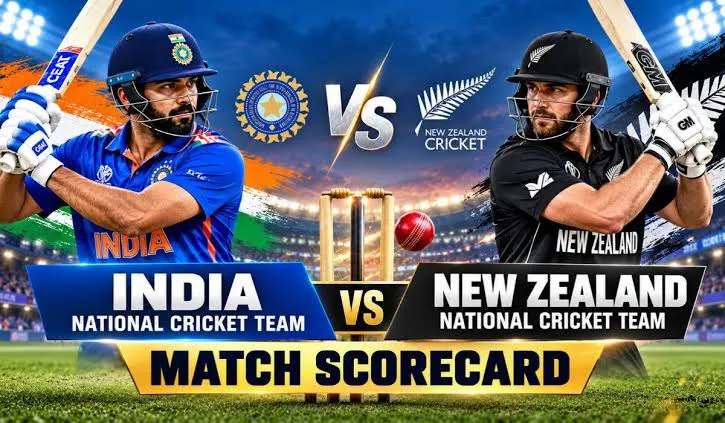
The cricket rivalry between India and New Zealand has developed into one of the most fascinating contests in international sports. Both countries possess talented cricketers, experienced coaching systems, and distinctive playing styles that make their encounters unpredictable. While India is recognised for its powerful batting lineup and growing bowling strength, New Zealand continues to impress with disciplined performances, intelligent strategies, and remarkable teamwork.
The excitement surrounding india vs new zealand extends beyond traditional bilateral series. Their meetings in international tournaments often attract millions of viewers because both teams have demonstrated their ability to perform under challenging circumstances. From dramatic Test matches to competitive One Day Internationals and fast-paced T20 encounters, this rivalry offers something interesting for every cricket enthusiast.
As international cricket progresses through 2026, changing team combinations, emerging players, technological advancements, and evolving match strategies continue to influence this competitive relationship. Understanding their cricketing history, individual strengths, and tactical differences provides valuable insights into why these encounters remain so engaging.
The History of the India and New Zealand Cricket Rivalry
India and New Zealand first competed against each other in Test cricket in 1955. During the early years, their encounters were primarily focused on traditional cricket, where patience, technical ability, and defensive strategies determined the outcome. As international cricket expanded, both nations began competing more frequently in limited-overs formats. These additional opportunities helped establish a competitive relationship that continues to attract considerable attention across the cricketing world.
Over the decades, legendary players from both countries have contributed to memorable sporting moments. Indian cricketers such as Sachin Tendulkar, Rahul Dravid, MS Dhoni, and Virat Kohli have delivered significant performances against New Zealand. Similarly, players including Richard Hadlee, Stephen Fleming, Brendon McCullum, and Kane Williamson have strengthened New Zealand’s reputation. Their contributions have helped transform this rivalry into a fascinating contest between individual brilliance and collective excellence.
Latest Cricket Developments and Performances in 2026
The india vs new zealand rivalry has witnessed several significant developments throughout 2026. One of the biggest highlights came on March 8, when India defeated New Zealand in the ICC Men’s T20 World Cup final at the Narendra Modi Stadium in Ahmedabad. India posted an impressive total of 255 runs for five wickets before dismissing New Zealand for 159 runs, securing a convincing 96-run victory and successfully defending its T20 World Cup title.
The competition remained intense during India’s tour of New Zealand in October and November 2026. India secured the T20I series by a 3–2 margin and won the ODI series 3–1, with one match abandoned. However, New Zealand demonstrated its ability to recover from disappointing performances by recording several impressive victories during the tour. These results highlight the competitive balance between the two teams and the importance of adapting to different playing environments.
Memorable Encounters Between India and New Zealand
Several matches between these two cricketing nations have become important milestones in international cricket history. The 2019 ICC Cricket World Cup semifinal remains particularly memorable for cricket supporters. New Zealand defeated India in a closely contested match through disciplined bowling and excellent fielding. The result demonstrated how intelligent decision-making and controlled performances could overcome a powerful batting lineup, even during a major international tournament.
Another important encounter occurred during the 2021 ICC World Test Championship final, where New Zealand defeated India to secure the inaugural championship. However, India responded strongly in subsequent international tournaments, including the 2023 ODI World Cup semifinal, the 2025 Champions Trophy final, and the 2026 T20 World Cup final. These changing results have added considerable excitement to the rivalry, ensuring that supporters remain interested whenever the two teams meet.
Major Cricket Encounters and Results
The following table highlights some of the most significant encounters between India and New Zealand across different cricket formats.
| Year | Tournament | Format | Winner |
|---|---|---|---|
| 2000 | ICC KnockOut Trophy Final | ODI | New Zealand |
| 2019 | ICC World Cup Semifinal | ODI | New Zealand |
| 2021 | World Test Championship Final | Test | New Zealand |
| 2023 | ICC World Cup Semifinal | ODI | India |
| 2024 | Bilateral Test Series | Test | New Zealand |
| 2025 | ICC Champions Trophy Final | ODI | India |
| 2026 | ICC T20 World Cup Final | T20I | India |
These results demonstrate how competitive the relationship between both cricketing nations has become. While New Zealand has achieved remarkable success in several important encounters, India has delivered increasingly impressive performances in recent white-ball tournaments.
India vs New Zealand Across Different Cricket Formats
The nature of this rivalry changes considerably depending on the format being played. Test cricket demands patience, concentration, and technical consistency, whereas ODI cricket requires balanced decision-making throughout fifty overs. T20 cricket introduces additional pressure through shorter playing periods, aggressive batting approaches, and rapidly changing match situations.
Both teams possess players capable of adjusting their techniques according to these requirements. However, differences in domestic cricket structures, environmental conditions, and team selection influence their respective strengths. These variations make each format an important part of their competitive relationship.
Test Cricket: A Battle of Patience and Technique
Test cricket between India and New Zealand frequently produces challenging encounters because of the different conditions experienced in both countries. New Zealand’s pitches often provide assistance to fast bowlers, particularly when atmospheric conditions encourage swing and seam movement. Indian batsmen must demonstrate strong defensive techniques and careful shot selection to build meaningful partnerships in such environments.
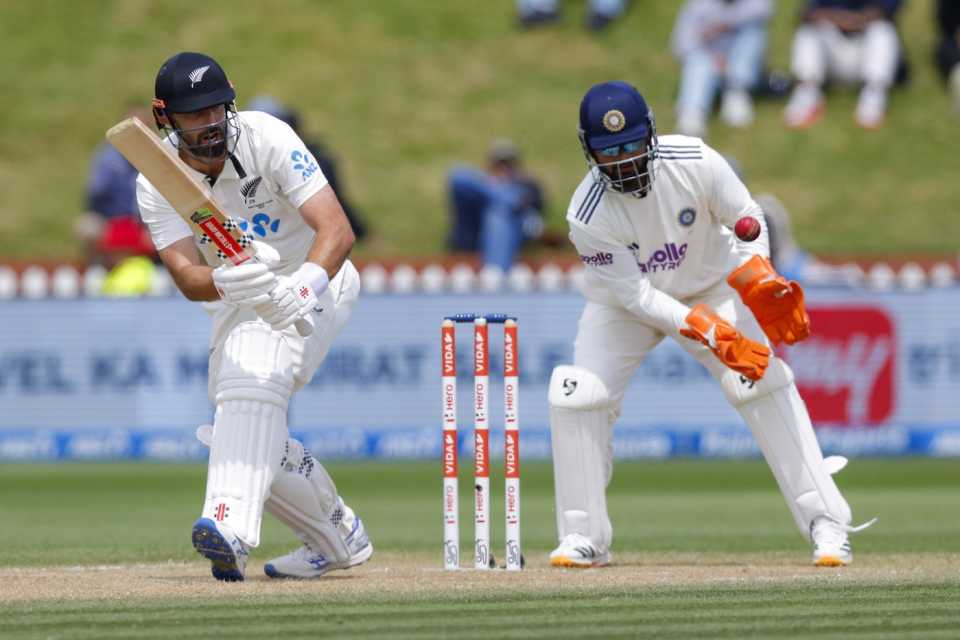
India traditionally benefits from pitches that offer assistance to spin bowlers as matches progress. However, New Zealand demonstrated remarkable adaptability by winning its historic Test series in India in 2024. That achievement challenged conventional expectations and highlighted the importance of preparation, technical flexibility, and confident decision-making in unfamiliar conditions.
ODI Cricket: Balancing Attack and Defence
One Day Internationals provide both teams with opportunities to demonstrate their strategic capabilities. India frequently relies on strong batting partnerships, controlled acceleration, and effective finishing during the closing overs. New Zealand often focuses on disciplined bowling, consistent fielding, and building partnerships without taking unnecessary risks.
Successful ODI performances require more than aggressive batting. Teams must understand when to accelerate, protect wickets, and adjust their scoring patterns. A well-planned partnership during the middle overs can significantly reduce pressure during the final stages. These tactical decisions make ODI encounters particularly interesting for supporters who appreciate a balance between traditional techniques and modern cricket strategies.
T20 Cricket: Speed, Innovation and Aggression
The introduction of T20 cricket has transformed how both nations approach international competition. Modern batsmen regularly use innovative shots, aggressive footwork, and calculated risks to maintain competitive scoring rates. Bowlers respond by developing variations such as slower deliveries, yorkers, cutters, and changes in bowling angles.
The india vs new zealand T20 encounters demonstrate how quickly a match can change within a few overs. A productive powerplay, an important wicket, or an exceptional bowling spell can determine the final outcome. India’s victory in the 2026 T20 World Cup final provided a strong example of how aggressive batting combined with effective bowling can create a decisive advantage.
Understanding the Strengths of the Indian Cricket Team
India’s cricketing strength comes from its extensive talent pool, competitive domestic tournaments, and increasingly advanced player development systems. The country produces batsmen capable of performing against different bowling styles, while its bowling department has developed greater versatility over the years. Experienced players and emerging talents provide selectors with several options when building competitive squads.
Another significant advantage is India’s ability to maintain batting depth across different formats. Players who can contribute valuable runs in the middle and lower order provide additional confidence during difficult situations. This flexibility allows specialist batsmen to approach their innings with greater freedom while maintaining stability throughout the batting lineup.
What Makes New Zealand a Competitive Cricket Team?
New Zealand has established a strong international reputation despite having a considerably smaller population and talent pool than many other cricketing nations. Its success comes from effective player development, disciplined preparation, consistent teamwork, and intelligent tactical planning. Players frequently prioritise collective objectives rather than depending entirely on individual performances.
The Black Caps are also recognised for their fielding standards and ability to apply sustained pressure on opponents. Their bowlers often concentrate on maintaining accurate lines and lengths, encouraging batsmen to make mistakes. These qualities make New Zealand a challenging opponent, particularly in matches where conditions provide assistance to disciplined bowling attacks.
Key Players Who Influence the Rivalry
Individual performances have played an essential role in shaping encounters between both nations. Experienced cricketers bring valuable knowledge of opposition strategies, while emerging players introduce new techniques and aggressive approaches. Their combined contributions influence team selection, match preparation, and overall performance.
Some important players associated with this rivalry include:
-
Jasprit Bumrah for accurate fast bowling and pressure management.
-
Shubman Gill for technically accomplished batting.
-
Sanju Samson for explosive limited-overs performances.
-
Rachin Ravindra for versatile batting and all-round capabilities.
-
Mitchell Santner for controlled spin bowling and tactical awareness.
These cricketers represent different playing styles and skill sets. Their performances demonstrate why successful international teams require a combination of specialist abilities, adaptability, experience, and consistent execution.
The Influence of Pitch and Weather Conditions
Pitch conditions play an essential role in determining the outcome of india vs new zealand matches. In India, dry surfaces can encourage spin and make batting increasingly difficult as a match progresses. Batsmen must develop effective techniques against turning deliveries while maintaining scoring opportunities through intelligent placement and footwork.
New Zealand’s playing environments frequently provide different challenges. Grass-covered surfaces, cooler temperatures, and atmospheric moisture can create favourable conditions for seam and swing bowlers. Weather interruptions may also influence limited-overs matches through revised targets. Teams that understand these conditions and select appropriate strategies are more likely to produce consistent performances throughout a series.
Batting Strategies Used by Both Teams
Modern cricket requires batsmen to combine technical accuracy with strategic awareness. Indian batsmen often demonstrate strong abilities against spin bowling while developing innovative methods for attacking fast bowlers. Their capacity to rotate the strike and accelerate during favourable match situations contributes significantly to competitive team totals.
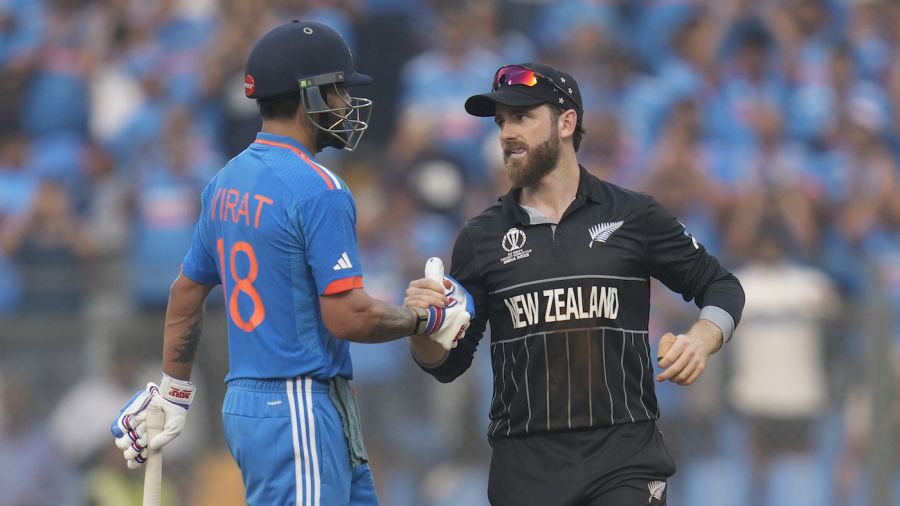
New Zealand’s batting approach frequently emphasises adaptability and partnership building. Rather than relying exclusively on boundaries, players often use intelligent running and effective placement to maintain momentum. This approach becomes particularly valuable when facing challenging bowling conditions or defending a manageable scoring rate. Both methods can produce successful outcomes when executed according to the match situation.
Bowling Strategies and Tactical Differences
Bowling has become an increasingly important factor in determining the success of international cricket teams. India’s bowling attack combines fast bowling variations with specialist spin options, allowing captains to adjust their strategies according to pitch conditions. Bowlers capable of performing during powerplays and closing overs provide additional tactical flexibility.
New Zealand often focuses on accuracy, movement, and consistent pressure. Its fast bowlers aim to exploit favourable conditions, while spin bowlers concentrate on controlling scoring opportunities during the middle overs. Field placements complement these approaches by restricting boundaries and encouraging risky shots. Such tactical differences contribute to the competitive nature of encounters between both nations.
The Importance of Fielding in Competitive Matches
Fielding frequently determines the outcome of closely contested cricket matches. A difficult catch, an accurate throw, or a well-executed run-out can significantly influence momentum. Both India and New Zealand have invested considerable effort in improving their fielding standards through specialised training and fitness programmes.
New Zealand has historically maintained a strong reputation for organised fielding performances. India has also improved its athletic capabilities and defensive coordination considerably. In modern cricket, preventing runs can be just as valuable as scoring them. Saving ten or fifteen runs during an innings may ultimately determine whether a team successfully defends a target.
How Captaincy Influences Match Results
Captaincy involves far more than selecting bowlers and arranging fielders. Successful captains must understand individual player strengths, anticipate opposition strategies, and remain composed during challenging situations. Their decisions influence how effectively teams respond to sudden changes in momentum.
During india vs new zealand encounters, tactical decisions become particularly important because both teams possess players capable of changing matches quickly. Introducing a spinner at the correct moment, adjusting field placements, or promoting an aggressive batsman can create valuable opportunities. Effective leadership also encourages confidence among younger players, allowing them to perform without becoming overwhelmed by international expectations.
The Role of Technology in Modern Cricket
Technology has transformed how international cricket teams prepare for competitive encounters. Coaching departments increasingly use performance analytics, video assessments, and statistical models to understand opposition weaknesses. These resources help players identify scoring opportunities, bowling patterns, and areas requiring technical improvement.
For example, analysts may examine how a particular batsman responds to short deliveries or slower balls during pressure situations. Bowlers can then develop specific plans based on those observations. However, successful performances still depend on players executing their strategies correctly. Technology provides valuable information, but individual judgement and practical experience remain equally important.
Growing Fan Engagement and Global Popularity
The popularity of international cricket has expanded significantly through digital platforms, television broadcasting, and social media. Supporters can now follow matches, analyse performances, and participate in discussions regardless of their geographical location. This accessibility has strengthened interest in competitive cricket encounters involving India and New Zealand.
The india vs new zealand rivalry attracts audiences because both nations regularly deliver entertaining performances without depending entirely on historical competition. Supporters appreciate dramatic finishes, outstanding individual achievements, and intelligent cricket strategies. These elements create memorable sporting experiences that encourage continued engagement across generations.
Future Expectations for Both Cricket Teams
Looking ahead, both countries are likely to concentrate on developing younger players while maintaining a balance between experience and emerging talent. India’s extensive domestic cricket structure provides opportunities to discover promising batsmen, bowlers, and all-rounders. New Zealand continues to benefit from structured player development and its emphasis on adaptability.
Preparation for upcoming international competitions will require effective workload management, consistent team selection, and flexible strategies. With the 2027 ODI World Cup approaching, limited-overs performances will become particularly important. Teams that establish reliable combinations and develop players capable of performing in unfamiliar conditions may gain a meaningful competitive advantage.
Frequently Asked Questions
1. Who won the 2026 T20 World Cup final between India and New Zealand?
India won the 2026 ICC Men’s T20 World Cup final on March 8 in Ahmedabad. The Indian team defeated New Zealand by 96 runs after scoring 255 runs for five wickets and dismissing its opponent for 159 runs.
2. When did India and New Zealand first play international cricket?
India and New Zealand first competed against each other in Test cricket in 1955. Their competitive relationship subsequently expanded into ODI and T20 cricket, producing several memorable encounters across international tournaments.
3. Which team won the 2025 Champions Trophy final?
India defeated New Zealand by four wickets in the 2025 ICC Champions Trophy final in Dubai. The Indian team successfully chased a target of 252 runs to secure the championship.
4. Why is New Zealand difficult to defeat in home conditions?
New Zealand frequently benefits from pitches and atmospheric conditions that assist swing and seam bowling. Its players also possess considerable experience in these environments, making effective preparation and technical adaptability essential for visiting teams.
5. Is India stronger than New Zealand in international cricket?
Both countries possess different strengths across cricket formats. India has an extensive talent pool and strong batting depth, while New Zealand demonstrates disciplined bowling, excellent teamwork, and tactical consistency. Overall performance depends on playing conditions, team combinations, and individual execution.
6. Who won the 2021 World Test Championship final?
New Zealand defeated India in the inaugural ICC World Test Championship final in Southampton, England. The victory established New Zealand as the first team to win the championship.
7. Who won the 2026 ODI series during India’s tour of New Zealand?
India won the November 2026 ODI series against New Zealand by a 3–1 margin. One of the five scheduled matches was abandoned, while both teams demonstrated competitive performances throughout the remaining encounters.
Conclusion
The india vs new zealand cricket rivalry represents an exciting combination of sporting excellence, tactical intelligence, individual talent, and competitive determination. Both countries have contributed remarkable performances to international cricket history, creating memorable experiences for supporters worldwide. Their encounters demonstrate the importance of adaptability, teamwork, technical preparation, and confidence under pressure.
India’s recent success in major international tournaments highlights its growing strength across limited-overs formats, while New Zealand remains a formidable competitor capable of challenging established expectations. As both nations continue developing emerging talent and embracing modern cricket strategies, their rivalry is expected to produce even more entertaining encounters. Whether played in traditional Test conditions or fast-paced limited-overs competitions, these matches will continue to occupy an important place in international cricket.