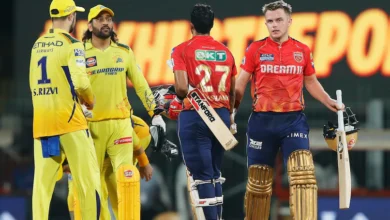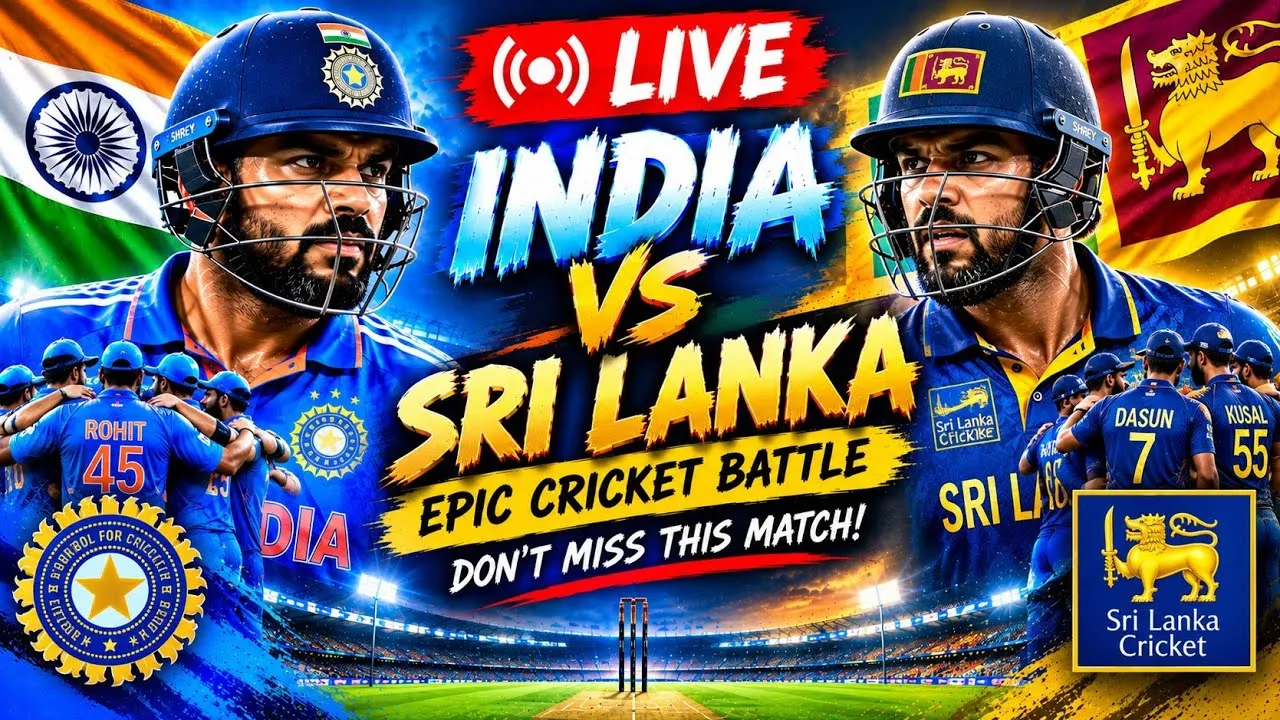
The cricket rivalry between India and Sri Lanka represents one of the most entertaining sporting relationships in international cricket. From unforgettable World Cup encounters to competitive bilateral series, both nations have produced remarkable performances that continue to attract millions of cricket enthusiasts. Their matches showcase exceptional batting, disciplined bowling, tactical intelligence and the competitive spirit that defines Asian cricket.
The india vs sri lanka rivalry has evolved significantly over the decades. While India has established itself as a dominant force across international cricket formats, Sri Lanka remains a competitive opponent capable of challenging stronger teams. The emergence of young players, changes in leadership and improvements in cricketing infrastructure have introduced new dimensions to this sporting relationship.
As of November 2026, both teams continue to develop their squads and prepare for upcoming international competitions. Recent encounters have highlighted the importance of consistency, adaptability and effective team selection. Understanding their cricketing history, recent performances, playing styles and future opportunities provides valuable insight into this fascinating rivalry.
History of the Cricket Rivalry Between India and Sri Lanka
The cricketing relationship between India and Sri Lanka developed considerably after Sri Lanka achieved Test status in 1981. During its early years, Sri Lankan cricket focused on developing international experience and establishing a competitive identity. India, meanwhile, benefited from an expanding domestic cricket structure and experienced international players. Over time, Sri Lanka transformed into a formidable cricketing nation through its innovative batting approaches, outstanding spin bowling and dedicated player development.
The rivalry became increasingly competitive during the 1990s, particularly after Sri Lanka won the 1996 Cricket World Cup. Players such as Aravinda de Silva, Sanath Jayasuriya and Muttiah Muralitharan helped establish Sri Lanka’s international reputation. India also experienced significant progress through the contributions of Sachin Tendulkar, Sourav Ganguly, Rahul Dravid and Anil Kumble. Encounters between these cricketing nations gradually became important fixtures in bilateral competitions, Asia Cup tournaments and ICC events.
Recent Cricket Performances in 2026
The latest chapter of the india vs sri lanka rivalry demonstrates how both teams continue to adapt to modern international cricket. During India’s tour of Sri Lanka in August 2026, India secured a 165-run victory in the opening Test at Galle. The second Test, played in Colombo, ended in a draw, allowing India to complete the two-match Test series with a 1–0 victory.
Sri Lanka demonstrated greater batting resistance during the second Test despite facing considerable pressure. India displayed its ability to build substantial totals and maintain disciplined bowling performances. These encounters highlighted India’s established strengths while demonstrating Sri Lanka’s determination to improve its competitive position in red-ball cricket.
Head-to-Head Records Across Cricket Formats
Historical records provide an important perspective on the competitive relationship between these two nations. India has generally maintained a stronger overall record, particularly in Test cricket and limited-overs competitions. However, Sri Lanka has delivered several memorable victories, demonstrating that historical statistics do not necessarily determine the outcome of individual matches.
The following table presents the men’s international head-to-head record reported as of November 13, 2026.
| Cricket Format | Matches Played | India Wins | Sri Lanka Wins | Other Results |
|---|---|---|---|---|
| Test Cricket | 48 | 23 | 7 | 18 draws |
| ODI Cricket | 171 | 99 | 59 | 13 tied or no result |
| T20 International | 34 | 22 | 9 | 3 tied or no result |
Statistical snapshot: November 13, 2026. Tied matches decided through Super Overs may be classified differently across statistical databases.
These figures demonstrate India’s historical advantage across all three formats. Nevertheless, Sri Lanka’s ability to compete effectively under favourable conditions remains an important characteristic of this rivalry. Pitch behaviour, weather conditions, player availability and tournament pressure can significantly influence the performance of either team.
India and Sri Lanka in One-Day International Cricket
One-Day International cricket has played a central role in developing the sporting relationship between India and Sri Lanka. The 50-over format allows both teams to demonstrate batting consistency, strategic bowling changes and effective innings management. India has traditionally benefited from technically accomplished batters capable of constructing substantial partnerships, while Sri Lanka has frequently relied on creative stroke play and intelligent bowling variations to challenge opposition teams.
One of Sri Lanka’s significant recent achievements was its ODI series victory against India in August 2024. After the opening match ended in a tie, Sri Lanka won the remaining two encounters to secure a 2–0 series victory. The result demonstrated how effective spin bowling and disciplined fielding could disrupt even experienced batting lineups. It also highlighted the importance of adapting to slower surfaces rather than depending entirely on aggressive batting.
The Growing Popularity of T20 International Encounters
The popularity of T20 cricket has transformed the way supporters experience international sporting rivalries. The shorter format encourages aggressive batting, innovative bowling techniques and quick tactical decisions. Matches between India and Sri Lanka often feature exciting powerplay performances, unpredictable middle overs and competitive finishes that keep spectators engaged.
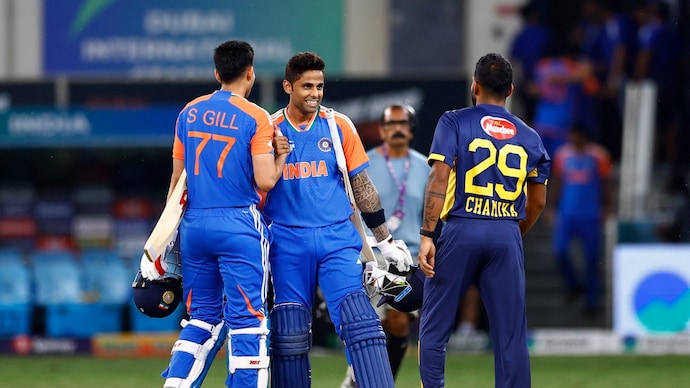
During the 2025 Asia Cup, both teams scored 202 runs in their Super Four encounter before India secured victory through a Super Over. The match demonstrated how closely contested T20 cricket can become, even when one team possesses a stronger historical record. Such performances reinforce the importance of maintaining concentration throughout an innings. A single expensive over, missed opportunity or outstanding individual performance can significantly change the outcome of a T20 encounter.
Test Cricket and the Importance of Technical Excellence
Test cricket provides a different dimension to the india vs sri lanka rivalry by examining players’ patience, endurance and technical abilities. Unlike limited-overs competitions, Test matches demand consistent performances across multiple days. Batters must demonstrate defensive skills and concentration, while bowlers need to develop effective strategies for dismissing experienced opposition players.
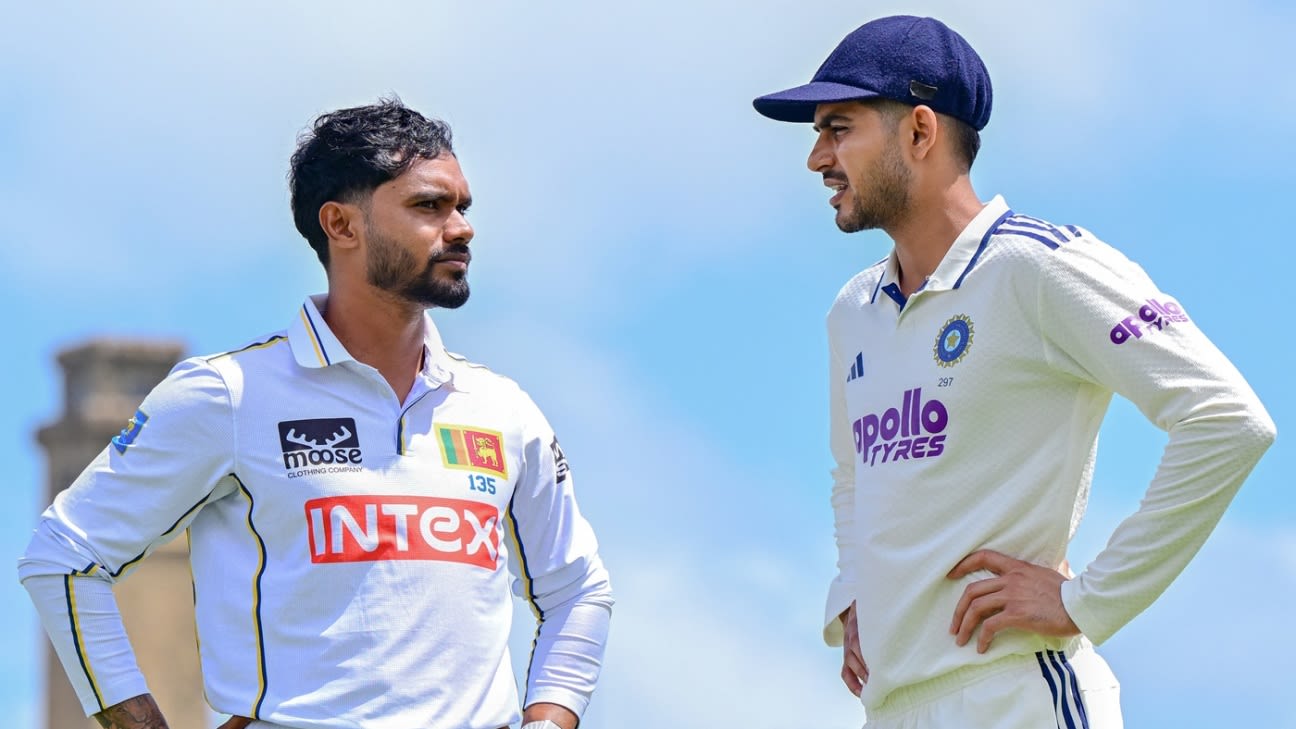
Sri Lankan conditions often encourage spin bowling, particularly as playing surfaces deteriorate. Indian players have considerable experience competing on similar pitches, making these encounters technically interesting. However, understanding local conditions does not guarantee success. Teams must carefully manage partnerships, select appropriate bowling combinations and respond effectively to changing match situations. The 2026 Test series illustrated how first-innings advantages and determined batting performances can influence the direction of an entire match.
Memorable World Cup Encounters
World Cup competitions have produced some of the most significant moments in the cricketing history of India and Sri Lanka. The 1996 Cricket World Cup semifinal remains a memorable encounter because Sri Lanka progressed to the final before eventually winning its first World Cup title. That achievement represented a major turning point for Sri Lankan cricket and inspired generations of aspiring players.
Another unforgettable moment occurred during the 2011 ICC Cricket World Cup final in Mumbai. Sri Lanka established a competitive total through Mahela Jayawardene’s outstanding century. India successfully chased the target, with Gautam Gambhir and MS Dhoni delivering influential batting performances. Dhoni’s match-winning six became an iconic moment in international cricket. These historic encounters continue to demonstrate the importance of leadership, composure and individual excellence during high-pressure competitions.
Influence of Legendary Cricketers on the Rivalry
Several legendary cricketers have contributed to the development of this sporting relationship. India’s Sachin Tendulkar became renowned for his remarkable consistency against international bowling attacks, including Sri Lanka’s highly experienced bowlers. Rahul Dravid, Virender Sehwag, MS Dhoni and Virat Kohli have also produced influential performances that strengthened India’s cricketing reputation.
Sri Lanka’s cricketing heritage includes exceptional players such as Kumar Sangakkara, Mahela Jayawardene, Sanath Jayasuriya, Lasith Malinga and Muttiah Muralitharan. Their performances introduced innovative techniques and established new standards of international excellence. Although many of these legendary figures have retired, their contributions remain influential. Modern players continue to learn from their approaches to batting, bowling, leadership and managing pressure during important matches.
Modern Players Shaping the Future of Both Teams
The modern india vs sri lanka rivalry is increasingly influenced by emerging players and established international performers. Indian talents such as Shubman Gill, Yashasvi Jaiswal, Rishabh Pant and Suryakumar Yadav represent different approaches to contemporary batting. Bowlers such as Jasprit Bumrah and Kuldeep Yadav demonstrate the importance of accuracy, variations and tactical awareness across cricket formats.
Sri Lanka has also developed talented players capable of delivering competitive performances. Pathum Nissanka, Charith Asalanka, Kusal Mendis, Wanindu Hasaranga and Maheesh Theekshana represent important elements of its recent cricketing setup. Their ability to perform consistently against experienced opponents will influence Sri Lanka’s future international progress. However, final team selections depend on player fitness, individual form, format requirements and selection decisions.
Batting Strategies and Technical Differences
India’s batting approach combines traditional cricketing techniques with modern attacking strategies. Indian batters frequently focus on building partnerships, rotating the strike and accelerating during favourable situations. This balanced approach can help maintain scoring momentum without exposing the middle order to unnecessary pressure. India’s domestic cricket structure also provides opportunities for young players to develop experience against different bowling styles.
Sri Lankan batting has historically incorporated creativity, adaptability and effective use of scoring opportunities. Innovative shot selection can disrupt disciplined bowling attacks and create gaps in defensive field placements. However, consistency remains essential when competing against experienced opposition. Building substantial partnerships, avoiding unnecessary dismissals and managing difficult middle-over periods can help Sri Lanka establish stronger positions across international formats.
Bowling Strengths and Tactical Approaches
Bowling plays a particularly important role when India and Sri Lanka compete on subcontinental surfaces. Both nations have produced exceptional spin bowlers who understand how to use flight, turn, changes of pace and variations in delivery angles. These skills become increasingly valuable when pitches offer limited assistance to fast bowlers or begin deteriorating during longer matches.
Modern cricket also requires pace bowlers to develop skills beyond conventional speed and swing. Slower deliveries, accurate yorkers and controlled short-pitched bowling can help restrict aggressive batters during limited-overs competitions. The ability to combine effective spin bowling with disciplined pace attacks gives teams greater tactical flexibility. Captains must identify favourable matchups and introduce suitable bowlers before opposition batters establish complete control.
How Playing Conditions Influence Match Results
The outcome of an india vs sri lanka encounter can depend significantly on pitch characteristics and environmental conditions. Indian cricket grounds offer considerable variety, ranging from surfaces that encourage high-scoring batting performances to pitches that provide substantial assistance to spin bowlers. Sri Lankan venues frequently present slower conditions where accurate bowling and intelligent batting become particularly important.
Weather also affects tactical planning. Humidity, rainfall and evening dew can influence ball movement, bowling control and fielding performance. Teams competing in day-night matches must consider whether conditions will become more favourable for batting during the second innings. Successful teams prepare flexible strategies instead of depending on a single predetermined approach. Reading the surface accurately and responding to changing circumstances can provide a meaningful competitive advantage.
Important Factors That Determine Match Outcomes
International cricket involves numerous individual and collective decisions that influence overall performance. Even teams with experienced players and impressive historical records can struggle when they fail to manage important match situations effectively.
Some of the most influential factors include:
-
Consistent opening partnerships and effective powerplay management.
-
Disciplined bowling during crucial middle-over periods.
-
Accurate fielding and successful catching opportunities.
-
Effective captaincy and intelligent tactical adjustments.
-
Mental strength during challenging match situations.
These factors become particularly important during tournament matches, where teams face additional expectations and limited opportunities to recover from poor performances.
The Significance of Asia Cup Competitions
The Asia Cup provides an important platform for India and Sri Lanka to compete against other leading Asian cricketing nations. Both teams have established successful histories in this tournament, contributing memorable performances and competitive encounters. The competition also allows teams to evaluate their strategies before participating in larger international events.
India’s dominant victory against Sri Lanka in the 2023 Asia Cup final demonstrated the impact of outstanding bowling. Sri Lanka was dismissed for 50 runs, with Mohammed Siraj delivering a remarkable six-wicket performance. However, subsequent encounters have shown that individual tournament results do not permanently define the competitive relationship between these nations. Sri Lanka’s later ODI series success highlighted its ability to recover and challenge stronger opposition through improved preparation.
Role of Domestic Cricket and Franchise Leagues
Domestic competitions contribute significantly to the development of international cricket talent. India’s extensive domestic structure, including the Ranji Trophy, Vijay Hazare Trophy and Indian Premier League, provides players with opportunities to improve their technical abilities and competitive experience. Young cricketers can learn from established professionals while adapting to different match situations.
Sri Lanka’s domestic competitions and the Lanka Premier League also contribute to player development. Franchise cricket allows emerging talents to compete alongside experienced international professionals and gain exposure to modern strategies. Improving domestic cricket standards, coaching quality and opportunities for young players remains important for Sri Lanka’s long-term competitiveness. A strong domestic system can help both nations maintain reliable replacement options when experienced international players become unavailable.
Technology and Modern Cricket Preparation
Technology has become an essential component of professional cricket preparation. Coaches and analysts increasingly examine opposition performances through video analysis, statistical reports and detailed player assessments. These resources help teams identify technical weaknesses, understand scoring patterns and develop more effective bowling strategies.
For example, analysts may examine how a particular batter responds to deliveries outside the off stump or identify scoring areas that become especially productive against spin bowling. Such information allows coaches to develop targeted training sessions. However, statistical preparation must complement practical cricketing intelligence. Players still need to make independent decisions when unexpected situations arise during competitive matches.
Fan Engagement and the Cultural Importance of Cricket
Cricket holds considerable cultural significance in both India and Sri Lanka. International matches bring communities together, encourage discussions among supporters and create memorable experiences across generations. The india vs sri lanka rivalry also benefits from geographical proximity and shared enthusiasm for the sport.
Digital platforms have expanded the ways supporters interact with cricket. Fans increasingly follow match highlights, player interviews, statistical discussions and expert analysis through mobile devices. This accessibility allows international cricket to reach younger audiences and supporters living outside their home countries. The emotional connection between cricket teams and their supporters continues to strengthen the sporting relationship while encouraging greater participation in grassroots cricket.
Future Opportunities and Expectations
Looking ahead, India and Sri Lanka face important opportunities to strengthen their international performances. India’s priorities include maintaining squad depth, managing player workloads and preparing emerging talents for leadership responsibilities. Sustained success requires effective transitions between experienced professionals and younger players without compromising overall team balance.
Sri Lanka can benefit from improving batting consistency, strengthening fast-bowling resources and expanding opportunities for domestic talent. Its established spin-bowling tradition remains a valuable competitive asset. With appropriate investment in coaching, fitness and player development, Sri Lanka has the potential to challenge leading international teams more consistently. Future bilateral competitions and major tournaments will provide opportunities for both nations to demonstrate their progress.
Frequently Asked Questions
1. Which team has a better head-to-head cricket record?
India has a stronger overall head-to-head record against Sri Lanka across Test matches, ODIs and T20 internationals. However, Sri Lanka has achieved several important victories in bilateral series and major international tournaments.
2. Who won the 2026 Test series between India and Sri Lanka?
India won the August 2026 Test series against Sri Lanka by a 1–0 margin. India secured victory in the opening Test at Galle, while the second Test in Colombo ended in a draw.
3. Why are matches between India and Sri Lanka popular?
These matches are popular because of their extensive cricketing history, talented players, competitive performances and memorable international tournament encounters. Both countries also have passionate cricket supporters.
4. Who won the 2011 Cricket World Cup final?
India defeated Sri Lanka by six wickets in the 2011 ICC Cricket World Cup final at Mumbai’s Wankhede Stadium. Gautam Gambhir and MS Dhoni played important roles in India’s successful run chase.
5. Can Sri Lanka defeat India in international cricket?
Yes. Sri Lanka possesses talented players and effective bowling resources capable of challenging India. Its 2024 ODI series victory demonstrated that disciplined performances and effective tactical preparation can overcome stronger historical records.
6. Which cricket format is most entertaining between these teams?
T20 cricket often provides fast-paced entertainment because of aggressive batting and unpredictable finishes. However, ODI and Test cricket offer equally valuable experiences for supporters who appreciate technical skills, tactical planning and sustained competition.
Conclusion
The india vs sri lanka rivalry remains an important part of international cricket, combining historical achievements, exceptional individual performances and evolving competitive strategies. Although India has maintained a stronger overall statistical record, Sri Lanka continues to demonstrate its ability to challenge experienced opponents through disciplined bowling, adaptable batting and determined performances.
Recent encounters have reinforced the importance of technical preparation, team balance and tactical flexibility. As both nations develop emerging players and prepare for future international competitions, their cricketing relationship offers considerable potential for further memorable moments. Whether competing in Test cricket, ODI tournaments or exciting T20 encounters, India and Sri Lanka continue to contribute to the growth, popularity and competitive spirit of international cricket.