India vs New Zealand Match Scorecard: Complete Match Analysis and Key Highlights

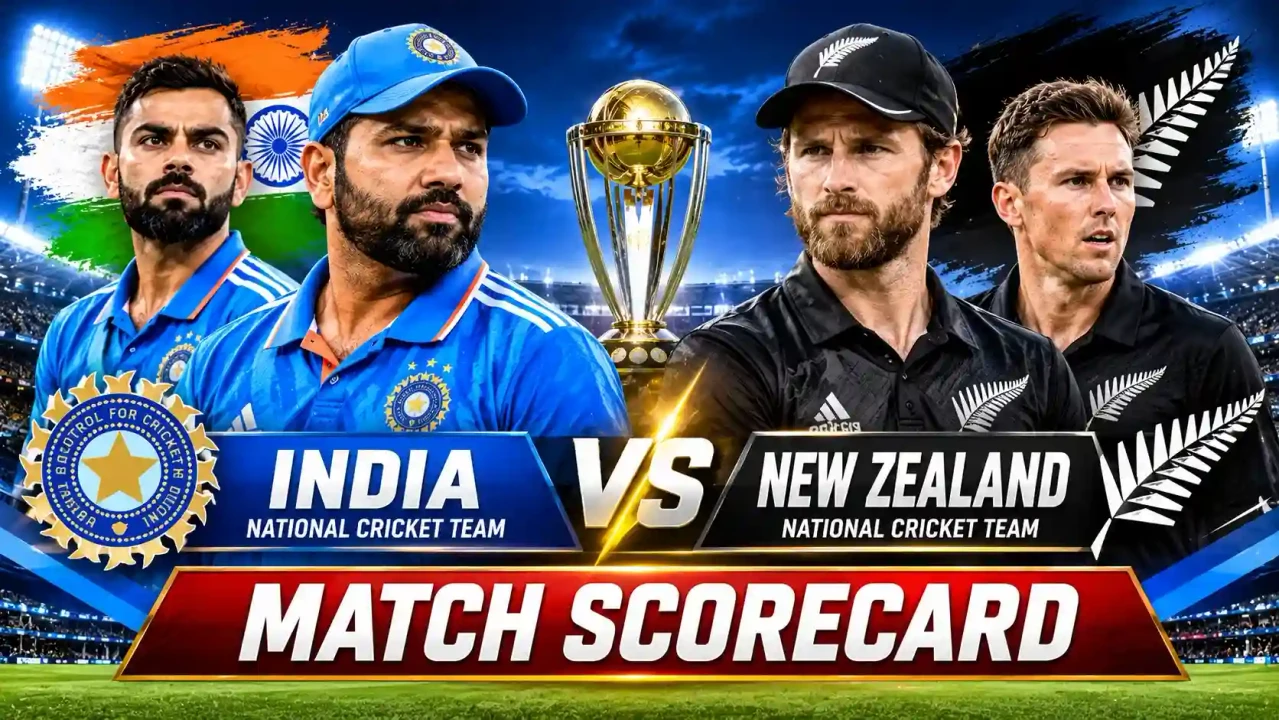
India and New Zealand share a fascinating cricketing rivalry that has produced several memorable matches across Test cricket, One Day Internationals (ODIs) and Twenty20 Internationals (T20Is). Both teams have developed strong cricketing traditions, featuring talented batters, disciplined bowlers and experienced all-rounders. Whenever these sides meet, cricket fans expect competitive performances, exciting batting displays and important bowling contributions that can change the direction of a match.
The india national cricket team vs new zealand national cricket team match scorecard is an important resource for supporters who want to understand how a match unfolded. It provides detailed information about individual batting performances, bowling figures, extras, partnerships, fall of wickets and the final result. Instead of looking only at the winning team’s total, readers can use the scorecard to understand the contributions that shaped the contest.
A cricket scorecard also makes it easier to compare performances between the two teams. A batter’s strike rate, a bowler’s economy rate and the number of wickets taken can explain why one side gained an advantage. Understanding these details gives fans a clearer picture of the match beyond the final score.
India vs New Zealand Latest ODI Match Overview
For the latest completed ODI reference, the second match of the 2026 India tour of New Zealand provides an exciting example of how closely contested cricket can become. The match was played on November 7, 2026, at Hnry Stadium in Wellington. India won the contest by four runs under the Duckworth-Lewis-Stern (DLS) method after rain interrupted the second innings.
New Zealand batted first and scored 134 runs in 41 overs before losing all ten wickets. India began its chase but experienced difficulties against New Zealand’s bowling attack. The visitors reached 113/7 in 26 overs when rain brought the match to an end. Under the DLS calculation, India was four runs ahead of the required score and therefore secured the victory. This result gave India a 2-0 lead in the five-match ODI series.
Match Summary and Important Details
The following table provides a quick overview of the contest and its main results.
| Match detail | Information |
|---|---|
| Match | New Zealand vs India, 2nd ODI |
| Series | India tour of New Zealand 2026 |
| Date | November 7, 2026 |
| Venue | Hnry Stadium, Wellington |
| New Zealand score | 134 all out (41 overs) |
| India score | 113/7 (26 overs) |
| Result | India won by 4 runs (DLS) |
| Leading New Zealand batter | Daryl Mitchell (55) |
| Leading Indian batter | KL Rahul (26*, 38 balls) |
| Best Indian bowler | Gurnoor Brar (4/30) |
| Best New Zealand bowling figures | Kyle Jamieson (3/35) |
This match demonstrated the importance of adapting to changing conditions. New Zealand struggled to build partnerships, while India’s bowlers maintained pressure throughout the first innings. During the chase, New Zealand’s bowlers also produced a strong response, making the result dependent on the DLS calculation rather than a conventional completed run chase.
New Zealand Batting Performance
New Zealand’s batting innings began with early setbacks, which prevented the home side from establishing a comfortable position. Will Young scored six runs from 17 deliveries, while Tim Seifert was dismissed without scoring. Henry Nicholls contributed 11 runs, but the early dismissals increased pressure on the middle order. India’s bowling unit took advantage of the situation by maintaining disciplined lines and lengths instead of allowing the batters to settle.
Daryl Mitchell was the standout performer for New Zealand, scoring 55 runs from 104 balls. His innings included five boundaries and two sixes. He tried to rebuild the innings through patient batting and remained at the crease when wickets continued to fall at the other end. Mitchell Santner added 31 runs from 38 deliveries, providing useful support during the middle overs. However, the remaining batters could not produce substantial contributions, and New Zealand finished with 134 runs.
Key New Zealand Batting Contributions
The main batting performances included:
-
Daryl Mitchell: 55 runs from 104 balls.
-
Mitchell Santner: 31 runs from 38 balls.
-
Henry Nicholls: 11 runs from 26 balls.
-
Tom Latham: 7 runs from 22 balls.
These contributions show how heavily New Zealand depended on Mitchell and Santner. Their partnership provided some stability, but the lack of substantial runs from the top order affected the team’s overall total.
India Bowling Performance Against New Zealand
India’s bowling performance was one of the biggest reasons behind the visitors’ success. The Indian bowlers attacked early, restricted scoring opportunities and regularly created wicket-taking chances. Gurnoor Brar delivered an impressive spell, taking four wickets for 30 runs in ten overs. His ability to maintain pressure during the middle and later stages of the innings made it difficult for New Zealand to accelerate.
Anshul Kamboj and Auqib Nabi also contributed two wickets each, while Axar Patel picked up two important dismissals. Arshdeep Singh maintained control with an economical spell, conceding only 16 runs in seven overs. The collective effort ensured that New Zealand could not build a strong finishing partnership. India’s bowling figures highlighted the importance of teamwork rather than depending on one individual to control the entire innings.
India Batting Performance and Run Chase
India’s chase was not straightforward despite New Zealand posting a relatively modest total. The Indian top order faced early pressure from the opposition’s fast bowlers. Shubman Gill was dismissed for a duck, while Virat Kohli managed only seven runs. Rohit Sharma scored 23 runs from 28 deliveries, including two fours and two sixes, but his dismissal further increased the pressure on the middle order.
Shreyas Iyer contributed 30 runs from 46 balls and helped India regain some stability. However, New Zealand continued taking wickets at important moments. Axar Patel scored seven runs, while Naman Dhir added 12. KL Rahul remained unbeaten on 26 from 38 deliveries, showing patience and attempting to guide the innings through a difficult period. India reached 113/7 after 26 overs before rain interrupted play. The DLS method ultimately confirmed India’s four-run victory.
Important Indian Batting Performances
Some of the notable individual contributions were:
-
KL Rahul: 26 not out from 38 balls.
-
Shreyas Iyer: 30 runs from 46 balls.
-
Rohit Sharma: 23 runs from 28 balls.
-
Naman Dhir: 12 runs from 16 balls.
Although India lost several wickets, Rahul’s unbeaten contribution helped maintain the team’s position during the interrupted chase. The innings also demonstrated why middle-order stability is essential when an opposition bowling attack creates pressure early.
New Zealand Bowling Performance
New Zealand’s bowlers made the Indian chase challenging by taking wickets at regular intervals. Kyle Jamieson was particularly effective, finishing with three wickets for 35 runs in ten overs. His ability to extract movement and maintain pressure created problems for India’s top-order batters. Jacob Duffy also took three wickets, conceding 35 runs in seven overs. Both bowlers played important roles in preventing India from building a comfortable partnership.
Matthew Fisher picked up one wicket, while Nathan Smith bowled five overs without taking a wicket. New Zealand’s bowling performance demonstrated that even a relatively small target can become difficult when the bowling side maintains discipline. The early dismissals of Gill and Kohli gave the hosts an opportunity to put India under pressure, although the rain-affected finish eventually went in India’s favour.
Important Turning Points of the Match
Several moments influenced the outcome of this closely contested ODI. New Zealand’s early batting collapse was a major setback because the team lost important wickets before establishing a strong foundation. Daryl Mitchell’s half-century helped the hosts recover, but India’s bowlers continued applying pressure and prevented the lower order from adding a significant number of runs.
Another important moment came during India’s chase. New Zealand removed Shubman Gill and Virat Kohli early, creating an opportunity to defend their total. Rohit Sharma and Shreyas Iyer attempted to stabilize the innings, but the wickets continued to fall. KL Rahul’s unbeaten contribution became important as India approached the end of its shortened innings. Finally, rain interrupted the match, and the DLS calculation determined the winner. These moments explain why the contest remained competitive despite New Zealand’s comparatively low first-innings score.
Understanding the DLS Method in This Match
The Duckworth-Lewis-Stern method is used in limited-overs cricket when weather interruptions prevent a match from following its original schedule. Instead of relying only on the number of overs completed, the method considers the resources available to both teams, including overs remaining and wickets in hand. It calculates a revised target or par score to provide a fair comparison between the two innings.
In the Wellington contest, India had scored 113 runs for seven wickets in 26 overs when rain stopped play. The revised calculation placed India four runs ahead of the required par score. As a result, India was declared the winner. This is an important detail for anyone examining the india national cricket team vs new zealand national cricket team match scorecard because the final result cannot be understood by comparing only the two innings’ raw totals.
India vs New Zealand Cricket Rivalry
India and New Zealand have developed a competitive relationship across all three major international formats. Their encounters often feature different playing conditions, tactical approaches and individual performances. India traditionally brings a combination of technically skilled batters, quality spin bowling and experienced fast bowlers. New Zealand, meanwhile, is known for its disciplined bowling, adaptable batting combinations and effective teamwork.
Their rivalry has produced memorable encounters in bilateral series and international tournaments. Both teams have experienced important victories, challenging defeats and closely fought contests. The 2026 series in New Zealand has again demonstrated how quickly the momentum can change between matches. India’s victories in the first two ODIs established an advantage, while the rain-affected third ODI on November 10 ended without a result.
Different Formats and Their Scorecard Features
The india national cricket team vs new zealand national cricket team match scorecard can look different depending on the format being played. Each format has its own scoring patterns, tactical requirements and match duration.
In Test cricket, the scorecard generally includes two innings for each team, and players have more opportunities to build lengthy innings. Batting averages, bowling spells, partnerships and the number of overs become important indicators of performance.
In ODI cricket, each side normally receives a maximum of 50 overs. Batters must balance scoring speed with wicket preservation, while bowlers need to control runs during different phases of the innings. In T20 cricket, the focus shifts towards quick scoring, powerful hitting and economical bowling. Strike rates and boundaries often receive greater attention because every delivery can influence the final result.
How to Read a Cricket Match Scorecard
For new cricket followers, understanding scorecard abbreviations can make match analysis much easier. The batting section usually displays the number of runs scored, balls faced, boundaries, sixes and strike rate. The bowling section includes overs, maidens, runs conceded, wickets taken and economy rate. Together, these figures provide a complete picture of individual contributions.
Some commonly used scorecard terms include:
-
R: Total runs scored by a batter.
-
B: Number of deliveries faced.
-
SR: Batting strike rate.
-
O: Overs bowled by a player.
-
W: Wickets taken by a bowler.
Other important details include extras, fall of wickets and partnerships. Extras are runs awarded to the batting team through wides, no-balls, byes and leg-byes. Fall of wickets explains when individual batters were dismissed, while partnerships show how many runs two batters added together.
What Makes India vs New Zealand Matches Interesting?
The biggest attraction of this rivalry is the contrast between the two teams’ cricketing approaches. India often relies on its batting depth and ability to build partnerships, while New Zealand frequently focuses on disciplined bowling and exploiting difficult conditions. These differences create interesting tactical battles, particularly when matches take place in New Zealand, where weather and pitch conditions can influence the game.
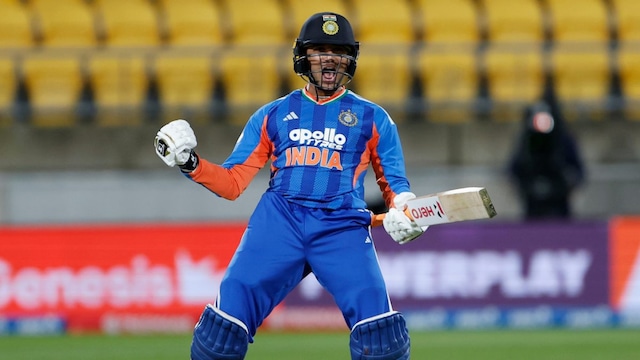
Individual player performances also add excitement. Experienced players can stabilize an innings when early wickets fall, while younger cricketers get opportunities to demonstrate their abilities at the international level. A single spell of bowling or a valuable partnership can completely change the direction of a match. This is why fans regularly examine the india national cricket team vs new zealand national cricket team match scorecard after every major encounter.
Upcoming India vs New Zealand ODI Matches
The November 2026 ODI series has continued to attract attention following India’s early success. After the first two matches, the third ODI in Hamilton was abandoned because of persistent rain. India therefore maintained a 2-0 advantage in the five-match series. The fourth and fifth ODIs are scheduled to take place at Bay Oval in Mount Maunganui on November 13 and November 15, respectively.
These upcoming matches provide another opportunity for both teams to test their combinations. India will look to maintain its series advantage, while New Zealand will aim to produce stronger performances in front of its home supporters. Batting consistency, bowling discipline and the ability to adjust to local conditions will remain important factors.
Why Fans Follow Detailed Match Scorecards
Cricket supporters follow scorecards for several reasons beyond simply checking which team won. Detailed statistics help them understand individual achievements, compare players and identify the important moments that influenced the result. For example, a batter scoring 30 runs from 20 balls has made a different contribution from someone scoring 30 runs from 50 balls. Similarly, a bowler taking three wickets while conceding very few runs may have a greater influence than someone who takes one wicket in an expensive spell.
The india national cricket team vs new zealand national cricket team match scorecard is also useful for cricket writers, sports bloggers and analysts who prepare match reports. It provides reliable statistical information that can support discussions about team combinations, batting weaknesses, bowling strategies and individual consistency. Readers can revisit these figures to compare performances across multiple matches and understand how players develop throughout a series.
Conclusion
India and New Zealand continue to produce competitive cricket across international formats, and their 2026 encounters have provided another example of the unpredictable nature of the sport. The second ODI in Wellington was particularly interesting because India secured a four-run DLS victory after New Zealand had been restricted to 134 runs. Daryl Mitchell’s half-century, Gurnoor Brar’s four-wicket spell, Shreyas Iyer’s contribution and KL Rahul’s unbeaten innings were among the notable individual performances.
For cricket followers, the india national cricket team vs new zealand national cricket team match scorecard offers much more than the final result. It helps explain batting contributions, bowling effectiveness, partnerships and the tactical decisions that influence a contest. Following these details makes every match more interesting and allows readers to understand the game from a deeper perspective. As the bilateral series continues, both teams will have further opportunities to create memorable performances and add new chapters to their cricketing rivalry.