IPL 2026: Teams, Tournament Format, Standings and Key Highlights

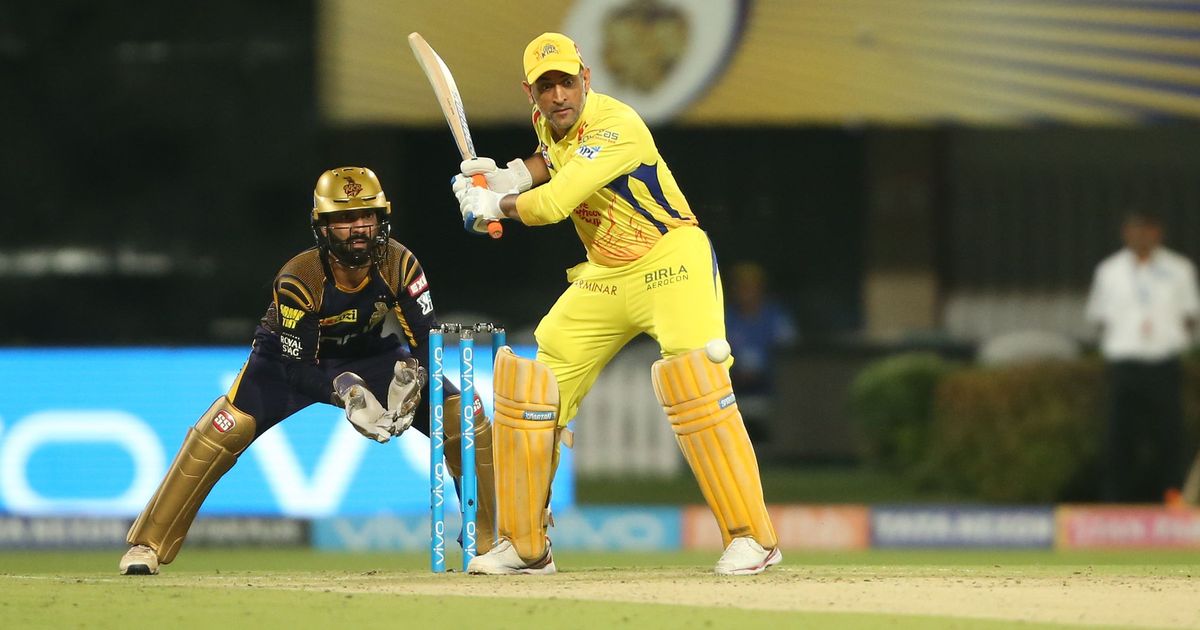
The Indian Premier League has established itself as one of the most exciting events in international franchise cricket. Every season brings together some of the world’s most talented players, passionate supporters, intense rivalries and memorable performances. The combination of powerful batting, intelligent bowling, tactical captaincy and dramatic finishes makes the tournament appealing to both dedicated cricket followers and casual viewers. IPL 2026 continues this tradition, attracting attention from fans who want to follow their favourite teams, understand the competition format and keep track of the performances that shape the championship race.
One of the biggest attractions of the tournament is its unpredictable nature. A team that begins the season slowly can recover through a series of victories, while a strong side can suddenly face pressure after consecutive defeats. Individual performances also play a major role, as an explosive innings, an economical bowling spell or an outstanding fielding effort can change the direction of a match. For supporters following IPL 2026, understanding the teams, standings, match results and qualification scenarios provides a clearer picture of how the competition develops throughout the season.
Beyond the action on the field, the IPL represents a major sporting and entertainment event. It provides opportunities for emerging Indian cricketers to compete alongside established international stars and gives franchises a platform to develop young talent. The tournament also demonstrates how data analysis, player management and strategic decisions influence modern T20 cricket. These elements make every match more than a simple contest between bat and ball.
Understanding the IPL 2026 Tournament Format
The IPL follows a franchise-based Twenty20 format in which teams compete for points during the league stage before the leading sides advance to the playoffs. Each match can have a significant impact on the standings, especially when several teams are separated by only a small number of points. Winning consistently is important, but the margin of victory can also become valuable when teams finish the league stage with similar records.
The standard IPL competition features ten franchises, with teams competing through a structured league schedule. The tournament format is designed to create repeated opportunities for teams to challenge one another while maintaining a competitive qualification race. The exact fixtures, match timings and any officially announced scheduling changes should be checked against the current season’s confirmed information, as these details can vary from one edition to another.
How the League Stage Works
During the league stage, franchises attempt to collect as many points as possible. Under the usual IPL points system, a victory earns two points, a defeat earns none, and an abandoned match without a result generally awards one point to each team. These points determine the order of teams in the standings, while net run rate can become important when sides are level on points.
For example, imagine two franchises finishing the league stage with the same number of victories. If their points totals are equal, their net run rates may determine which team occupies the higher position. This means a side must think beyond simply winning a match. Batting efficiently, limiting the opposition’s scoring and avoiding heavy defeats can all contribute to a stronger overall position.
IPL 2026 Teams and Their Competitive Strengths
The IPL’s ten-franchise structure creates a diverse competition in which each team develops its own identity. Some franchises are known for experienced batting line-ups, while others focus on pace bowling, spin options or the versatility of their all-rounders. The effectiveness of these combinations depends on player availability, current form, pitch conditions and the ability of the coaching staff to select the right team for each match.
The established franchises include Chennai Super Kings, Mumbai Indians, Kolkata Knight Riders, Royal Challengers Bengaluru, Rajasthan Royals, Sunrisers Hyderabad, Delhi Capitals, Punjab Kings, Gujarat Titans and Lucknow Super Giants. Each has a different history, supporter base and approach to team building. However, past success does not guarantee future results. Player auctions, injuries, changes in leadership and the development of young cricketers can alter the competitive balance from one season to the next.
What Makes a Balanced Team?
A successful T20 team needs more than a few famous batters. Its batting order should provide stability during the opening overs, acceleration through the middle and finishing power at the end. Bowling resources must also cover different phases of the innings, including the powerplay, middle overs and death overs. Teams with flexible all-rounders often gain an advantage because they can adjust their combinations according to the conditions.
Fielding is another important part of the equation. Saving a boundary, completing a difficult catch or producing a direct hit can make the difference in a close contest. Coaches and captains therefore consider several factors when choosing their playing eleven. A player who offers reliable fielding and an additional bowling option may provide greater overall value than someone whose contribution is limited to one discipline.
IPL 2026 Points Table and Standings Explained
The points table is one of the most useful tools for understanding the tournament. It shows how each franchise is performing across the league stage and helps supporters assess which teams are moving towards playoff qualification. A typical standings table includes matches played, wins, losses, no-results, points and net run rate. Reading these figures together provides a more accurate assessment than looking at victories alone.
The following table explains the main statistics commonly used to evaluate team performance. It is an explanatory guide rather than a live or verified final standings table.
| Statistic | Meaning | Why It Matters |
|---|---|---|
| Played | Total matches completed | Shows the team’s progress |
| Won | Matches successfully won | Contributes to the points total |
| Lost | Matches lost | Helps assess consistency |
| Points | Points earned in the league | Determines the standings order |
| Net run rate | Difference between adjusted scoring rates | Can separate teams level on points |
A team sitting near the top of the table generally has greater control over its qualification prospects, but its position is not necessarily secure until the relevant results are confirmed. Meanwhile, a franchise in the middle of the standings may remain a serious contender if it has matches remaining against direct competitors. Supporters should therefore consider the number of games played alongside points and net run rate before drawing conclusions.
Why Net Run Rate Can Change the Race
Net run rate measures the difference between a team’s scoring rate and the scoring rate of its opponents across the relevant matches. It rewards efficient performances over time rather than focusing on a single result. A convincing win can improve a team’s position, while a heavy defeat can weaken its net run rate even when its points total remains unchanged.
Consider a situation in which two teams have collected the same number of points near the end of the league stage. One side has regularly won by comfortable margins, while the other has secured several narrow victories and suffered a major defeat. Their win-loss records may look similar, but their net run rates could be substantially different. This is why teams often continue attacking when a strong position allows them to improve their scoring margin without taking unnecessary risks.
Key Players and Match-Winning Performances
Individual performances remain central to the IPL experience. Batters are judged not only by the number of runs they score but also by how quickly they score them and when those runs arrive. An opening batter may need to build a reliable foundation, whereas a middle-order player could be expected to attack immediately after entering the match. A finisher, meanwhile, must remain composed under pressure and convert scoring opportunities into runs during the final overs.

Bowling performances can be equally decisive. Fast bowlers attempt to generate movement, pace and accuracy, while spinners use changes in trajectory, speed and turn to disrupt the batting side. Death-over specialists face the particularly difficult challenge of defending totals against aggressive hitters. Their ability to execute yorkers, slower deliveries and well-planned variations often determines whether a close match ends in victory or defeat.
All-rounders bring additional flexibility by contributing in both innings. They can strengthen the batting order, provide extra bowling coverage and give captains more tactical options. Young players also deserve attention because the IPL regularly provides a competitive environment in which emerging cricketers can demonstrate their abilities against experienced international opponents. A breakthrough season can improve a player’s confidence and establish a reputation that extends beyond the tournament.
The Importance of Pitch Conditions and Home Advantage
Cricket conditions can influence the outcome of a match as much as individual talent. Some pitches offer good bounce and encourage aggressive batting, while others provide assistance to spinners or reward bowlers who maintain disciplined lines and lengths. Ground dimensions also matter because shorter boundaries can make certain scoring areas easier to target. Teams that assess these conditions carefully are often better prepared to select suitable players and develop realistic match strategies.
Home advantage can provide another important factor. Familiarity with the ground, local weather and typical pitch behaviour may help a franchise prepare more effectively. Support from home spectators can also create an energetic atmosphere, particularly during a close finish. Nevertheless, playing at home does not guarantee a victory. Visiting teams can succeed by adapting their plans, managing pressure and responding intelligently to conditions.
Weather and interruptions may also influence the way a match develops. Rain can reduce the available overs, change target calculations and create uncertainty around the result. Teams must therefore prepare for different possibilities rather than relying on a single game plan. The ability to adjust quickly is an important characteristic of successful T20 sides.
Playoff Qualification and the Road to the Final
The playoff stage separates the leading teams from the rest of the competition and increases the pressure on every decision. Under the established ten-team IPL format, the top four franchises qualify for the playoffs. The usual system gives the first- and second-placed teams an opportunity to reach the final through Qualifier 1, while the third- and fourth-placed sides meet in the Eliminator. The winner of the Eliminator then faces the loser of Qualifier 1 in Qualifier 2, with the winner advancing to the final.
This format rewards strong league-stage performances because finishing in the top two provides an additional route to the championship match. A team finishing third or fourth can still win the title, but it must navigate a more demanding path. Consequently, the battle for the top two places can remain important even after several teams have secured their playoff positions.
Factors That Influence Qualification
A franchise’s qualification prospects depend on its remaining fixtures, current points total and the results of competing teams. Direct encounters can become especially significant because one result may benefit the winner while simultaneously slowing a rival. A team should also avoid assuming that a particular number of victories guarantees qualification, since the final outcome depends on the complete set of results and any applicable tie-breakers.
Supporters can follow the qualification race more effectively by monitoring three elements: the points gap between competing teams, the number of matches remaining and the net run rate of franchises with similar records. These figures help explain why a side can rise quickly after consecutive wins or fall behind despite remaining competitive in individual matches.
How Fans Can Follow the Tournament More Effectively
Following a full IPL season can be easier when supporters focus on a few reliable indicators rather than reacting to every headline. Match results reveal immediate outcomes, while the standings show their cumulative effect. Scorecards help explain how a team won or lost, and player statistics reveal trends that may not be obvious from the final score alone. For instance, a batter scoring 35 runs from 18 balls may have had a greater influence on a successful chase than someone scoring 45 from 40 deliveries.
Fans should also distinguish confirmed information from predictions and speculation. Expected playing elevens, injury updates and possible tactical changes may be discussed before a match, but the final team selection can differ. Similarly, a strong performance in one game does not automatically establish a long-term trend. Reviewing several matches provides a more balanced understanding of a player’s form and a team’s consistency.
Useful indicators to monitor throughout the season include:
- Team points, wins and net run rate.
- Batting strike rates and bowling economy rates.
- Player availability and officially confirmed team selections.
- Remaining fixtures and playoff qualification scenarios.
Combining these indicators helps supporters understand both the immediate result and its wider effect on the championship race.
The Role of Technology and Strategy in Modern IPL Cricket
Modern T20 cricket increasingly depends on analysis and preparation. Teams study opposition tendencies, evaluate scoring patterns and assess which bowling options are most effective against particular batters. Video analysis can help identify technical weaknesses, while performance data supports decisions about batting order, field placements and bowling changes. These tools do not remove uncertainty from the game, but they can help teams make more informed choices.

Technology also influences how supporters experience the tournament. Digital scorecards, live commentary, performance graphics and ball-by-ball updates allow viewers to understand the match as it unfolds. Rather than focusing only on the final score, fans can examine partnerships, scoring rates, wickets lost and the required run rate during a chase. This additional context makes the tactical side of cricket more accessible to a wider audience.
Despite the increasing use of data, cricket remains a sport in which human judgement matters. A captain must interpret conditions, assess player confidence and decide when to change a plan. A batter may need to abandon an aggressive approach to protect a partnership, while a bowler may choose an unexpected delivery to surprise an established hitter. The strongest teams combine preparation with the ability to react naturally under pressure.
What Makes IPL 2026 Exciting for Cricket Fans?
The attraction of the season lies in the uncertainty surrounding every contest. Established franchises seek to protect their reputations, while teams with developing squads aim to establish themselves among the leading contenders. A close finish, an unexpected comeback or an emerging player producing a remarkable performance can quickly become one of the defining moments of a campaign. These possibilities ensure that interest continues even when a team’s immediate position changes.
The tournament also brings different cricketing styles together. International players contribute experience from varied conditions, while Indian domestic cricketers demonstrate their skills in a high-pressure environment. This mixture creates opportunities for tactical experimentation and gives spectators a chance to see how different approaches succeed against one another. For younger players, performing consistently on this stage can be an important step in their professional development.
Conclusion
IPL 2026 brings together the competitive elements that have made the Indian Premier League a major event in modern cricket. Team balance, player form, tactical decisions, pitch conditions and points-table pressure all contribute to the outcome of the championship. Understanding these factors allows supporters to look beyond individual scores and appreciate the wider story of the tournament.
The points table and net run rate help explain the qualification race, while match scorecards and player statistics reveal how performances influence results. The playoff structure adds another layer of competition, rewarding strong league-stage finishes while preserving opportunities for teams that qualify in lower positions. By following confirmed results and examining performances in context, fans can gain a more informed view of the season. Ultimately, the excitement comes from the fact that every match offers a new challenge, and the road to the trophy remains shaped by the teams that adapt, perform consistently and deliver when the pressure is highest.


