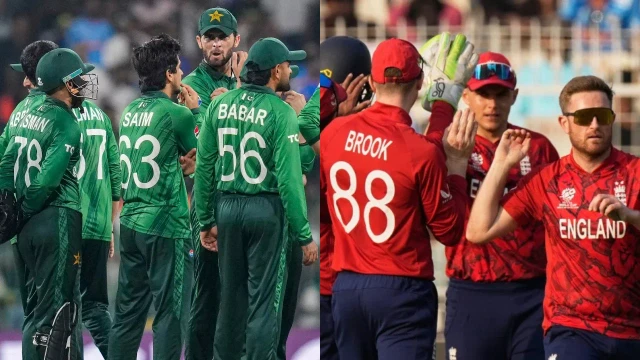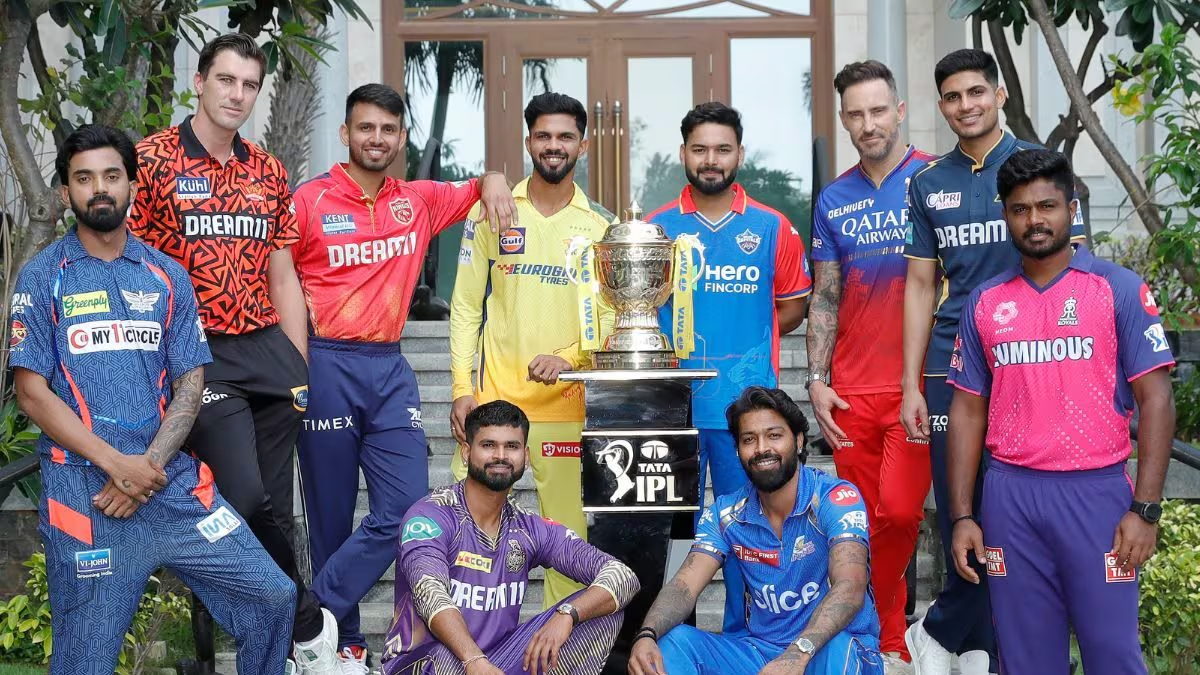
Cricket has a special place in India, and the Indian Premier League (IPL) has transformed how fans experience the sport. Combining international stars, emerging Indian players, competitive franchises, and fast-paced T20 action, the tournament attracts millions of viewers every season. From dramatic final overs to remarkable batting performances, every game offers something that keeps supporters engaged until the final ball. Whether someone follows cricket regularly or watches only during major tournaments, the excitement surrounding an IPL match makes the competition entertaining for a wide audience.
The popularity of the IPL comes from its unpredictable nature. A team can appear comfortable while chasing a target and suddenly lose several wickets, changing the entire direction of the contest. Similarly, a bowler who struggles during the opening overs may return at the end to defend a small total. Fans discuss team combinations, captaincy decisions, batting strategies, player form, and memorable performances long after a match finishes. Understanding these elements makes watching cricket more enjoyable because supporters can appreciate not only the result but also the tactical decisions that influence it.
Today, following the tournament involves much more than watching television broadcasts. Cricket enthusiasts also pay attention to match schedules, toss results, playing elevens, live scores, scorecards, and post-match analysis. These details help viewers understand what is happening on the field and why a particular team has gained an advantage. Knowing how to interpret this information makes it easier to follow the competition throughout the season.
What Is an IPL Match?
An IPL match is a professional Twenty20 cricket contest between two franchise teams participating in the Indian Premier League. Each team normally receives a maximum of 20 overs to bat, subject to the laws and playing conditions of the competition. The team scoring more runs wins, unless the result is affected by a tie, a rain interruption, or another applicable playing condition. Because the format places a premium on scoring quickly, batters frequently attempt boundaries while bowlers rely on variations, accuracy, and changes in pace to restrict the opposition.
The tournament brings together experienced international cricketers and talented domestic players. This combination creates interesting contests between different playing styles, backgrounds, and approaches to pressure. An established batter might face a young Indian fast bowler, while an experienced spinner may try to control an aggressive middle-order partnership. Team management must balance batting depth, bowling options, fielding ability, and the specific demands of each venue. These decisions can have a significant impact on the final result, making the competition as much about planning as individual talent.
Another important feature is the tournament’s franchise structure. Teams represent different cities and regions, allowing fans to develop strong connections with their favourite sides. Supporters follow player transfers, team announcements, captaincy changes, and performances across multiple seasons. This combination of local loyalty and international participation has helped establish the IPL as one of the most widely followed domestic T20 cricket competitions in the world.
IPL 2026: Season Highlights and Current Status
The 2026 season provided another example of how quickly T20 cricket can change. The tournament began on March 28 and concluded on May 31, 2026, with Royal Challengers Bengaluru winning the final against Gujarat Titans by five wickets. The result was particularly significant because Bengaluru successfully defended its title, adding another memorable chapter to the franchise’s history. The final also demonstrated why chasing a target can remain competitive even when the batting side loses wickets or faces pressure during the middle overs.
Individual performances were another major talking point during the season. Vaibhav Sooryavanshi finished as the leading run-scorer with 776 runs, while Kagiso Rabada claimed the most wickets with 29 dismissals. These achievements illustrated the importance of both aggressive batting and effective bowling throughout a long tournament. However, individual statistics tell only part of the story because team balance, partnerships, fielding standards, and performances during important matches also influence championship campaigns. Since the 2026 season has concluded, readers looking for current information should distinguish completed results from fixtures announced for a future season.
How to Follow an IPL Match Live
Following a game live is easier when viewers understand the information presented in a cricket scorecard. The score usually shows the total runs scored, wickets lost, and overs completed. For example, a score of 165/4 after 18 overs means the batting team has scored 165 runs, lost four wickets, and completed 18 overs. If it is chasing 190, it needs another 25 runs from the remaining 12 legal deliveries, assuming no additional interruptions or changes to the target. This simple calculation helps viewers understand the required scoring rate and the pressure facing both teams.
Live coverage also provides information about individual batters, bowlers, partnerships, extras, and the number of runs scored in each over. A batter’s strike rate indicates how quickly they score, while a bowler’s economy rate measures the average runs conceded per over. These figures become particularly useful during the final overs, when a small change in scoring speed can determine the outcome. A team that scores steadily during the middle overs may place itself in a strong position, but losing several wickets can quickly reduce its chances of completing a successful chase.
Important Details to Check During Live Coverage
When following an ipl match, viewers should pay attention to the following information:
-
The current score, wickets lost, and overs remaining.
-
The required run rate during a successful chase.
-
The playing eleven, substitutes, and available bowling options.
-
The latest partnerships, individual scores, and bowling figures.
Checking these details together provides a clearer picture than looking at the score alone. A team with fewer runs may still be in a strong position if it has wickets in hand, while a higher-scoring team may struggle if its remaining batters cannot maintain the required pace.
Understanding the IPL Match Schedule and Timings
A match schedule helps fans plan when to watch games and follow their preferred teams. The published fixture list generally includes the date, starting time, participating franchises, and venue. In India, evening matches have traditionally started at 7:30 p.m. Indian Standard Time, while afternoon fixtures have commonly begun at 3:30 p.m. These timings can vary if the governing body announces changes, so viewers should check the latest confirmed information rather than relying on an old timetable.
The schedule also affects player preparation and team strategy. Teams may have to travel between cities, adjust to different weather conditions, and recover after physically demanding games. A side playing consecutive matches with limited rest may need to manage its fast bowlers carefully, while another team returning to its home ground might benefit from familiarity with the pitch and surroundings. These practical considerations explain why a team’s position in the standings cannot always be understood by looking at its batting strength alone.
The following table explains the main types of information fans commonly find in a fixture or scorecard.
| Match information | What it tells viewers |
|---|---|
| Fixture date and time | When the game is scheduled to begin |
| Teams and venue | Which franchises are playing and where |
| Toss result | Which captain won the toss and the decision made |
| Live score | Current runs, wickets, and overs |
| Final result | The winning team and margin of victory |
| Player statistics | Batting, bowling, and fielding performances |
Because the 2026 competition has already finished, a historical schedule should be treated as a record of completed fixtures. Future dates and match timings should only be considered confirmed when officially announced.
Teams, Rivalries, and Competition Format
The IPL’s franchise-based format gives supporters several reasons to follow the competition beyond individual games. Teams such as Chennai Super Kings, Mumbai Indians, Royal Challengers Bengaluru, Kolkata Knight Riders, Rajasthan Royals, Sunrisers Hyderabad, Delhi Capitals, Punjab Kings, Gujarat Titans, and Lucknow Super Giants bring different histories, playing styles, and fan communities to the tournament. Each franchise builds its squad around a combination of domestic talent and overseas players, subject to the tournament’s squad and overseas-player regulations.
Rivalries often develop through repeated encounters, close finishes, playoff eliminations, and memorable performances. A match between two established franchises may attract considerable attention because supporters remember earlier finals or dramatic last-over finishes. However, previous success does not guarantee a similar result in a new season. Player availability, injuries, form, team combinations, and conditions can all change the balance of a contest. This uncertainty makes the league stage interesting because teams must maintain consistency instead of depending on reputation alone.
The league stage generally determines which teams advance to the playoffs, where the competition becomes more intense. Teams must accumulate points through wins, while abandoned games and tied results are handled according to the tournament’s playing conditions. Net run rate can become important when teams finish level on points, making the margin of victory or defeat relevant in addition to the result itself. A strong performance throughout the league stage can provide a valuable advantage, but playoff matches introduce fresh pressure because a single poor performance can end a team’s title hopes.
Pitch Conditions and Their Impact on Results
Pitch conditions can influence how teams approach a game. Some surfaces provide good bounce and carry, allowing batters to play attacking shots, while others offer assistance to spinners or slower bowlers. The size of the ground, weather, humidity, and the amount of grass on the pitch may also affect the contest. Captains and coaching staff study these factors before deciding on their playing eleven and choosing whether to bat or bowl after winning the toss.
In an ipl match, a pitch that appears favourable for batting during the first innings may behave differently later in the evening. Dew can make it harder for bowlers to grip the ball, potentially helping the team batting second. However, these effects are not guaranteed, and teams must avoid making decisions based entirely on assumptions. For example, a captain choosing to chase a target may expect better batting conditions later, but early wickets could make the decision difficult to justify. Successful teams prepare for several possible situations instead of relying on a single prediction.
Key Player Performances and Match Statistics
Individual statistics help explain how a game developed. Batting averages, strike rates, boundaries, bowling economy rates, wickets, and partnerships provide different perspectives on player contributions. A batter scoring 35 runs from 18 deliveries may have a greater immediate impact during a fast chase than someone scoring 40 from 38 balls. Similarly, a bowler taking two wickets while conceding relatively few runs can change the direction of a contest, even without recording the highest number of wickets.
When evaluating an ipl match, it is useful to consider statistics alongside the circumstances in which they were achieved. Runs scored against a strong bowling attack may be particularly valuable, while wickets taken during the powerplay can disrupt the opposition’s plans. Fielding contributions also deserve attention because a direct-hit run-out, a difficult catch, or an important boundary save can affect the final margin. Looking beyond headline figures gives fans a more complete understanding of why a player performed well.
Historical statistics can also help compare teams and players across seasons. Nevertheless, past records should not be treated as a guarantee of future performance. A batter who dominated one season may face different conditions the following year, and a bowler’s effectiveness may change with workload, fitness, or adjustments to technique. The most meaningful analysis combines historical data with recent form, current conditions, and the demands of the particular game.
What Makes a Close IPL Game So Exciting?
Close finishes are among the most memorable features of T20 cricket. When a team needs 12 runs from the final over, every delivery can alter the result. A boundary may bring the required total within reach, while a wicket or a well-executed slower ball can restore the bowling team’s advantage. Batters must balance aggression with shot selection, and bowlers must remain composed while executing their plans under pressure. These moments turn an ordinary league fixture into a contest that fans remember for years.
An exciting ipl match does not always need a huge total or an extraordinary individual score. A low-scoring game with disciplined bowling, sharp fielding, and a tense final partnership can be equally entertaining. Tactical decisions, including when to introduce a specialist bowler or promote a batter in the order, may become decisive. Such contests demonstrate that cricket rewards adaptability and teamwork as much as individual brilliance.
How Fans Can Analyse a Match More Effectively
Fans can improve their understanding of the game by following a few simple habits. Instead of judging a team solely by its total, they can consider the pitch, wickets in hand, required run rate, and the quality of the remaining batters. Watching how captains manage their bowling resources can also reveal why certain overs become turning points. Over time, these observations make it easier to recognise patterns and appreciate the strategic side of the sport.
For anyone following an ipl match, it is also important to separate confirmed facts from predictions. Toss reports, official scorecards, playing elevens, and completed results are factual information, whereas forecasts about winners or player performances remain uncertain. Responsible cricket analysis acknowledges that unexpected events are part of the sport. Weather interruptions, injuries, outstanding individual efforts, and sudden changes in momentum can all overturn pre-match expectations.
Conclusion
The Indian Premier League combines fast-paced cricket, competitive franchises, individual brilliance, and tactical decision-making in a format that appeals to both dedicated supporters and casual viewers. Understanding schedules, scorecards, player statistics, pitch conditions, and tournament standings makes every game more meaningful. Rather than focusing exclusively on the final score, fans can gain greater insight by examining the decisions and performances that shaped the outcome. As cricket continues to evolve, the way supporters follow an ipl match will also develop through improved statistics, digital scorecards, and more detailed match analysis. The 2026 season has already delivered its final result, so readers should distinguish completed-season information from announcements about future competitions. Whether watching a tense chase, analysing a bowling spell, or celebrating a favourite team’s victory, informed viewing helps fans appreciate the skill, strategy, and unpredictability that make IPL cricket so compelling.