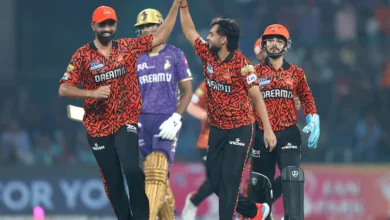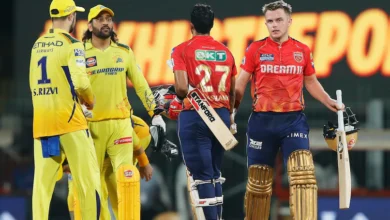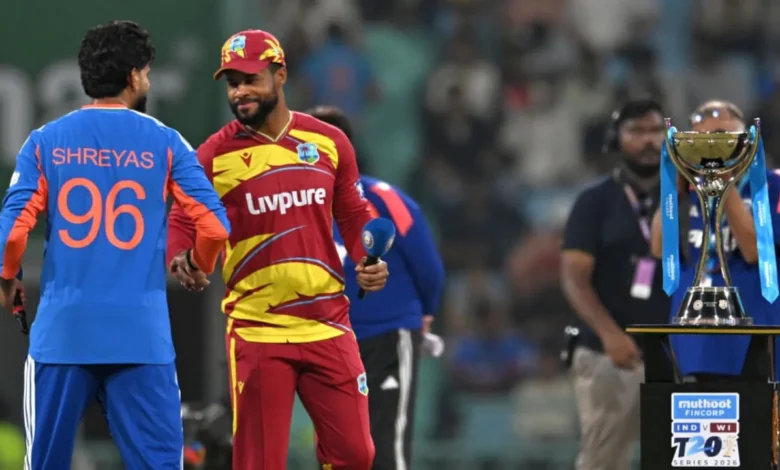
The rivalry between India and West Indies is one of the most exciting matchups in international cricket. Both teams have produced memorable performances across Test matches, One Day Internationals (ODIs), and Twenty20 Internationals (T20Is). India is known for its strong batting lineups, technically skilled players, and growing depth in fast bowling, while West Indies brings explosive power hitting, athletic fielding, and a rich history of dominant cricket performances.
Fans searching for the india national cricket team vs west indies cricket team match scorecard generally want to understand more than just the final result. They look for individual batting scores, bowling figures, partnerships, fall of wickets, extras, and the turning points that influenced the match. A detailed scorecard provides a clear picture of how both teams performed and why one side gained the advantage. Since the two teams compete in different formats and tournaments, the exact scorecard depends on the particular match being discussed.
This article explains how to read the scorecard, compare team performances, assess key players, and understand the tactical factors that shape India versus West Indies encounters.
Latest India vs West Indies Match Scorecard
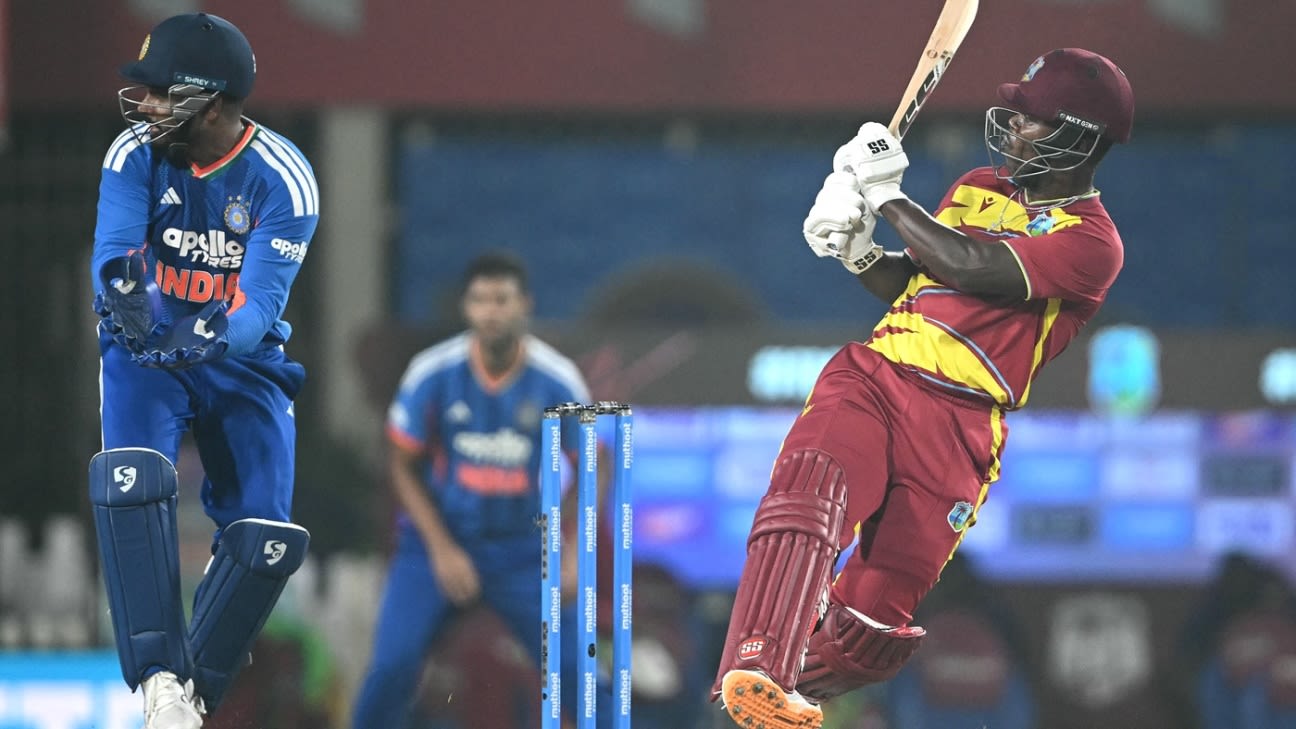
The fourth T20 International between India and West Indies on 14 October 2026 delivered a high-scoring contest in Hyderabad. West Indies won by 24 runs after posting 247/3 in 20 overs, while India finished on 223/9 in 19.3 overs. The result brought the five-match T20I series level at 2–2, setting up a decisive final match.
Shai Hope led the West Indies batting effort with an unbeaten century, while Keemo Paul produced a match-winning bowling performance. India showed impressive intent during the chase, but regular wickets prevented the home team from completing the run chase.
Match Summary Table
| Match detail | Information |
|---|---|
| Match | India vs West Indies, 4th T20I |
| Date | 14 October 2026 |
| Venue | Rajiv Gandhi International Stadium, Hyderabad |
| West Indies score | 247/3 in 20 overs |
| India score | 223/9 in 19.3 overs |
| Match result | West Indies won by 24 runs |
| Player of the Match | Shai Hope |
| Toss | India elected to field |
| Series position | 2–2 after four matches |
Match information: official BCCI and ICC reports.
West Indies Batting Performance
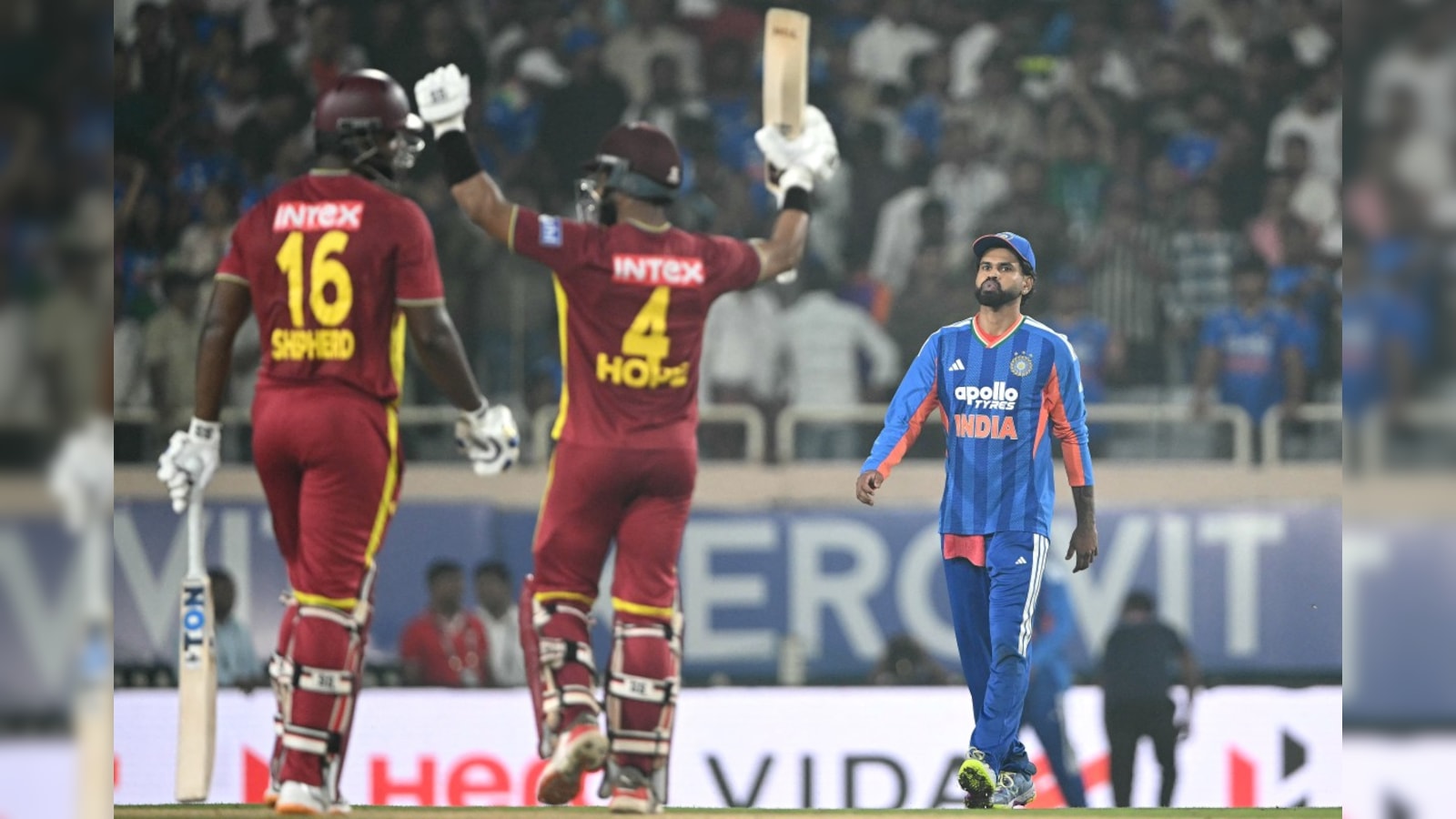
West Indies established a commanding position through aggressive batting and strong partnerships. Captain Shai Hope played the leading role, remaining unbeaten on 102 from 50 deliveries. His innings combined timing, placement, and powerful hitting, allowing the visitors to maintain a high scoring rate throughout the innings.
Hope’s century was especially important because it prevented India from controlling the game during the middle overs. Rather than allowing the scoring rate to slow, West Indies continued to attack the bowling and found boundaries at regular intervals. Sherfane Rutherford supported the captain with an unbeaten 49 from 26 balls, helping the team finish with a formidable total.
Shimron Hetmyer and Rovman Powell also contributed useful runs, ensuring that West Indies maintained momentum even when India managed to take wickets. The visitors’ final total of 247/3 gave their bowlers a substantial target to defend.
West Indies Batting Scorecard
| Batter | Runs | Status |
|---|---|---|
| Shai Hope | 102* | Not out |
| Sherfane Rutherford | 49* | Not out |
| Shimron Hetmyer | 33 | Out |
| Rovman Powell | 24 | Out |
| West Indies total | 247/3 | 20 overs |
This is a highlights scorecard, not the complete individual batting card. Figures are taken from published match reporting.
India’s Batting Performance
India began the chase with attacking intent, knowing that a target of 248 required a sustained scoring rate. Sanju Samson provided an explosive start, scoring 56 from just 23 balls. His aggressive stroke play briefly gave India hope of achieving the target, as the opening phase produced rapid runs and put pressure on the West Indies bowlers.
However, the momentum changed when Samson and Ishan Kishan fell in quick succession. Kishan managed six runs, while Abhishek Sharma contributed 29. These dismissals made the chase more complicated because India needed both partnerships and a high scoring rate to remain competitive.
Tilak Varma and Nitish Kumar Reddy attempted to rebuild the innings, but West Indies continued to take crucial wickets. India’s final score of 223/9 reflected a determined chase that ultimately fell short by 24 runs.
India Batting Scorecard
| Batter | Runs | Match contribution |
|---|---|---|
| Sanju Samson | 56 | Aggressive start |
| Abhishek Sharma | 29 | Early scoring support |
| Ishan Kishan | 6 | Brief innings |
| Tilak Varma | Not specified here | Middle-order response |
| Nitish Kumar Reddy | Not specified here | Partnership attempt |
| India total | 223/9 | 19.3 overs |
Selected batting highlights only; unlisted individual figures are intentionally omitted rather than estimated.
Bowling Analysis: Keemo Paul Changes the Game
Keemo Paul was the standout bowler for West Indies, finishing with figures of 5/41. His performance was central to the victory because India had started the chase with enough momentum to threaten the target. By taking wickets at important moments, Paul prevented the Indian batting lineup from building the long partnerships required for a successful chase.
Gudakesh Motie also played a valuable role, dismissing Abhishek Sharma and Naman Dhir in consecutive deliveries. These wickets disrupted India’s middle order and increased the pressure on the remaining batters.
India’s bowlers, by comparison, struggled to contain the West Indies scoring rate. The visitors took advantage of scoring opportunities and finished with 247 runs on the board. For India, the key lessons were the importance of controlling the death overs, limiting extras, and improving execution against powerful hitters.
Key Turning Points in the Match
Several moments shaped the outcome of this contest:
-
Shai Hope’s unbeaten century: His 102 from 50 balls provided the foundation for West Indies’ imposing total.
-
Rutherford’s finishing contribution: His unbeaten 49 helped West Indies accelerate late in the innings.
-
Samson’s rapid fifty: His 56 from 23 balls gave India an encouraging start to the chase.
-
Keemo Paul’s five-wicket haul: His 5/41 dismantled India’s batting momentum.
-
Middle-order wickets: The dismissals of key Indian batters prevented the hosts from sustaining the required scoring rate.
These moments demonstrate how T20 cricket often depends on a handful of decisive overs. Even when one side begins strongly, an effective bowling spell or a late batting surge can change the result.
Head-to-Head Rivalry Between India and West Indies
India and West Indies have a long international cricket history spanning multiple generations. Their contests have featured contrasting approaches: India’s emphasis on batting depth, tactical flexibility, and spin options often meets West Indies’ natural power hitting and aggressive pace bowling.
In Test cricket, matches typically reward patience, endurance, and the ability to adapt to changing pitch conditions. ODI encounters require teams to balance innings construction with acceleration, while T20 matches demand quick decision-making and precise execution under pressure.
The india national cricket team vs west indies cricket team match scorecard is therefore useful for comparing performances across formats, but the format and match date should always be specified. A scorecard from a Test match cannot be directly compared with a T20I without considering the different scoring conditions, innings structure, and strategic demands.
Test, ODI and T20I Scorecard Differences
| Feature | Test cricket | ODI cricket | T20I cricket |
|---|---|---|---|
| Overs | No fixed innings limit | 50 per innings | 20 per innings |
| Batting approach | Patience and accumulation | Balanced scoring | Aggressive scoring |
| Bowling focus | Wickets and sustained pressure | Control and breakthroughs | Economy and timely wickets |
| Important statistics | Average, wickets, partnerships | Strike rate, run rate, wickets | Strike rate, boundaries, economy |
| Typical match duration | Up to five days | One day | Around three hours |
Understanding these differences makes it easier to interpret individual performances. A batter scoring 50 in a Test may have played a very different role from a batter scoring 50 in a T20I. Likewise, a bowler’s economy rate must be judged according to the format and the conditions.
Players to Watch in India vs West Indies Matches
Shai Hope
Hope’s recent performances demonstrate the value of combining composure with aggressive stroke play. His unbeaten century in Hyderabad showed that a top-order batter can control an innings while maintaining the scoring rate required in T20 cricket.
Sanju Samson
Samson’s quickfire 56 illustrated his ability to put pressure on bowlers early. India can benefit from this attacking approach, provided the remaining batters convert a strong start into a competitive chase.
Keemo Paul
Paul’s five-wicket performance highlighted the importance of taking wickets rather than merely containing runs. His spell changed the direction of the match and showed how disciplined bowling can overcome an opponent’s early momentum.
Sherfane Rutherford
Rutherford’s unbeaten 49 demonstrated his value as a finisher. His ability to score rapidly alongside Hope helped West Indies reach a total that gave the bowling attack room to attack.
What the Scorecard Reveals About Team Strategy
A scorecard provides more than a record of runs and wickets. It helps explain how teams approach different phases of a match. India’s chase showed the value of a fast start, but it also demonstrated the risks of losing several wickets before the middle order could establish itself.
West Indies, meanwhile, benefited from a strong top-order innings and an effective bowling response. Hope’s century gave the team a substantial total, while Paul and Motie ensured that India could not recover after losing key batters.
For coaches, analysts, and cricket fans, useful statistics include partnerships, runs scored in the powerplay, wickets lost in the middle overs, death-over scoring, extras, and bowling economy. Together, these indicators provide a fuller understanding of why a team won or lost.
How to Read a Cricket Match Scorecard
When examining a scorecard, begin with the final result and each team’s total. Next, review individual batting performances, including runs, balls faced, boundaries, and strike rates. These figures reveal whether a batter anchored the innings or accelerated the scoring.
Then examine the bowling figures. Overs bowled, runs conceded, wickets taken, and economy rate show which bowlers controlled the game. Extras such as wides and no-balls can also influence a close contest.
Finally, look at partnerships and the fall of wickets. A team may have a high total but still experience a middle-order collapse, while another team might win through a steady chase rather than explosive individual performances. Reading these details together provides a balanced understanding of the contest.
Conclusion
The latest India versus West Indies T20I in Hyderabad delivered a high-scoring match filled with individual brilliance and decisive bowling. West Indies scored 247/3, powered by Shai Hope’s unbeaten 102, before Keemo Paul’s five-wicket haul helped restrict India to 223/9. The 24-run victory levelled the series at 2–2 and highlighted the importance of partnerships, disciplined bowling, and execution under pressure.
For fans searching for the india national cricket team vs west indies cricket team match scorecard, this match offers a clear example of how strong batting and timely wickets can determine a T20 result. Reviewing the scorecard alongside the match’s turning points provides a deeper understanding of both teams’ strengths, weaknesses, and tactical decisions.