India National Cricket Team vs. Pakistan National Cricket Team Match Scorecard: A Guide to Reading the Numbers

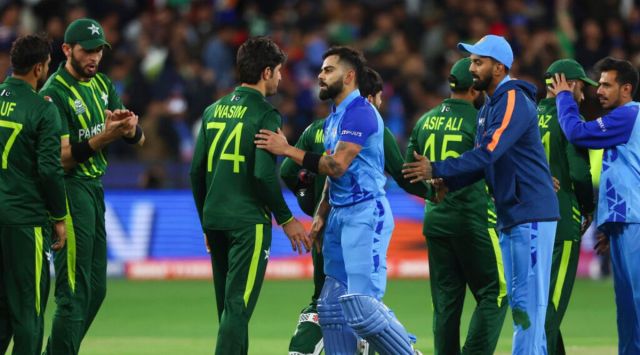
India and Pakistan should be enough to whet the appetites of cricket fans. One over can change the atmosphere of the whole room, and by the time the last wicket falls, everyone wants to know the same thing: Who won, and how did the match actually go?
That is why the India National Cricket Team vs Pakistan National Cricket Team Match Scorecard is such an important tool. The scorecard is more than the bottom line. It tells the story through runs, wickets, overs, partnerships, bowling figures, and individual performances. For fans who missed the action, this is often the quickest way to get caught up on what happened.
Why the India-Pakistan Scorecard Is More Important Than the Final Score
The scorecard will tell you one side won and one side lost, but that’s not quite how cricket works. A team with one great hitter can lose, while the other team can win with several players contributing small but valuable performances.
When you’re looking for the scorecard of an India National Cricket Team versus Pakistan National Cricket Team match, start with the basics. Check the venue, innings, total runs, wickets lost, and number of overs played. These numbers tell you right away whether the game was a high-scoring battle, a low-scoring contest, or a match where one side took control from the beginning.
A score of 180/6 in a T20 is a very different story from 180/9, for example. The number of wickets matters because it gives you a fair idea of the pressure the batting side faced.
Chasing is the same. If a side crosses the line with a few overs to spare, the scorecard can indicate whether the chase was comfortable or whether the innings was rescued by a late partnership.
Batting Statistics That Are Worth a Second Look
Of course, the first thing most fans will look for is the top scorer. Fair enough, but batting numbers are more than just the headline figure.
A scorecard typically shows runs scored, balls faced, boundaries hit, strike rate, and how the batsman was dismissed. Put those numbers together and you get a much more accurate picture of what a batter contributed.
A player who gets 65 from 38 balls has played a very different innings from one who gets 65 from 90 balls. The first would have helped set up a limited-overs game, while the second would have helped build an innings patiently.
When you look at the scorecard of an India National Cricket Team vs Pakistan National Cricket Team match, check the partnerships too. Cricket can change very quickly when two batsmen stay together for 50 or 60 runs.
A useful snapshot of batting includes:
- Runs: The player’s direct contribution.
- Balls faced: Helps explain the speed of those runs.
- Strike rate: Especially useful in T20 and ODI cricket.
- Fours and sixes: Gives an idea of how aggressively the batsman scored.
- Dismissal: Explains how and when the innings ended.
In fact, the best batter isn’t necessarily the guy who made the biggest difference. Sometimes a quick 25 during a difficult chase is worth more than a slow fifty.
Bowling Figures Can Reveal the Turning Point
Batting is popular, but the bowlers’ statistics often tell you where a game was won or lost.
Bowling analysis generally consists of overs, maidens, runs conceded, and wickets. Economy rate is important in limited-overs cricket too because restricting runs can create pressure without requiring frequent wickets.
Imagine Pakistan loses early wickets but then builds a good partnership. Breaking that stand with a disciplined spell can completely change the momentum. The scorecard can tell you which bowler made that intervention.
How well a bowler controlled the ball can also be seen from the India National Cricket Team vs Pakistan National Cricket Team match scorecard. If two bowlers have taken two wickets each, giving away 25 runs in four overs is a completely different performance from giving away 45.
Look at the overs in which wickets fell. Then match those moments with the runs being scored. That little bit of context can often tell you more than the final bowling table.
Partnerships, Extras and Overs Tell the Hidden Story
One thing many casual viewers don’t realise is that extras can be really important in a close game.
Wides, no-balls, byes, and leg-byes all count towards the team total, but they don’t come directly from a batter’s scoring shots. In a tight India-Pakistan tussle, a few unnecessary extras can matter a lot.
Similar attention should go to partnerships. If the scorecard tells you that two players together scored the majority of the team’s runs, you’ve found a key part of the match story.
The overs also provide an explanation for momentum. A team can score 35 runs in the first six overs, pick up the pace in the middle, and then lose wickets towards the end. Another side can start slowly and finish strongly.
When you check an India National Cricket Team vs Pakistan National Cricket Team match scorecard, look at these phases instead of focusing only on the final total. It makes the game much easier to follow.
How Fans Can Read the Scorecard Quickly
You don’t have to learn every number to understand a cricket scorecard. A short routine works well, especially when you’re checking the result on your phone after missing the match.
Start with the final scores and work out who batted first. Then check the top three run-scorers from each team. After that, look at the wicket-taking bowlers and how many runs they conceded.
Next, consider the key partnership and extras. Finally, note the result and margin.
For a quick summary of the match, check:
- Team totals and wickets
- Top individual scores
- Best bowling figures
- Important partnerships
- Run rate and extras
- Margin of victory
Usually, that’s enough to understand the main story without getting lost in every delivery.
Why Every Number in This Rivalry Is Interesting
India and Pakistan matches carry a different kind of pressure. The crowd knows it, and a short spell of good bowling or a belligerent partnership can dominate post-match discussions.
The scorecard for the India National Cricket Team vs Pakistan National Cricket Team match gives fans a way to move beyond the emotion and look at the facts. A big name might attract attention, but the numbers can tell a different story.
Perhaps a lower-order batsman chipped in with 30 crucial runs. Maybe a spinner bowled an extremely economical spell during the middle overs. One missed opportunity won’t appear in the traditional statistical scorecard either, but it can make a huge difference.
That’s why experienced cricket observers often run their eyes over the figures before deciding who actually played the better game. The scorecard isn’t exhaustive, but it does provide the framework.
Final Thoughts on Reading an India vs Pakistan Scorecard
A good cricket scorecard is almost like a small report of the match. You can see who scored the runs, who struggled, who applied the pressure, and where the game turned.
This is why the India National Cricket Team vs Pakistan National Cricket Team Match Scorecard is so useful. In contests like these, every small contribution can count. Don’t just look at the winning team’s total. Spend a minute checking partnerships, strike rates, bowling economy, wickets, and extras.
The fact is, you don’t win cricket matches on one number. A disciplined bowling spell, a quick cameo, or a partnership that quietly builds pressure can be the difference between winning and losing a chase.
Once you become familiar with those details, a scorecard becomes a lot more interesting.
And with India and Pakistan involved, you’ll probably want to double-check every number anyway.