IPL 2026: Complete Guide to Teams, Schedule, Points Table and Matches

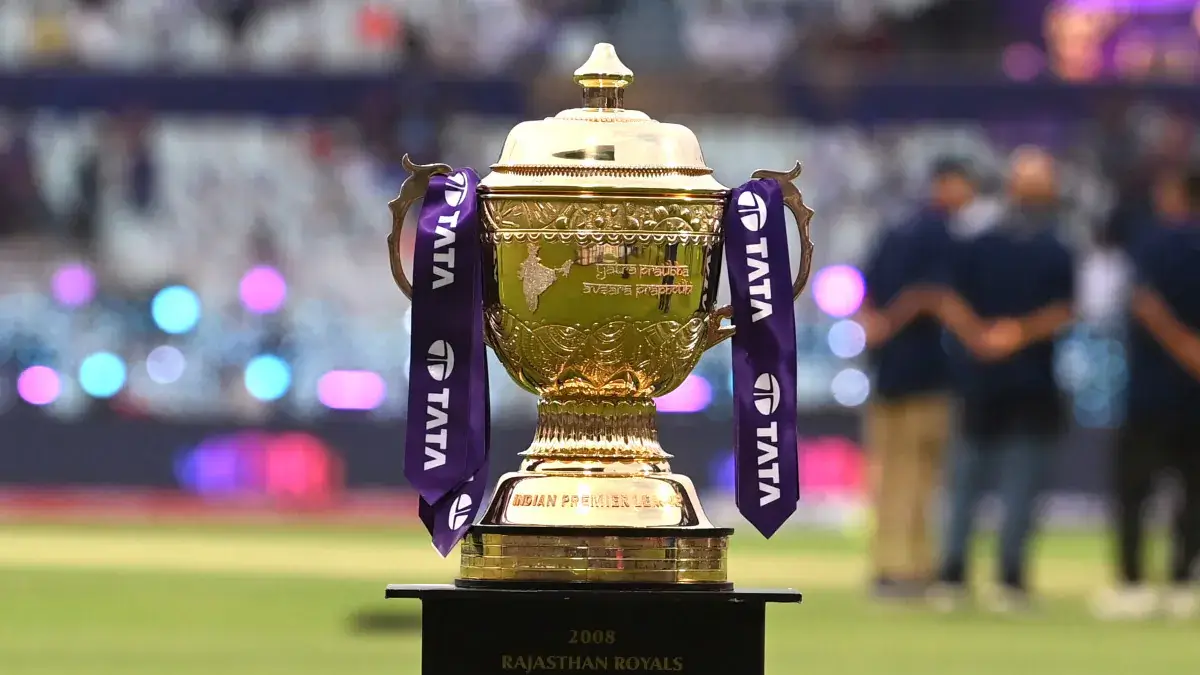
The Indian Premier League remains one of the most exciting cricket tournaments in the world, bringing together international stars, emerging Indian players, passionate supporters, and intense franchise rivalries. Every season creates new stories, from unexpected victories and record-breaking batting performances to thrilling final overs that can change the result of a match. The tournament also provides a platform for young cricketers to demonstrate their abilities alongside some of the most experienced names in international cricket.
For fans following ipl 2026, the season offers another opportunity to explore team performances, individual statistics, match results, and the changing competition for playoff places. Every game can influence the standings, making consistency and pressure management important throughout the competition. A team that starts strongly may establish an early advantage, while a side struggling in the opening matches can still rebuild its campaign through strategic changes and consecutive wins.
Understanding the tournament requires more than checking the final scores. Supporters often want to know how the teams are performing, which players are making a difference, how the points system works, and what determines qualification for the playoffs. These details make following the competition more interesting because they explain why particular matches matter and how one result can influence the wider championship race.
IPL 2026 Tournament Format and Schedule
The 2026 season followed the familiar T20 format, with ten franchises competing in a 74-match tournament that began on March 28 and concluded on May 31. The competition included the league stage and playoffs, allowing teams to build their positions over several weeks before the championship was decided. Each league match carried significant importance because victories contributed points, while defeats could weaken a team’s chances of finishing among the leading sides. The combination of home and away fixtures also tested squad depth, travel management, and the ability to adapt to different playing conditions.
The season is now complete, so supporters can look back at the confirmed results rather than relying on provisional fixtures or predicted match dates. The final stages featured Royal Challengers Bengaluru, Gujarat Titans, Sunrisers Hyderabad, and Rajasthan Royals, who secured the four playoff positions. For readers reviewing the tournament, the most useful approach is to examine the completed schedule alongside the standings and knockout results. This provides a clearer picture of how the league developed and which teams performed consistently enough to reach the decisive matches.
Teams Participating in IPL 2026
The ten franchises brought different strengths, playing styles, and expectations into the competition. Established teams such as Chennai Super Kings and Mumbai Indians entered the season with considerable attention from supporters, while franchises including Gujarat Titans and Rajasthan Royals looked to turn their squad combinations into consistent results. Royal Challengers Bengaluru also attracted significant interest as the defending champions. Across the tournament, the balance between experienced international players and emerging Indian talent remained one of the defining features of franchise cricket.
Every team needed an effective combination of opening batters, middle-order finishers, all-rounders, specialist bowlers, and dependable fielders. A franchise might have powerful batters but struggle if its bowling attack conceded too many runs during the final overs. Similarly, a team with excellent fast bowlers could find victories difficult to secure if its middle order regularly lost wickets under pressure. The strongest campaigns therefore depended on more than individual star power; successful teams needed players to contribute in different situations throughout the season.
The ten participating franchises were Royal Challengers Bengaluru, Chennai Super Kings, Mumbai Indians, Kolkata Knight Riders, Rajasthan Royals, Sunrisers Hyderabad, Delhi Capitals, Punjab Kings, Gujarat Titans, and Lucknow Super Giants. Each team had opportunities to influence the standings, although their final positions reflected significant differences in consistency, match execution, and results across the league stage.
IPL 2026 Points Table and Final Standings
The points table is one of the most useful tools for understanding the competition because it shows how each franchise performed across its league matches. Wins, losses, abandoned games, total points, and net run rate collectively help explain a team’s position. In a closely contested season, two or more franchises may finish with identical points, making net run rate an important factor in determining the final order.
The completed league-stage standings placed Royal Challengers Bengaluru at the top with 18 points, followed by Gujarat Titans and Sunrisers Hyderabad, who also collected 18 points. Rajasthan Royals secured fourth place with 16 points. Punjab Kings finished just outside the playoff positions despite earning 15 points, illustrating how a narrow gap in the standings can separate a successful qualification campaign from an early exit.
| Position | Team | Played | Wins | Points | Net run rate |
|---|---|---|---|---|---|
| 1 | Royal Challengers Bengaluru | 14 | 9 | 18 | +0.783 |
| 2 | Gujarat Titans | 14 | 9 | 18 | +0.695 |
| 3 | Sunrisers Hyderabad | 14 | 9 | 18 | +0.524 |
| 4 | Rajasthan Royals | 14 | 8 | 16 | +0.189 |
| 5 | Punjab Kings | 14 | 7 | 15 | +0.309 |
| 6 | Delhi Capitals | 14 | 7 | 14 | -0.651 |
| 7 | Kolkata Knight Riders | 14 | 6 | 13 | -0.147 |
| 8 | Chennai Super Kings | 14 | 6 | 12 | -0.345 |
| 9 | Mumbai Indians | 14 | 4 | 8 | -0.584 |
| 10 | Lucknow Super Giants | 14 | 4 | 8 | -0.740 |
Final league-stage standings. Teams with the same points are separated by net run rate.
These results demonstrate why points alone do not tell the complete story. Royal Challengers Bengaluru, Gujarat Titans, and Sunrisers Hyderabad all finished with nine victories, but Bengaluru secured first place through the strongest net run rate among the three. Rajasthan Royals also benefited from a positive run rate, while Punjab Kings’ position showed that earning more points than some competitors does not automatically guarantee a playoff place. The table provides a useful starting point for evaluating team performance, but individual match results explain how those positions developed.
How the Points System Works
The league standings are calculated using a straightforward points system. A team generally receives two points for a victory, no points for a defeat, and one point each when a match ends without a result. The precise circumstances of a match can vary, particularly when rain interrupts play, but the basic system rewards winning consistently across the league stage.
Net run rate becomes especially important when teams finish with the same number of points. It measures the difference between a team’s scoring rate and its opponents’ scoring rate across qualifying matches, subject to the competition’s calculation rules. For example, a side that wins several games by comfortable margins may build a stronger net run rate than another side with the same number of victories but narrower wins. This is why teams sometimes continue attacking even when a victory appears secure: the margin can affect their position later.
The Four Teams That Qualified for the Playoffs
The playoff stage brings a different kind of pressure because one poor performance can have a much greater impact than it would during the league phase. The leading teams must balance aggressive cricket with sensible decision-making, particularly when choosing whether to bat or bowl first, setting a target, or defending a total in the final overs.

The four qualified franchises in 2026 were Royal Challengers Bengaluru, Gujarat Titans, Sunrisers Hyderabad, and Rajasthan Royals. Bengaluru earned a direct route to the final through its performance in Qualifier 1, while Gujarat Titans kept their campaign alive by advancing through Qualifier 2. Rajasthan Royals won the Eliminator against Sunrisers Hyderabad to continue their challenge for the title.
Royal Challengers Bengaluru
Royal Challengers Bengaluru finished the league stage in first place and carried that momentum into the knockout matches. Their strong net run rate reflected an effective overall campaign, and they defeated Gujarat Titans in Qualifier 1 to secure a place in the final. The team then faced Gujarat again in the championship match, where its batting performance proved decisive.
Gujarat Titans
Gujarat Titans matched Bengaluru’s nine league-stage victories and finished second because of their lower net run rate. Their campaign demonstrated the value of a balanced squad capable of producing results with both bat and ball. After losing Qualifier 1, Gujarat responded by defeating Rajasthan Royals in Qualifier 2, earning another opportunity to compete for the trophy.
Sunrisers Hyderabad
Sunrisers Hyderabad also collected 18 points and finished third in the standings. Their qualification highlighted the importance of maintaining a competitive record throughout the league stage. However, their playoff campaign ended in the Eliminator, where Rajasthan Royals scored heavily and secured a convincing victory.
Rajasthan Royals
Rajasthan Royals finished fourth after winning eight of their 14 league matches. Their route to the final required an additional knockout victory, making consistency and recovery particularly important. They eliminated Sunrisers Hyderabad before losing to Gujarat Titans in Qualifier 2, ending their title challenge just short of the final.
Who Won the IPL 2026 Final?
Royal Challengers Bengaluru won the IPL 2026 championship by defeating Gujarat Titans by five wickets in the final on May 31. Gujarat Titans scored 155 for eight, and Bengaluru successfully chased the target, finishing on 161 for five. The result capped an impressive season for Bengaluru, which converted its strong league-stage performance into a championship victory.
The final also illustrated how quickly the momentum of a T20 match can change. A competitive total creates pressure on the chasing side, but partnerships, calculated aggression, and the preservation of wickets can make the difference. For Bengaluru, completing the chase successfully meant that its season ended with the ultimate reward rather than merely a strong league position. Gujarat, meanwhile, had reached the final after winning Qualifier 2, but could not prevent Bengaluru from claiming the trophy.
Top Performers and Individual Records
Individual performances are an important part of the tournament’s appeal. Batters are judged not only by their total runs but also by their strike rates, consistency, ability to handle difficult bowling, and contribution during crucial matches. Bowlers face a different challenge: they must take wickets, control scoring rates, and remain effective when opponents attack aggressively during the powerplay or final overs.
The 2026 season produced several outstanding statistical performances. Vaibhav Sooryavanshi led the run-scoring charts with 776 runs, while Gujarat Titans batter Shubman Gill finished with 732 runs and Sai Sudharsan accumulated 722. Among bowlers, Kagiso Rabada topped the wicket-taking standings with 29 wickets, followed by Bhuvneshwar Kumar with 28 and Jofra Archer with 25. These achievements highlight the influence that consistent individual contributions can have across a demanding franchise season.
Orange Cap and Purple Cap
The Orange Cap recognises the leading run-scorer of the season, while the Purple Cap is awarded to the highest wicket-taker. Both honours offer a simple way to track individual excellence, although the statistics behind them tell different stories. A batter may dominate through long innings and consistent scoring, while a bowler may create an impact through early breakthroughs, effective variations, and disciplined death bowling.
In 2026, Sooryavanshi’s 776 runs made him the leading run-scorer, while Rabada’s 29 wickets placed him at the top of the bowling charts. Such performances can influence team results well beyond the players’ personal awards. A batter who regularly provides a fast start gives the middle order more freedom, while a bowler who takes wickets consistently can disrupt an opponent’s plans and reduce the pressure on the rest of the attack.
What Made the Season Competitive?
Several factors shaped the competition, including batting depth, bowling combinations, captaincy decisions, player availability, and the ability to respond after a defeat. Teams often need to change their approach depending on the pitch, the opposition’s strengths, and the match situation. A slow surface may reward spin bowling and patient batting, whereas a pitch offering pace and bounce can favour aggressive stroke play and fast bowlers who use variations effectively.

Another important factor was net run rate. Teams competing for limited playoff positions could not focus solely on winning; the manner of victory also mattered when points were tied. This added a strategic dimension to the league stage. Captains needed to recognise when to accelerate, when to protect wickets, and how to manage their bowling resources. These small decisions can determine whether a team finishes among the qualifiers or misses out despite a respectable points total.
How Fans Can Analyse Match Results
Following ipl 2026 becomes more rewarding when supporters look beyond the final score. A successful chase, for example, might reflect a strong opening partnership, careful management of the required run rate, or an effective finish from the lower middle order. A large first-innings total may demonstrate batting dominance, but it can also expose weaknesses in the opposition’s bowling attack or reflect favourable pitch conditions.
When reviewing completed matches, consider these important factors:
-
Batting performance: Examine partnerships, boundaries, strike rates, and wickets lost during key overs.
-
Bowling effectiveness: Consider wickets taken, economy rates, and performances during the powerplay and death overs.
-
Fielding standards: Dropped catches, missed run-out opportunities, and misfields can change close contests.
-
Match strategy: Evaluate the toss decision, bowling changes, batting order, and timing of tactical adjustments.
These details provide a fuller understanding of the result and help explain why a team won or lost. They are also useful when comparing players across different venues, where pitch conditions and match situations can make raw statistics less straightforward.
Conclusion
The 2026 Indian Premier League season delivered a complete championship story, from the early league-stage competition to the pressure of the playoffs and the final showdown. Royal Challengers Bengaluru finished first in the league standings, qualified directly for the final by winning Qualifier 1, and eventually defeated Gujarat Titans to lift the trophy. Gujarat, Sunrisers Hyderabad, and Rajasthan Royals also made the playoffs, while the remaining franchises ended their campaigns outside the top four.
For cricket enthusiasts, ipl 2026 offers plenty to examine through its final standings, memorable performances, tactical decisions, and individual records. The season reinforced the importance of consistency, squad balance, and execution under pressure. Whether readers are interested in team rankings, player statistics, championship results, or the wider story of the tournament, reviewing the completed season provides a clear picture of how the competition unfolded and why the smallest details can make a substantial difference in T20 cricket.