IPL: A Complete Guide to Indian Premier League Cricket, Teams and T20 Action

The Indian Premier League has transformed cricket into a fast-paced sporting spectacle that combines international talent, emerging Indian players, franchise rivalries and high-pressure T20 competition. Since its launch in 2008, the tournament has attracted enormous attention from cricket fans who enjoy explosive batting, strategic bowling changes, dramatic finishes and memorable individual performances. Its format allows matches to deliver plenty of action within a relatively short period, making it appealing to both traditional cricket followers and younger audiences.
One of the defining features of the IPL is the way it brings players from different cricketing backgrounds together. International stars compete alongside domestic talent, giving relatively unknown Indian cricketers opportunities to perform on a major stage. At the same time, experienced players must adapt to changing conditions, different opponents and demanding schedules. This combination creates unpredictable contests in which tactical decisions, individual skill and teamwork can influence the result.
The competition has also become an important part of India’s sporting and entertainment calendar. Franchise identities, passionate supporters, stadium atmospheres and discussions about team combinations keep interest alive throughout the season. Understanding its structure, history, auction system and playing strategies helps fans appreciate why the tournament remains such an influential part of modern cricket.
History and Evolution of the Tournament
The tournament began in 2008 under the administration of the Board of Control for Cricket in India. Its franchise-based structure introduced a different approach to professional cricket, bringing together city-based teams, player auctions, commercial partnerships and a short, competitive match format. Rather than relying exclusively on traditional regional or national team structures, franchises could build squads by selecting Indian and overseas players within tournament regulations. This model created new rivalries and encouraged supporters to develop strong connections with their chosen teams.
Over the years, the competition has expanded its influence through improved broadcasting, digital coverage, international participation and the development of young talent. Established stars have attracted viewers, while emerging players have used their performances to gain recognition and opportunities in other formats of the game. The tournament has also influenced how teams analyse player statistics, prepare for opponents and manage resources during a season. Its development demonstrates how a sporting event can evolve into a major entertainment property without losing the central excitement of cricket.
How the IPL Format Works
The tournament uses the Twenty20 format, in which each team generally faces a maximum of 20 overs while batting. An over consists of six legal deliveries, meaning a team can face up to 120 legal balls in its innings. The side scoring more runs wins, subject to the rules governing tied matches, weather interruptions and other exceptional circumstances. Because the innings are relatively short, teams must make decisions quickly, and a handful of deliveries can dramatically change the direction of a match.
The league stage determines which franchises progress to the playoffs. Teams earn points through their results, while net run rate can become important when sides finish level on points. Net run rate reflects the difference between a team’s scoring rate and the scoring rate of its opponents across the relevant matches. It rewards consistent performance and can make the final overs of a seemingly one-sided game meaningful. The playoff structure then gives the leading teams another opportunity to compete for the championship, making qualification position an important objective throughout the season.
Understanding the Main Competition Stages
| Stage | Purpose |
|---|---|
| League stage | Teams compete to collect points and improve their standings. |
| Qualifier 1 | The top two teams compete for a direct place in the final. |
| Eliminator | The third- and fourth-placed teams compete to remain in contention. |
| Qualifier 2 | The remaining finalist’s place is decided between the relevant playoff winners and loser. |
| Final | The two surviving teams compete for the championship. |
This format creates a balance between sustained performance and knockout pressure. A franchise needs to win enough league matches to reach the playoffs, but its earlier achievements do not guarantee the trophy. Teams that finish near the top receive a valuable opportunity through the qualifier system, while those entering through the eliminator must handle additional pressure. As a result, maintaining consistency across the season is just as important as producing exceptional performances at the end.
Teams and Their Unique Identities
The league features ten established franchises: Chennai Super Kings, Mumbai Indians, Royal Challengers Bengaluru, Kolkata Knight Riders, Rajasthan Royals, Sunrisers Hyderabad, Delhi Capitals, Punjab Kings, Gujarat Titans and Lucknow Super Giants. Each team has its own colours, fan traditions, home venue and playing identity. Some are strongly associated with experienced international stars, while others have built reputations around aggressive batting, disciplined bowling or the development of young Indian players.
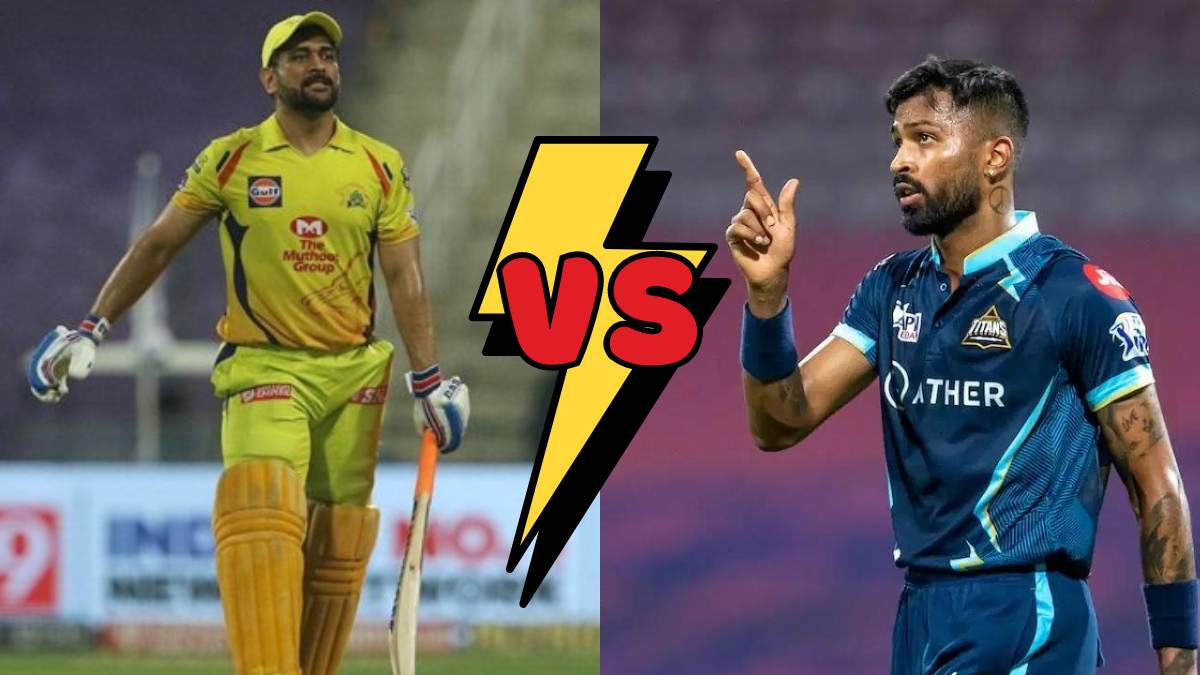
Chennai Super Kings and Mumbai Indians have historically enjoyed considerable success, creating one of the competition’s most recognisable rivalries. Royal Challengers Bengaluru have also developed a large following, with their championship successes adding a significant chapter to their history. Newer franchises, including Gujarat Titans and Lucknow Super Giants, have introduced fresh rivalries and different squad-building approaches. However, historical achievements do not automatically determine future results. Team combinations, injuries, player availability and conditions can change the balance of competition from one season to another.

Supporter loyalty plays an equally important role in creating the tournament’s atmosphere. Fans follow team announcements, debate selection decisions and celebrate standout performances throughout the season. A close contest between rivals can become a memorable event because the result carries emotional significance beyond the points table. Home crowds can create an energetic environment, although players must still execute their plans under pressure regardless of the venue.
Batting Strategies That Shape Matches
Batting in T20 cricket requires a combination of controlled aggression and situational awareness. Openers often aim to establish momentum during the powerplay, when fielding restrictions create opportunities to score boundaries. Some teams prefer technically strong batters who can build an innings, while others select aggressive players who attack from the beginning. Neither approach guarantees success; the ideal strategy depends on the pitch, bowling attack, match conditions and wickets available.
The middle overs demand a different skill set. Batters must rotate the strike, identify favourable matchups and prevent the scoring rate from slowing too much. A player who finds gaps consistently can keep the scoreboard moving even when boundaries become difficult. Later in the innings, designated finishers are expected to accelerate, particularly when the team has wickets remaining. For example, a side needing 60 runs from the final five overs may choose to target a bowler with a less effective record at the death rather than attack every delivery indiscriminately.
Strike rate, batting average and boundary frequency are useful statistics, but they should not be interpreted in isolation. A batter scoring quickly while chasing a modest target has a different responsibility from one attempting to rescue a struggling team. Match situation matters as much as raw numbers. Effective batting combines shot selection, running between the wickets, communication and an understanding of how much risk is necessary.
Bowling and Fielding: The Other Side of T20 Cricket
While big scores attract attention, successful teams also need bowlers who can control the scoring rate and take wickets at important moments. Fast bowlers may use yorkers, slower deliveries, short-pitched balls and changes of pace to disrupt a batter’s rhythm. Spinners can exploit turn, flight and variations in speed, particularly when the surface offers assistance. Choosing the correct delivery is only part of the challenge; bowlers must also anticipate how a batter is likely to respond.
The powerplay, middle overs and death overs each require different plans. During the opening overs, bowlers often look for early wickets while protecting against boundaries. In the middle phase, spin and changes of pace can restrict scoring opportunities. At the death, accurate yorkers and well-disguised slower balls become valuable because batters are usually looking to maximise every delivery. A team with a varied bowling attack can adapt to different opponents instead of relying on one method throughout the innings.
Fielding can be equally decisive. A direct hit, a difficult catch or a well-timed boundary save may change the result of a close match. Modern teams pay considerable attention to fielding positions, athleticism and coordination because even a small number of saved runs can influence the final margin. In a format where matches are often decided by narrow differences, bowling and fielding are not secondary skills; they are central elements of winning cricket.
The Importance of Player Auctions and Team Selection
Player auctions are among the most closely followed events associated with the tournament. Franchises must build balanced squads while working within budget limits and applicable player-retention rules. The challenge is not simply to purchase the most famous names; it is to identify players whose skills complement one another. A team might need an experienced opening batter, a dependable wicketkeeper, a specialist death bowler or an all-rounder who can contribute in both innings.
Successful squad planning also requires attention to availability and adaptability. Overseas players can provide international experience, but their schedules and fitness may affect their participation. Indian domestic players offer valuable depth, and their performances can become decisive during a long campaign. A franchise that invests heavily in star batters but neglects its bowling options may struggle to defend totals. Similarly, a side with excellent bowlers but insufficient batting depth may find it difficult to chase challenging targets.
Auction prices can generate considerable discussion, but a high price does not guarantee outstanding performances. Some relatively inexpensive players make a significant impact because their abilities suit particular conditions or team requirements. The most effective recruitment strategies consider role, consistency, temperament, fitness and the overall balance of the squad.
What the 2026 Season Revealed
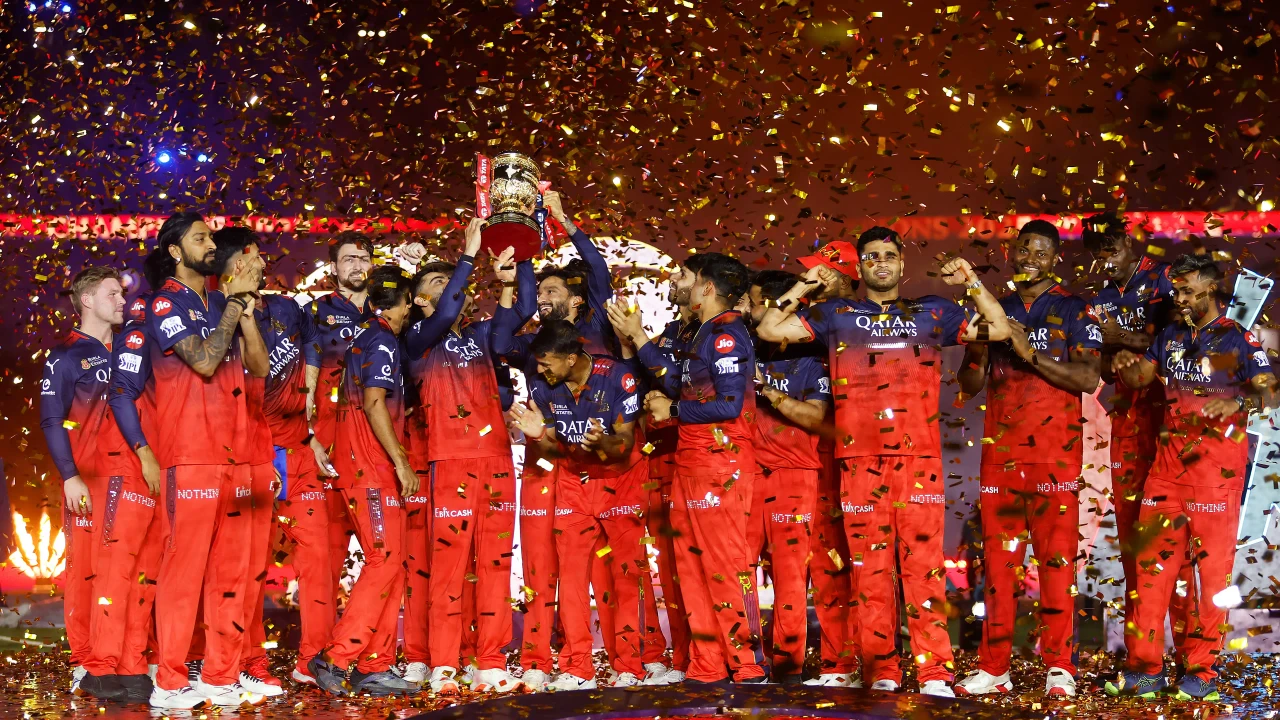
The 2026 season offered another example of how competitive and unpredictable the modern tournament can be. Royal Challengers Bengaluru defeated Gujarat Titans by five wickets in the final on 31 May 2026, successfully defending the championship they had won in 2025. The result reinforced the importance of building a squad capable of maintaining performance across multiple stages of a demanding competition.
Individual performances also attracted attention. Vaibhav Sooryavanshi finished the season with 776 runs and received major individual honours, including the Orange Cap for the leading run-scorer. Kagiso Rabada claimed the Purple Cap after taking 29 wickets. These achievements highlighted the different ways players can influence a campaign: batters create momentum and set targets, while bowlers take wickets and restrict opponents.
The season also demonstrated why team success depends on more than individual awards. Strong performances from one or two players can help a franchise win important matches, but sustained results usually require contributions from across the playing eleven. The ability to recover after defeats, adapt to unfamiliar conditions and make effective selection decisions remains crucial. For fans following the ipl, the completed 2026 campaign provides useful examples of how preparation, execution and composure can combine to produce a championship-winning season.
Technology, Statistics and Modern Cricket Analysis
Technology has become an important part of professional T20 cricket. Teams use video analysis, performance data and detailed opposition reports to understand patterns in batting and bowling. Coaches may examine where a batter scores most frequently, which deliveries trouble a particular opponent and how bowlers perform during different phases of an innings. These insights can help teams develop match plans rather than relying exclusively on instinct or reputation.

Statistics are also valuable for supporters who want to understand performances beyond the final score. Several commonly used measures provide different perspectives on the game:
-
Batting average: Indicates runs scored per dismissal and helps assess consistency.
-
Strike rate: Shows how quickly a batter scores relative to the number of balls faced.
-
Economy rate: Measures the average runs conceded per over by a bowler.
-
Net run rate: Helps separate teams level on points in the league standings.
These numbers become more meaningful when combined with context. A bowler conceding 40 runs might have performed well on a high-scoring pitch if they also took crucial wickets. Similarly, a batter’s innings of 35 runs could be highly valuable if it stabilises a struggling chase. Data supports analysis, but understanding the match situation is essential when interpreting the figures.
Fan Culture, Broadcasting and Commercial Influence
The tournament’s popularity extends beyond the boundary ropes. Supporters follow pre-match discussions, team announcements, player interviews, highlights and post-match analysis. Stadium attendance creates a lively atmosphere, while television and digital broadcasts allow people in different locations to watch matches and follow the competition. Social media has also made it easier for fans to discuss tactics, celebrate individual achievements and participate in conversations about team selections.
The commercial structure has helped the competition attract sponsors, advertisers, broadcasters and franchise partners. This investment supports professional operations and contributes to the tournament’s visibility. However, commercial growth also makes responsible management important. Scheduling, player workload, competitive fairness and the long-term development of cricket must remain significant considerations as the competition continues to evolve.
The tournament’s cultural influence can be particularly noticeable among young cricket enthusiasts. Watching talented players perform at the highest level can inspire children to practise batting, bowling and fielding. Local cricket clubs and academies may benefit from the attention given to the sport, although developing professional ability still requires regular training, patience and access to suitable coaching.
How to Follow Matches More Effectively
Fans can get more from each match by looking beyond the toss and the final result. Before a game, consider the pitch, weather conditions, team combinations and the strengths of both bowling attacks. During the first innings, assess whether the batting side is scoring at a suitable rate and whether it has enough wickets remaining for a late acceleration. During a chase, compare the required run rate with the available overs and consider which batters are still at the crease.
It is also useful to follow team standings throughout the season rather than concentrating only on individual matches. A narrow defeat may have limited consequences for a team with a strong points total, while a victory against a direct playoff rival can have a greater impact on qualification prospects. In close standings, net run rate and the remaining fixture list can become particularly important.
For people who follow the ipl regularly, a balanced approach makes the experience more rewarding. Match statistics, expert analysis and live score updates can provide useful information, but the uncertainty of sport is part of its appeal. No prediction is guaranteed, and even a highly rated team can struggle when conditions change or opponents execute their plans effectively.
Conclusion
The Indian Premier League has developed into a major force in contemporary cricket by combining the excitement of T20 matches with franchise competition, international talent and strong supporter engagement. Its appeal comes from several connected elements: explosive batting, tactical bowling, competitive auctions, emerging players, established rivalries and the pressure of playoff cricket. Each season introduces new performances and strategic lessons, ensuring that the competition continues to attract attention from different generations of fans.
The 2026 championship, secured by Royal Challengers Bengaluru against Gujarat Titans, provided another memorable chapter in the tournament’s history. Individual achievements from players such as Vaibhav Sooryavanshi and Kagiso Rabada also demonstrated the importance of specialist skill and consistent performance. Yet the broader lesson remains that championships are built through teamwork, preparation and the ability to respond to difficult situations.
As the sport continues to develop, the ipl is likely to remain an important platform for entertainment, player development and tactical innovation. Whether someone enjoys following team rivalries, analysing statistics or simply watching a dramatic final over, understanding the format and strategies behind the game makes every contest more engaging.