India National Cricket Team vs England Cricket Team Timeline – Historic Rivalry

Introduction
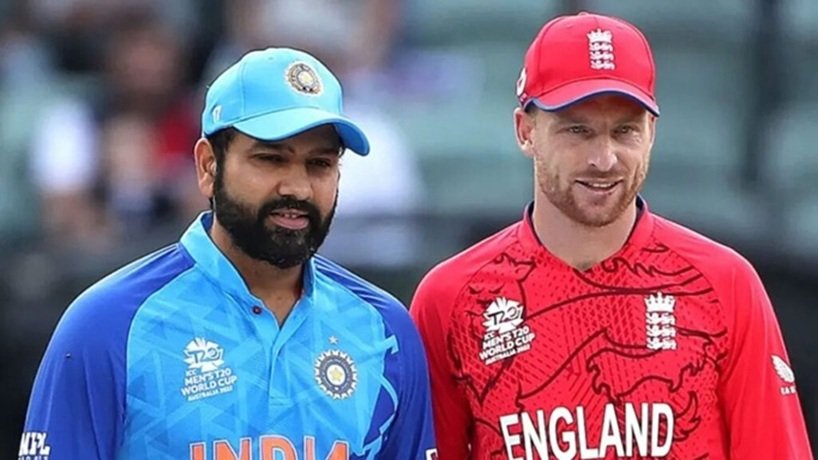
In India and England, cricket is more than just a sport; it is a legacy that has been passed down through the centuries. The India National Cricket Team vs England Cricket Team timeline takes you through colonial history, sports enthusiasm, big wins, close calls, athletic genius, and changes in the way the game is played. This in-depth article follows the rivalry from its first matches in the 1930s to the present, covering Tests, One-Day Internationals (ODIs), and Twenty20 Internationals (T20Is). It highlights important events that have influenced the cricketing identities of both countries.
We will look back at famous performances, momentous series, scandals, tactical revolutions, and how this rivalry paralleled developments in world cricket in this story. This timeline honors the long-lasting rivalry and respect between the two teams by showing new ideas and important events.
Where it came from and early meetings (1932–1950)
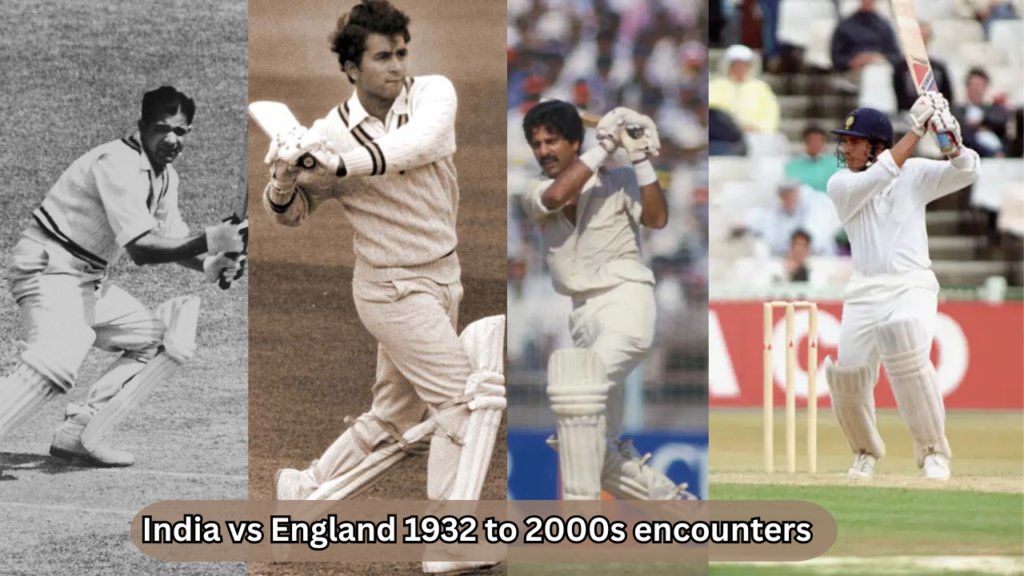
The timeline for the India National Cricket Team vs. England Cricket Team starts in the early 1900s, when India first started playing Test cricket. In 1932, England, the home of cricket, welcomed India’s first Test trip at Lord’s. India sent out a team full of energetic players, like CK Nayudu and Syed Mushtaq Ali, who were keen to make their mark.
Even though England won most of the games, India’s determination quickly won them over. The 1932 tour set the tone for future fights. England’s experienced players, such Wally Hammond and Douglas Jardine, were very different from India’s new team, which was full of fire but had only played a few games outside of India.
Important Events:
- 1932: India plays its first Test match at Lord’s. It doesn’t go well, but it’s a historic start.
- 1933–1934: India’s first home Test series; England tours and India reveals rising local talent to international cricket.
These early tests were important for India’s growth as a serious Test cricket country. The competition wasn’t really strong yet, but it set up mutual expectations and respect.
The Reawakening After the War (1950s–1960s)
After World War II, cricket came back with a bang. The India National Cricket Team vs England Cricket Team timeline in the 1950s and 1960s shows how the teams became more competitive over time.
India went to England in 1952, and England went to India in 1956 and 1959. England still won most of the Tests, but India started to create cricket stars like Vinoo Mankad, Vijay Hazare, and Polly Umrigar who could change the course of a match. at 1956, India won their first Test match against England at Madras (now Chennai). This was a historic moment in this long-standing rivalry.
The series got more even toward the end of the 1960s. Standout performances made people think that India was become more unpredictable and dangerous, even if it was still trying to find consistency. It could win big games.
The 1970s and 1980s: Spin Dominance and Growing Stature
The chronology of the India National Cricket Team vs. the England Cricket Team in the 1970s and 1980s showed how India became a strong force at home, especially with spin bowling. Bishan Singh Bedi, Erapalli Prasanna, Bhagwat Chandrasekhar, and subsequently Ravi Shastri were famous spinners who often gave English batsmen a hard time on pitches that turned.
Bob Willis and Derek Underwood were two of England’s fast bowlers who were hard to beat on good wickets. In India, matches often depended on how well players could spin the ball. In England, matches tested India’s growing batting depth.
Highlights of the series:
- 1974: England wins in India, but India fights back with all its might.
- In 1979, India won a Test match at The Oval in England, which showed they could play well in other countries.
- 1982–83: The honors are shared as India’s batters get used to the game and England’s spinners keep confusing visiting teams.
This time period made the rivalry much more interesting by adding different styles, tactical clashes, and changing fortunes.
One-Day Cricket Comes (1970s to 1990s)
Tests were the most popular form of cricket in the past, but limited-overs cricket started to change the game. The timetable for the India National Cricket Team vs. England Cricket Team grew with the addition of ODI matches.
In the early 1970s, they played their first ODI against each other. England played in the first ODI in 1971, and India joined soon after. Early ODIs weren’t as exciting as later ones, but they laid the groundwork for future thrillers.
Memorable ODI Matches:
- India wins the World Cup on home soil in 1983—this is a turning point in Indian cricket history.
- In the late 1980s, India and England’s ODIs were still competitive, with classic run chases and new strategies regularly used.
This part of the chronology shows the shift from Tests that never end to ODIs that are all about entertaining.
The 1990s—New Stars and a Fair Competition
The chronology of the India National Cricket Team vs. England Cricket Team in the 1990s shows that the rivalry was more even as cricket became more professional and global.
Indian batting greats like Sachin Tendulkar, Rahul Dravid, Sourav Ganguly, and Anil Kumble faced up against English greats like Alec Stewart, Graham Gooch, Nasser Hussain, and Darren Gough. Test matches were very competitive, and winning was not easy.
In ODIs, there were remarkable run-fests and changes in batting strategies. Both teams tried out new field placements and aggressive batting orders.
In 1996, India chased down competitive scores in England with style, showing that they could adjust to playing in other countries.
The Turning of the Millennium (2000s): Drama and Power
The India National Cricket Team vs. England Cricket Team chronology got even more intense around the start of the 21st century. Both teams changed: India’s batting became explosive, and England’s aggression became fast-paced.
Important Matches and Series:
- 2002–2003: India tours England; Rahul Dravid and Sourav Ganguly solidify their legacies.
- In 2006, India won a rare Test match at Lord’s, an event that would always be remembered in cricket.
- 2007: Steve Harmison and Matthew Hoggard lead England’s fast bowlers in a constant battle against India’s batters.
Twenty20 Internationals were also introduced around this time, which added a new level to the rivalry. The first T20 matches between India and England were exciting and full of surprises. They showed how modern cricket focuses on hitting hard and fielding well.
The 2010s: A Time of Changing Fortunes
During the 2010s, the India National Cricket Team and the England Cricket Team had a lot of ups and downs in their matches, with famous performances and changes in strategy.
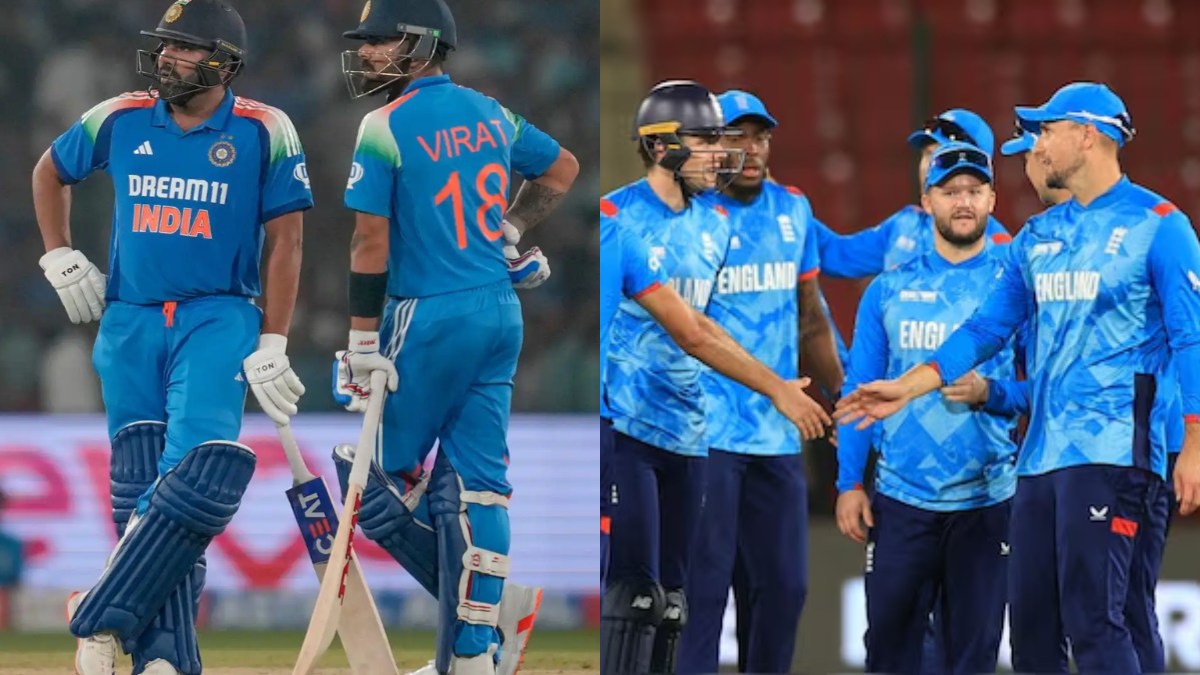
England changed how they played limited-overs cricket with new coaching ideas, which made their batting lineups very strong. India stayed strong through a golden generation, with Virat Kohli, Rohit Sharma, and MS Dhoni leading the team to steady success.
Important Events:
- 2002–2003: India tours England; Rahul Dravid and Sourav Ganguly solidify their legacies.
- 2012: England wins a dramatic Test series in India, showing how adaptable they are becoming.
- 2016–17: India wins a historic Test series in England, marking a turning point in the rivalry.
In T20Is, the games were exciting as both teams hit the ball hard. Young stars from both sides started to make their mark, which kept this rivalry as intense and unexpected as ever.
The World Cup Factor
The World Cup battles are very important parts of the India National Cricket Team vs England Cricket Team timeline. Both countries have basketball-sized fan bases and huge hopes for tournament cricket, but their World Cup matches against each other are always highly anticipated.
Famous World Cup Games:
- 1999 Cricket World Cup: England won a close match against Australia.
- 2011 Cricket World Cup: India’s winning campaign doesn’t directly involve England in the later stages, but their ODI strength is on display.
- 2019 Cricket World Cup: India and England clash in group stage — a match filled with tactical depth and high‑pressure batting.
World Cup games show how well both teams can adapt to different situations and how well they can use their strategies.
Border-Gavaskar and Beyond: Changes in Rivalry
The Border-Gavaskar Trophy with Australia was India’s most famous Test rivalry. But in recent years, the India National Cricket Team vs England Cricket Team timeline has made this rivalry just as important.
Competition has gotten tougher because of strategic improvements, video analysis, fitness programs, and high-performance coaching. The fights are no longer only between batters and bowlers; they also entail psychological warfare, technological insights, and making decisions in a split second.
Now, every ball in a match is looked at separately, and each series has its own story. The outcome is based on pressure, individual skill, and team spirit.
T20 World Cups and the White Ball’s Dominance
In the 21st century, T20 cricket changed the game forever. The India National Cricket Team vs England Cricket Team timeline has a lot of great short-format matches.
Important T20 Moments:
- 2007 T20 World Cup Meetings: One of the earliest high‑profile T20 encounters, setting pace for the format’s future.
- 2018–2020 Series: Both teams exchange thrilling wins, showcasing big hitting, spin variations, and clever captaincy decisions.
- Recent T20 World Cups: India and England meet in high‑stakes matches, often decided in dramatic final overs with electrifying finishes.
T20 matches are an emblem of modern cricket: fast, furious, strategic, and fun. These games have attracted millions of fans from all around the world and made the rivalry more popular with people who don’t usually watch it.
Modern Rivalry: the 2020s and the Next Ten Years
The India National Cricket Team vs England Cricket Team timeline shows that things have stayed the same and changed throughout time. This rivalry is still as interesting as ever since new talent is coming up on both sides.
Trends of Late:
- Test Cricket: England’s bowlers still have trouble with India’s deep hitting and mastery of spin.
- ODIs: Both nations have balanced lineups, with explosive hitting at the top of the order and disciplined bowling assaults.
- T20s: The momentum changes frequently, and the last over often decides the match.
India focuses on developing young all-rounders, whereas England spends money on powerful batsmen and flexible spinners. This makes every new series unpredictable. Coaching styles change, fitness levels rise, and analytics have a bigger and bigger impact on how teams plan for games.
Lessons and Legacy
The India National Cricket Team vs England Cricket Team timeline is more than just a list of games. It shows how cricket has changed over time, from long tests that lasted for days to fast-paced T20 matches that were finished in one night. This competition has changed:
- From England’s early supremacy to a more balanced and highly contested head-to-head table.
- From old-fashioned ways to new ideas in batting, bowling, and fielding.
- From the colonial era to the present day, there is equal treatment and respect for all athletes.
Both sides have made the sport much better by creating stars who are now famous all over the world. Cricket has a long history of legendary players, great performances, and unforgettable series.
Conclusion: A Rivalry That Will Last
The India National Cricket Team vs England Cricket Team timeline shows how cricket has stood the test of time, how it can bring countries together through rivalry, and how it can change with the times. This rivalry has always been exciting, full of strategy, and full of great sportsmanship, from the first Test at Lord’s to modern T20 thrillers and World Cup showdowns.
Fans of both countries care deeply about this rivalry, not just because of the scores, but also because of the memories, legends, and changing stories that continue to shape cricket’s global journey.
Read More:- Sunrisers Hyderabad vs Mumbai Indians Timeline – IPL History