Introduction
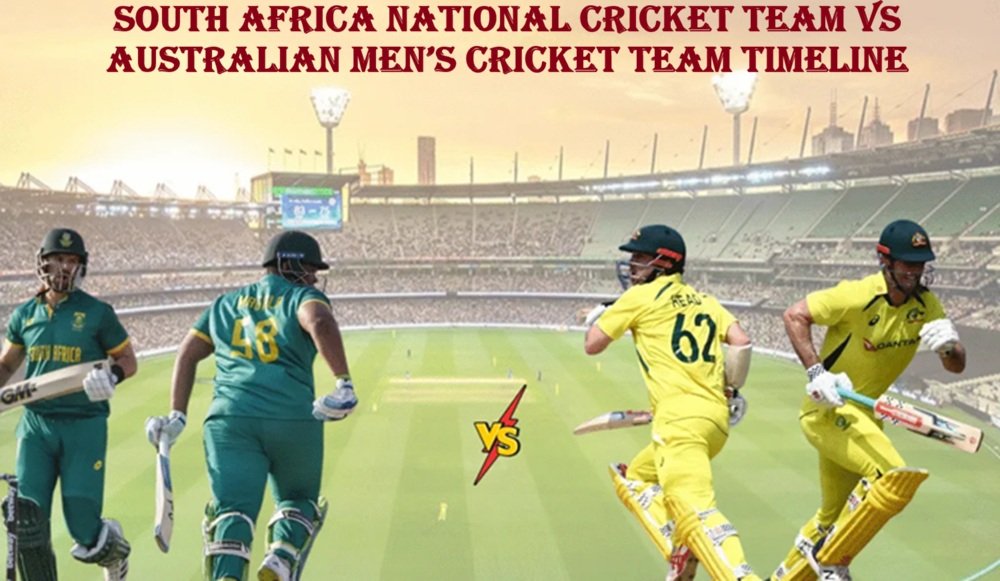
The South Africa national cricket team and the Australian men’s cricket team have one of the most fierce and renowned rivalries in world cricket. It isn’t based on how close they are to each other, but on their competitive energy, strong personalities, and common commitment to perfection. When South Africa and Australia play each other, the games are known for being great cricket, with furious clashes between bat and ball and moments that become part of cricket history.
This page gives a full and easy-to-understand timeline of the rivalry between the South African and Australian men’s cricket teams. It looks at how the rivalry started, how it changed over the years, and how changing formats like Test cricket, One Day Internationals, and T20 Internationals changed the way they competed against each other. The main points are information, clarity, and historical context, which makes it good for people who wish to learn more about this rivalry.
The Beginning of a Rivalry and Early Encounters
The first time South Africa and Australia played Test cricket against each other was in 1902, when South Africa toured Australia. At the time, cricket was still new in South Africa, but Australia was already one of the best teams in the world. Australia won most of the early encounters, but these games set the stage for a rivalry that would grow stronger over time.
Australia went to South Africa multiple times in the early 1900s, while South Africa also came to Australia. These tours were long and hard, and they often included several Test matches played over the course of several months. Australia usually had the upper hand since they were more skilled and had more experience, but South Africa showed hints of potential through great individual performances.
Australia was in charge for most of the early part of the timeframe, but it also gave South Africa a chance to see top-level international cricket. This time of learning was very important in forming South Africa’s cricketing identity.
The Rise of South African Cricket Before Isolation
South Africa got better and better at cricket from the 1920s to the 1960s. South Africa had an edge over other teams thanks to players like Dudley Nourse, Graeme Pollock, and Mike Procter. During this time, matches between South Africa and Australia were more even, and South Africa sometimes gave the Australian team a real fight.
During this time, Test series were competitive, and the matches were very tight. Fast bowlers typically had an advantage on South African wickets, which made for exciting matches between Australian hitters and South African pace assaults. Also, Australian pitches tested South African skills and mental state.
But just when the rivalry was getting more intense, South Africa’s cricket odyssey across the world came to an end.
The effect of being alone and how it affects the timeline
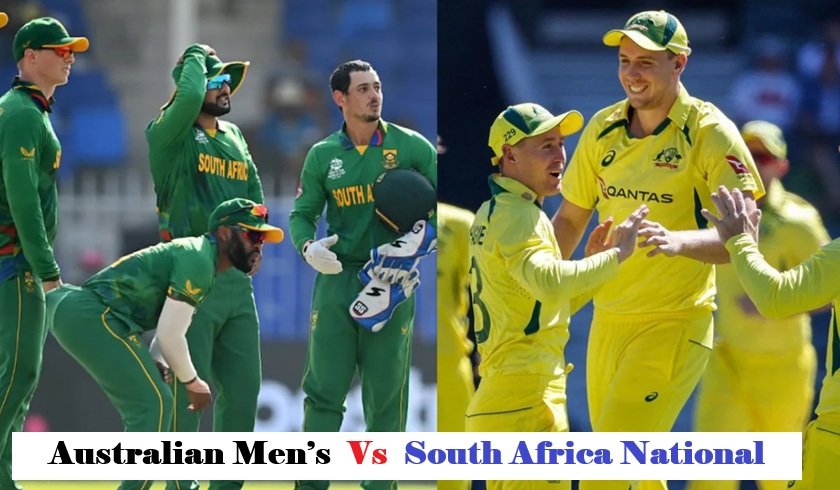
Due to apartheid rules, South Africa was not allowed to play international cricket from the early 1970s until 1991. This meant that South Africa and Australia didn’t play any formal matches for almost twenty years. During this time, Australia kept playing and getting better, but South Africa’s players couldn’t compete at the highest level.
This long interval made a break in the timeline that had a big effect. When South Africa came back to international cricket, they had to start over nearly from begin with the rivalry. But the lack of it also made people look forward to it. Fans of cricket all across the world were excited to watch how South Africa would do against elite teams like Australia when they came back.
The Historic Return and the 1990s
The rivalry took a new turn when South Africa came back to international cricket in 1991. One of the first big events after the comeback was South Africa’s trip to Australia in the early 1990s. These games were more than just a sporting event; they also marked South Africa’s return to the world of cricket.
The two sides played some of the most intense cricket in the 1990s. South Africa immediately showed that they were no longer the underdogs. Hansie Cronje, Allan Donald, Jonty Rhodes, and Shaun Pollock were among of the players who provided aggression, talent, and athleticism to the club. Mark Waugh, Steve Waugh, Shane Warne, and Glenn McGrath were some of the greats that played for Australia.
This decade turned the rivalry into a real struggle between equals. Matches were very intense, full of emotion, and often decided by very small margins.
Important Test Series That Set the Rivalry
Test cricket has always been the most essential means to tell the story of South Africa vs. Australia. There are a few Test series that stand out as important.
In the middle to late 1990s, South Africa went to Australia and won a Test match, which was quite rare for teams at the time. This was one of the most memorable occasions. This win made South Africa one among the few teams that could beat Australia on their own turf.
Test series played in South Africa were also known for being very competitive. Australia had a hard time touring because the pitches were fast and bouncy and the crowds were very excited. These series generally finished with close scores, which showed that the sides were evenly matched.
One Day Internationals and the Rise of Modern Rivalry
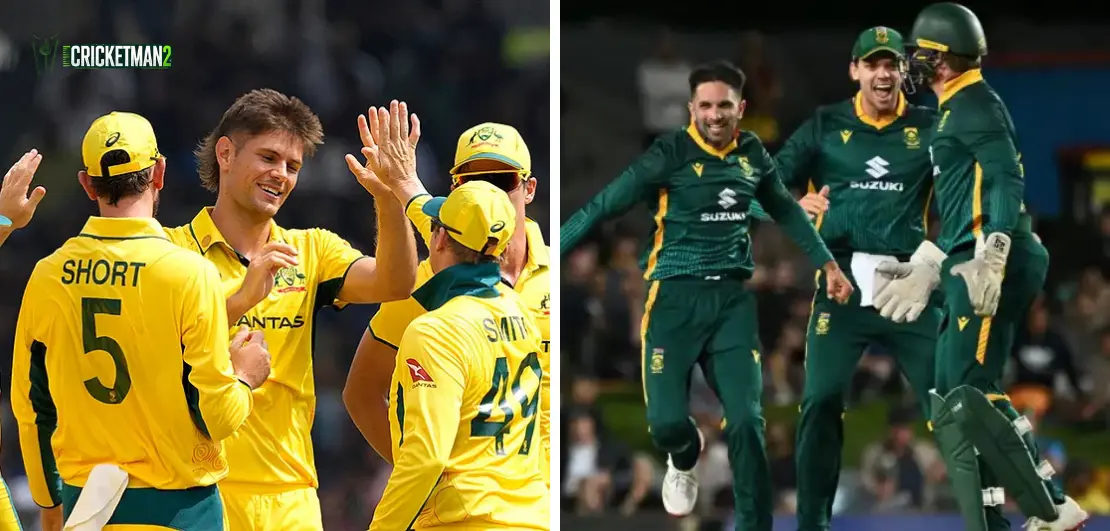
Test cricket was the main part of the rivalry, but One Day Internationals introduced something fresh. The 1999 Cricket World Cup semifinal was the most famous ODI occasion between South Africa and Australia. People generally say that this match was one of the best ODIs ever played.
Because they had a better net run rate, Australia moved on to the final after a thrilling draw in the semifinal. It was a sad time for South Africa that will always be remembered in their cricket history. It helped Australia keep their image as a side that does well under duress.
ODI series between South Africa and Australia were very close in the 2000s. Another important occasion was South Africa’s historic run chase of 438 runs against Australia in 2006. This game changed what people thought was possible in ODI cricket and is still one of the most talked-about games in the format’s history.
A Quick Look at the Main Formats
The table below gives a simple summary of how the competition grew over time in different formats.
| Format | First Match | Nature of Rivalry | Overall Trend |
|---|---|---|---|
| Test Cricket | 1902 | Long-term, intense, skill-based | Highly competitive |
| One Day Internationals | 1992 | Fast-paced, dramatic encounters | Balanced rivalry |
| T20 Internationals | 2005 | Short, aggressive contests | Evenly matched |
This table shows readers how each format affected the rivalry’s overall timeframe in different ways.
The 2000s: The Most Competitive Years
People generally say that the South Africa vs. Australia rivalry was at its best in the early and middle 2000s. Both teams were among the best in the world and often ranked at the top of international lists.
Australia was the best team in the world at this time, but South Africa always gave them a run for their money. The test series were hard, the ODI matches were exciting, and the individual performances from both teams made the show even better. People said that games during this time had high levels of sportsmanship and hard rivalry.
This time also saw the rivalry grow. It was no longer simply about winning games; it was also about keeping up with pride, consistency, and brilliance.
The Beginning of T20 Cricket

The start of T20 Internationals adds a new chapter to the timeline. Even though there aren’t as many T20 games between South Africa and Australia as there are Tests and ODIs, they are still important.
The competition is less predictable in T20 cricket. Both teams have strong hitters and excellent bowlers who are good at shorter games. These games are generally practice for big ICC events, and they provide young players a chance to shine.
T20 cricket doesn’t define the rivalry as strongly as Test or ODI cricket does yet, but it keeps adding fresh moments and memories.
Recent Years and New Developments
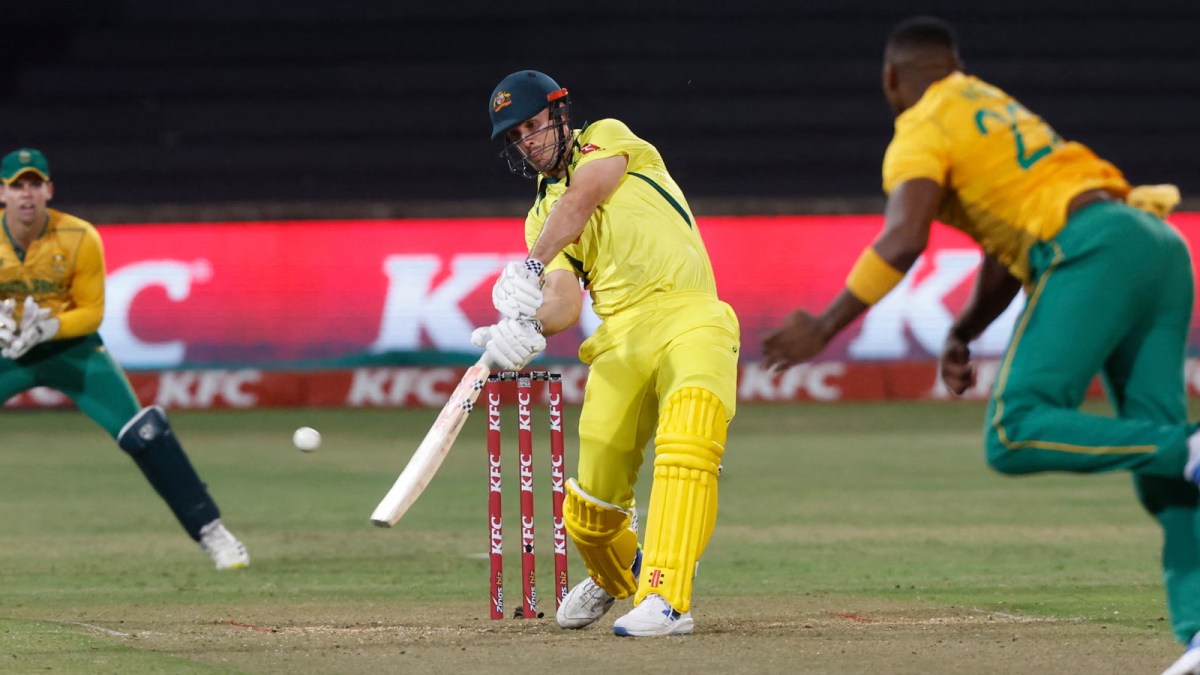
The rivalry has persisted in recent years with a mix of experienced players and new ones. South Africa has had to rebuild at different times, while Australia has brought in new generations to take the place of heroes who have retired.
Even though the teams have changed over time, their matchups are still competitive. Test series are still hard-fought, and limited-overs games are still popular around the world. The competition has changed to meet modern cricket, which includes new strategy, data analysis, and fitness standards.
The timeline from the last few years shows that the world of cricket is more balanced now, with no one side being on top for very long.
Cultural and Competitive Importance
The rivalry between South Africa and Australia is important to both cultures, not just their sports. It stands for strength, fair play, and respect for others. Discipline, fitness, and mental toughness are important to both sides, and this is often shown in the quality of their matches.
Fans from both countries see this rivalry as a standard. A team is typically thought to be good and ready for global competition if they play well against another squad.
Conclusion
The history of the rivalry between the South African and Australian men’s cricket teams is long, complicated, and deeply established in cricket history. This rivalry has changed over time, from early fights in the 1900s to modern-day confrontations in all formats. However, it has always been quite intense.
Test cricket set the stage, One Day Internationals added drama and memorable moments, and T20 Internationals gave the game a modern touch. Players, conditions, and formats have changed over the years, but the competitive spirit has stayed the same.
Read More:- India vs Pakistan Cricket Timeline: Historic Rivalry


 "South Africa vs India: A Complete Rivalry Timeline")